

Goats still roam Nyamira’s streets as town races toward modernity

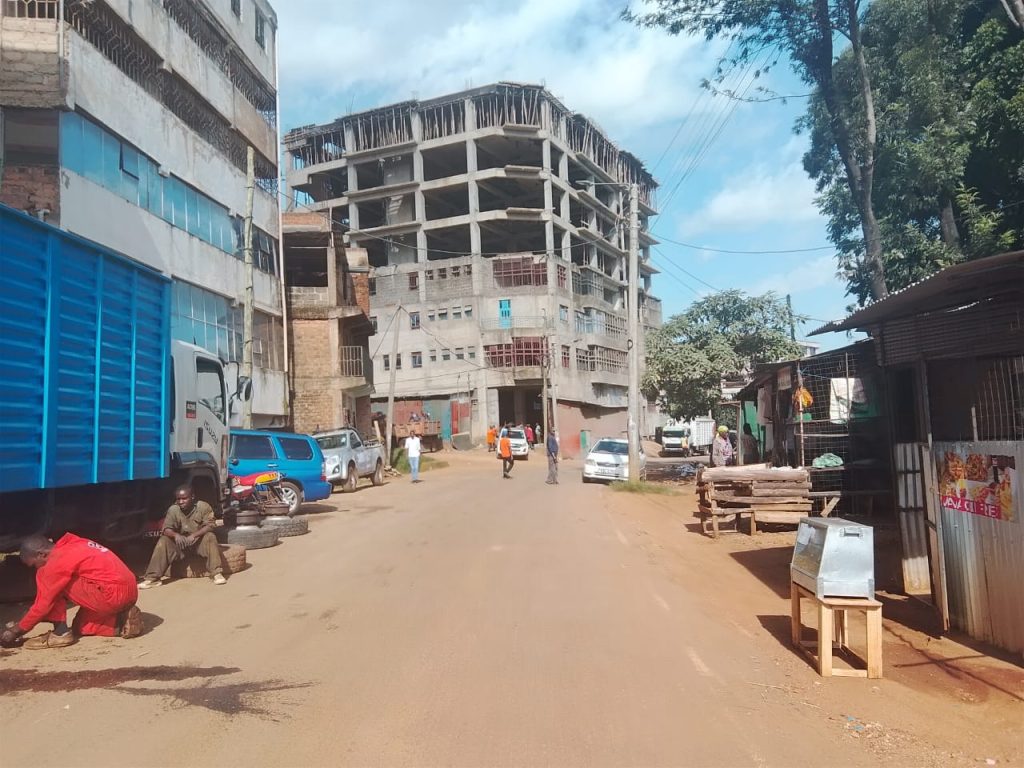
At 2 pm, a few goats lazily browse along the streets of Nyamira town.
In hidden backstreets, peasant farmers freely feed cows in large troughs outside their shops. At the same time, along the road connecting the matatu terminus to Nyaigwa Girls, a resident chases chickens to keep them from being run over by speeding boda bodas.
The scenes reflect a rural lifestyle that still survives within the growing county headquarters, offering a glimpse into the town’s deep agricultural roots.
Yet beneath that traditional appearance, Nyamira is steadily transforming into a vibrant urban centre marked by expanding businesses, new buildings and rising economic activity.
For many residents, the occasional sight of livestock roaming near the town centre does not symbolise backwardness, but rather a community balancing its rural heritage with modern ambitions.
“It is a stubborn cultural heritage that persists among some people who have refused to accept that urbanism is slowly replacing the rural life that existed before,” said John Asande, a shop owner.
Over the last decade, the town has experienced rapid growth driven by trade, agriculture and infrastructure development.
Courtesy of devolution, multi-storey commercial buildings now rise above streets once dominated by wooden kiosks and ageing iron-sheet structures.
A spot check shows supermarkets, pharmacies, banks, hotels and hardware stores steadily expanding as investors increasingly turn their attention to the region.
The streets are busier than ever, and the matatu terminus is struggling to accommodate growing traffic volumes.
Today, boda bodas weave through traffic carrying passengers and goods, while matatus ferry commuters to and from neighbouring villages and towns from dawn until late evening.
George Moseti, a matatu owner, says the town’s economic growth has transformed livelihoods and created opportunities for residents.
“Nyamira used to be very quiet, especially in the evenings,” he said. “Today there is movement almost throughout the day because businesses are growing and more people are coming into town.”
Agriculture remains the backbone of the local economy.
Farmers from surrounding villages supply bananas, vegetables, milk, tea and other produce to traders within the town daily.
Some residents still maintain kitchen gardens and livestock within residential areas despite increasing urbanisation.
They say the coexistence between rural culture and urban growth is what makes Nyamira unique.
“You can buy fresh milk from someone keeping cows behind a building and then walk into a modern supermarket a few metres away,” said Mary Moraa, a high school teacher.
“The town is modernising, but it still carries its village identity,” she added.
Rigoma MCA Nyambega Gisesa says the county leadership is committed to transforming urban centres into modern and attractive towns capable of supporting growing populations and investment opportunities.
“We want our municipality towns to reflect growth and modernity. Residents should expect improved roads, better drainage systems, street lighting and cleaner markets,” said Gisesa.
The rapid urbanisation has increased pressure on existing infrastructure, making it necessary for the county government to invest heavily in upgrading towns and improving service delivery.
“Our youths and traders deserve towns that can support businesses and create employment opportunities. Development of municipalities is key to economic growth,” he said.
County Governor Amos Nyaribo says plans are underway to modernise the municipality further through improved drainage systems, road upgrades and better sanitation services.
Despite the town’s rural outlook, significant progress has already been made in improving roads, drainage systems, street lighting and sanitation, according to Nyaribo.
“We are especially investing heavily in infrastructure and public facilities to create a clean, secure and business-friendly environment,” he said.
President William Ruto has also promised to fund 20 kilometres of backstreet roads within the town.
Nyaribo says his administration has prioritised upgrading key roads to ease movement and open up business opportunities for traders and investors.
The installation of street lights has enhanced security and boosted nightlife businesses, while improved drainage systems are helping control flooding during rainy seasons.
“We want Nyamira to compete favourably with other growing towns in the country. Development is visible and residents can already see the difference,” he said.
Real estate development has also accelerated, with new residential apartments and rental houses emerging in response to a growing population.
Though traces of rural life still linger in parts of the municipality, Nyamira town is steadily shedding the image of a sleepy countryside centre and positioning itself as one of the region’s promising urban and commercial hubs.

