

Government more than doubles domestic borrowing to Sh138.25 billion in July

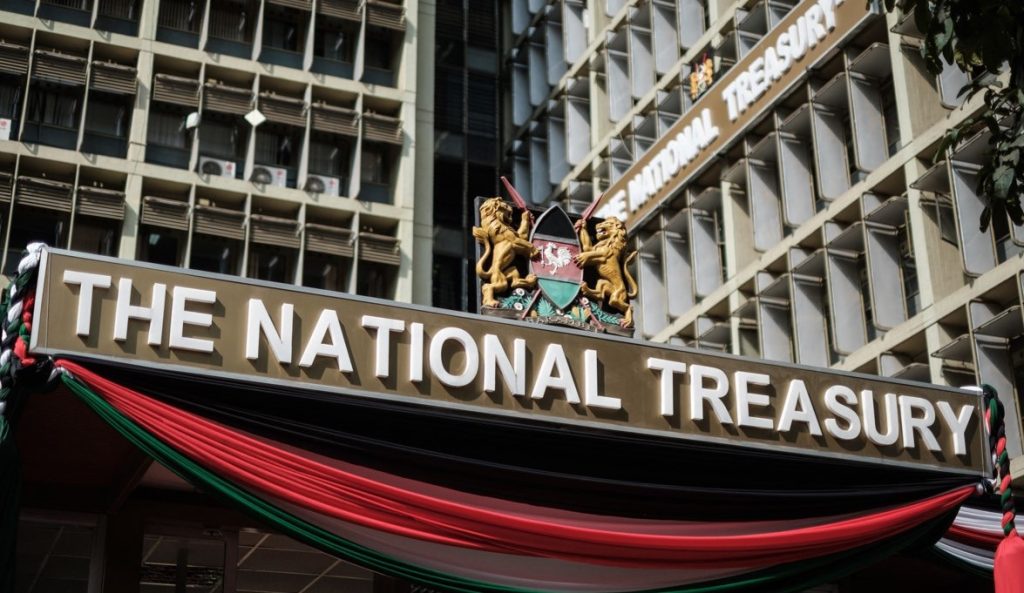
The Kenyan government more than doubled its domestic borrowing in July, raising Sh138.25 billion from the local market as it began implementing the 2026/27 financial year budget.
The latest National Treasury fiscal outturn shows that the amount borrowed in July was 105.5 percent higher than the Sh67.26 billion raised during the same month last year.
The increased borrowing came as the government sought to finance its expenditure needs and meet debt obligations amid continued pressure on public finances.
Public debt service amounted to Sh113.75 billion during the month, highlighting the significant amount of government revenue being directed towards servicing existing debt.
The Sh138.25 billion raised in July represents about 15 percent of the government’s full-year net domestic financing target of Sh918.1 billion.
Treasury has set a total fiscal financing requirement of Sh1.02 trillion for the 2026/27 financial year, with domestic borrowing expected to provide a significant share of the funding.
However, borrowing is unlikely to remain at July’s level throughout the financial year. The amount raised each month is expected to vary depending on government cash requirements, debt maturities and the timing of Treasury bond and bill issuances.
The government plans to rely mainly on short-term Treasury bills to manage cash-flow requirements, while longer-term Treasury bonds and infrastructure bonds will be used to finance its broader budgetary needs.
The increased reliance on the domestic market is likely to keep the government as a major borrower within Kenya’s financial system.
Heavy domestic borrowing can affect liquidity in the banking system and influence interest rates, while also potentially reducing the amount of credit available to businesses and households.
The government is seeking to deepen the domestic debt market as part of its borrowing strategy.
Treasury plans to introduce a pilot market-making framework and an electronic over-the-counter trading platform. It also intends to reopen existing bonds to improve liquidity and trading activity in the government securities market.
The government is further exploring alternative sources of financing to diversify its funding options.
These include sovereign bonds, Samurai bonds, Sukuk, sustainability-linked bonds and diaspora bonds.
The higher domestic borrowing came despite an improvement in government revenue collection during July.
Tax collections increased by 13.85 percent year-on-year to Sh195.30 billion, providing additional resources to support government operations.
Recurrent expenditure stood at Sh142.81 billion during the month, while development spending amounted to Sh29.33 billion.
Counties also received Sh21.4 billion through the equitable share allocation.
The borrowing figures come against the backdrop of continued pressure from high public debt-servicing costs and large debt maturities.

