


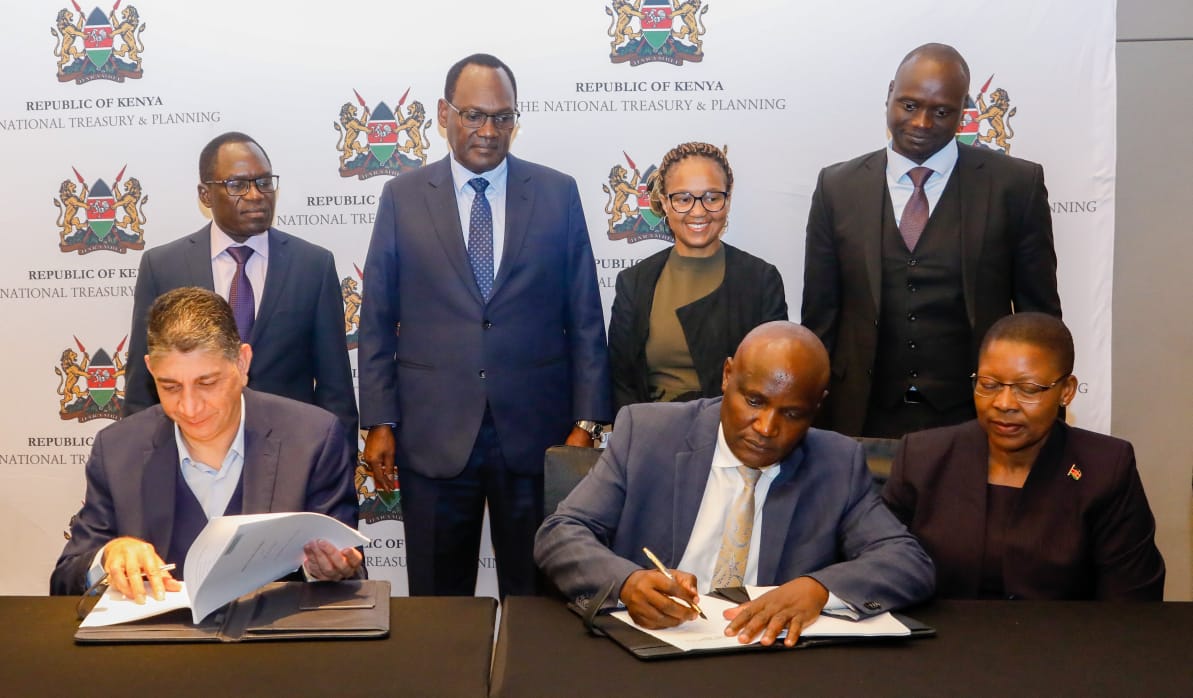
As Vodacom moves to acquire additional shares in Safaricom, the Government of Kenya (GOK) has secured strict undertakings aimed at safeguarding national interests. These conditions accompany the deal under which Vodacom will become a majority stakeholder in Kenya’s largest telecom operator.
Under the agreement, Vodacom must commit that:
1. No major layoffs — There shall be no redundancies of staff, except in the ordinary course of business.
2. Foundations must be preserved – The existing charitable organisations Safaricom Foundation and M-Pesa Foundation must continue to operate, with full support from Vodacom.
3. Government consultation for expansion — Any new expansion outside Kenya (excluding existing foreign operations) must be preceded by consultation with the Government.
4. Top leadership remains Kenyan — The Chairman and Chief Executive Officer of Safaricom must remain citizens of Kenya at all times.
5. Executive committee stability — No changes to the executive committee (as constituted at the deal’s signing date) shall be made without consent from the Chief Executive Officer.
6. Safaricom brand stays intact — The Safaricom corporate brand — including its name, logos, trademarks and associated branding — must not be changed.
7. Local supply chain protection — For at least three years following the transaction, there should be no “significant changes” to Safaricom’s local suppliers, except in the ordinary course of business.
8. Foundations’ trustees and funding remain Kenyan — All trustees of the Safaricom Foundation, M-Pesa Foundation or any future foundations set up by the company must be Kenyan citizens, and all foundation funds must be used exclusively for projects within Kenya.
9. Government consent for major decisions — Any action or decision relating to the above conditions shall not be undertaken without prior written consent from the Government of Kenya.
What this means
The conditions underscore the government’s intent to retain influence over key aspects of Safaricom’s operations — even after relinquishing a portion of its shareholding.
In particular, the safeguards around leadership nationality, brand integrity, local supplier protection, and foundation activity signal a bid to preserve aspects of national identity, corporate culture, and local economic support.
The deal — which will see Vodacom own 55% of Safaricom after acquiring 15% from the government and 5% from parent firm Vodafone Group — still awaits regulatory and statutory approvals before completion.
Stakeholders argue that these conditions could influence how quickly Vodacom executes strategic shifts, especially outside Kenya, while enabling the government to safeguard socio-economic and governance interests tied to Safaricom’s wide customer base and foundational social programmes.
The restructuring forms part of a broader privatisation and capital-mobilisation effort by the government — with proceeds from the divestiture expected to support infrastructure investments and reduce fiscal burden.
Email your news TIPS to Editor@Kahawatungu.com — this is our only official communication channel
