

Government Targets Sh1.42 Billion Annually from Reintroduced Tea Export Levy

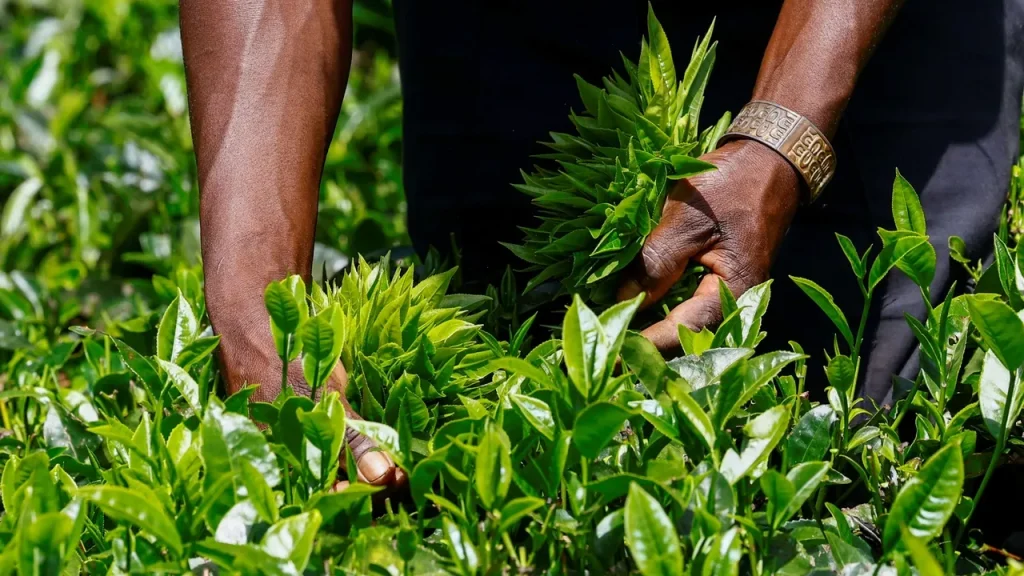
The Ministry of Agriculture is projecting annual revenue of Sh1.42 billion from the reintroduction of tea export and import levies under the proposed Tea Levy Regulations, 2026.
The new regulations are expected to generate approximately Sh1.38 billion from tea export levies and an additional Sh40 million from tea import levies, significantly boosting funding for the country’s tea sector.
According to projections based on 2023 export data, Kenya exported 522.92 million kilogrammes of tea valued at Sh180.57 billion, providing the basis for the anticipated collections.
“Based on 2023 export data, the levy is projected to generate approximately Sh1.38 billion from export levy and Sh40 million from import levy, totaling Sh1.42 billion per annum,” the report states.
The Tea Levy Regulations, 2026, reintroduce a statutory levy under Section 53 of the Tea Act, 2020. Under the proposed framework, tea exporters will pay a levy equivalent to 0.8 per cent of the auction value or customs value for direct sales, while tea importers will be charged a levy equivalent to 100 per cent of the import value for every consignment of made tea.
The Ministry of Agriculture says the levy is intended to establish a sustainable, industry-funded mechanism to support investment in research, marketing, infrastructure development, and farmer income protection.
Under the proposed revenue-sharing formula, Sh710 million will be allocated to the Farmers Price Stabilization Fund to cushion growers against market fluctuations. A further Sh284 million will go towards tea research activities, while the Tea Board of Kenya (TBK) will receive Sh213 million to support its operations.
County governments are also set to benefit, with another Sh213 million earmarked for infrastructure development in tea-growing regions.
The ministry argues that the reintroduction of the levy will strengthen the long-term sustainability and competitiveness of Kenya’s tea industry, which remains one of the country’s leading foreign exchange earners.
In addition, officials say the proposed 100 per cent import levy is aimed at protecting local tea producers from an influx of cheap and low-quality imported tea, particularly from neighbouring countries, which they argue poses a threat to the domestic market and farmer earnings.
The proposed regulations form part of ongoing reforms in the tea sector aimed at enhancing value addition, improving farmer returns, and strengthening institutional support for one of Kenya’s most important agricultural exports.

