

Govt Assures Parliament of Water Security as Oil Production Plans Advance in Turkana

The Ministry of Water and Sanitation has assured Parliament that enough safeguards have been put in place to protect water resources in Turkana and West Pokot counties as Kenya prepares to begin oil production in the South Lokichar Basin.
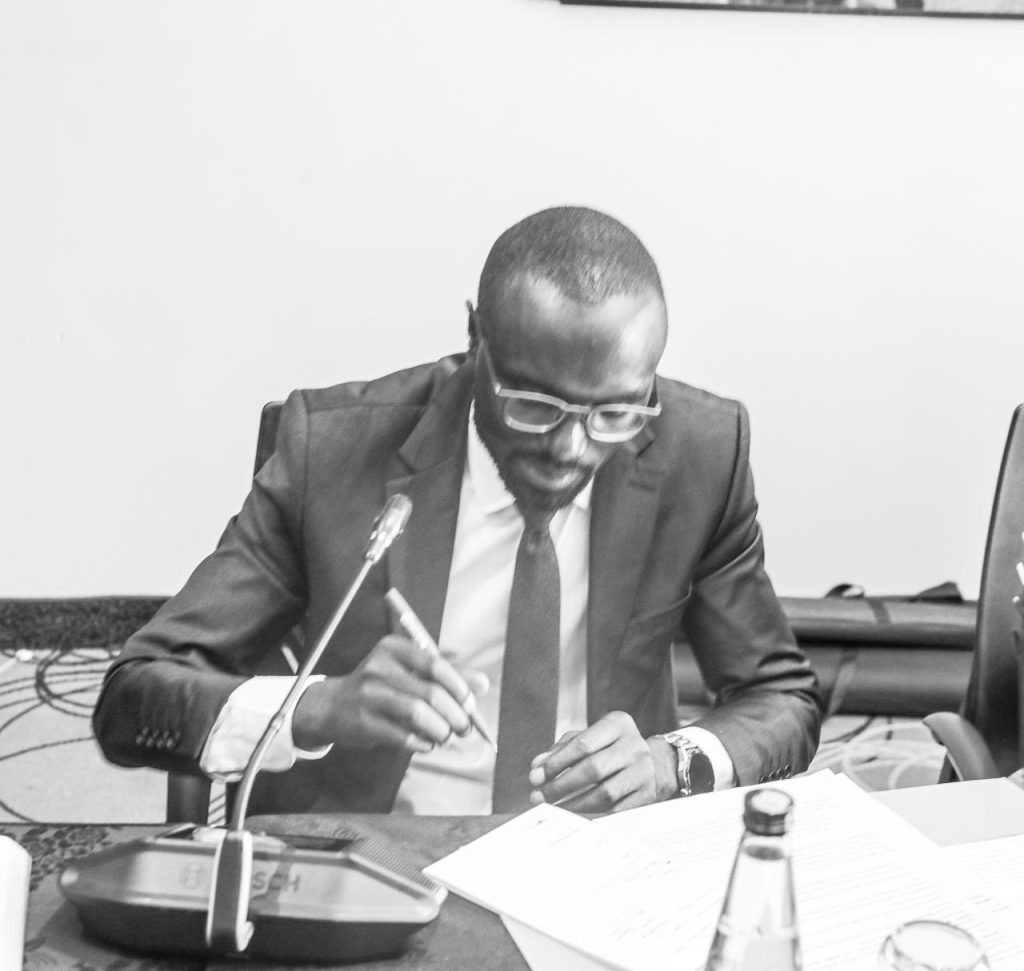
Water and Sanitation Cabinet Secretary Eng. Eric Murithi Mugaa appeared before a Joint Committee of the National Assembly and Senate on Energy during discussions on the Field Development Plan and Production Sharing Contracts for oil Blocks T6 and T7.
The CS told lawmakers that the government has developed a major bulk water supply plan centred on Turkwel Dam. Preliminary designs for key water infrastructure along the Turkwel–Lokichar corridor have already been completed.
The project will include water intake and pumping facilities at Turkwel Dam with the capacity to abstract up to 407,470 cubic metres of water per day. A 105-kilometre pipeline will transport raw water to the Lokichar oil fields, while a treatment plant at Riting will have the capacity to treat 62,616 cubic metres of water daily.
According to the Ministry, about 16,534 cubic metres of water per day will be supplied directly for oil production. This is expected to reduce reliance on underground water sources. Treated water will also be supplied to Lodwar Municipality and at least 15 communities along the corridor for domestic, institutional and commercial use.
The government also plans to develop the proposed Lower Turkwel Irrigation Scheme covering about 10,000 acres downstream of the dam. The irrigation project will require about 328,000 cubic metres of water per day and is aimed at improving food security, supporting growing settlements linked to oil activities and boosting the regional economy.
The Ministry confirmed that the project received environmental approval from the National Environment Management Authority in January 2025 after an Environmental Impact Assessment.
On the issue of water tariffs, the CS said no bulk water pricing framework has been approved yet. However, he assured Parliament that operation and maintenance costs will be recovered through commercial water sales to industries, including oil companies. The North Rift Valley Water Works Development Agency will manage the bulk infrastructure and collect water tariffs from oil operators and licensed water service providers.
To promote transparency, the agency will use automated monitoring systems, including modern control technology, and set up technical and financial oversight teams. Licensed county water service providers will handle distribution and customer management.
The Ministry also addressed concerns that increased water use could affect local communities. Officials said water abstraction will only take place when dam levels are above 1,107 metres above sea level to protect hydropower generation and ensure long-term sustainability.
Additional projects aimed at strengthening water security in the region include the proposed Sigor Dam and Siyoi Murunyi Dam in West Pokot, as well as Lowaat Dam in Turkana.
Officials noted that Turkwel Dam has a storage capacity of 1.64 billion cubic metres and has in the past been underused, sometimes contributing to flooding. The new plan aims to ensure better and sustainable use of the dam while preventing environmental and social risks.
The CS added that climate change and drought risks have been considered in the project design. Conservation efforts under the national 15 Billion Trees Initiative will include reforestation, land restoration and soil conservation in Turkana and West Pokot.
The water project is part of the wider plan to develop six oil discoveries in the South Lokichar Basin as the government moves to operationalise Kenya’s oil production while protecting community interests and natural resources.