

Govt To Spend Sh800 Million On New Disability Registration Tool

The government plans to introduce a new national disability registration tool, expected to cost Sh800 million, in a move to improve how it counts and supports persons with disabilities in Kenya.
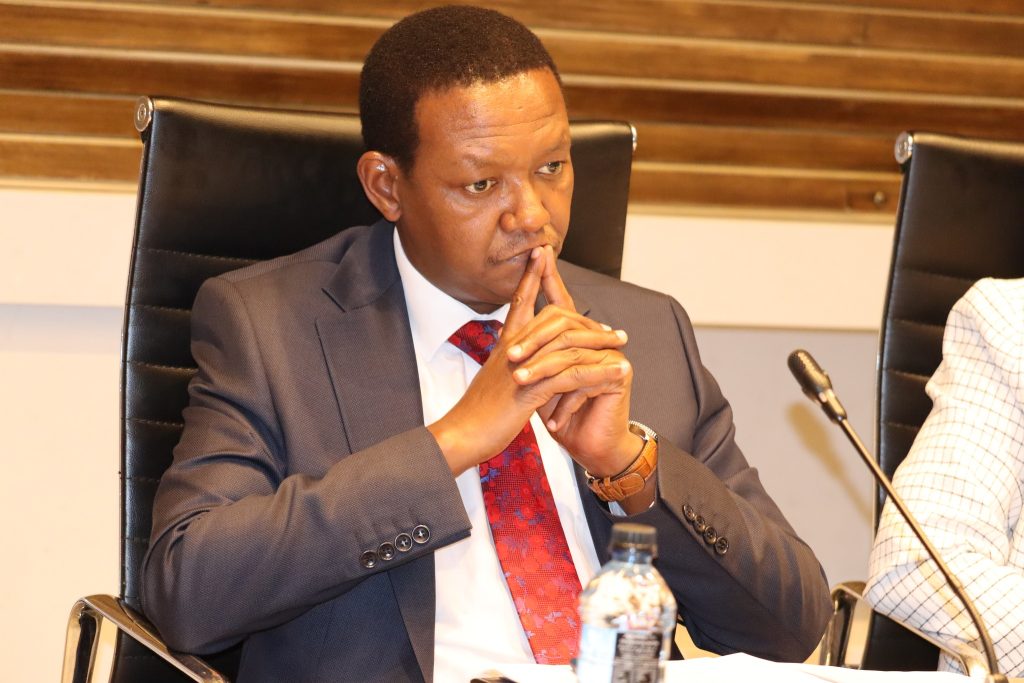
Labour and Social Protection Cabinet Secretary Dr. Alfred Mutua made the announcement on Friday, May 2, 2025, during a meeting with the Senate Committee on Labour and Social Welfare, chaired by West Pokot Senator Julius Murgor.
The meeting was convened to respond to a statement by committee vice-chairperson Senator Crystal Asige, who had strongly criticized the government for failing to accurately include persons with disabilities (PWDs) in the 2019 national census.
“If we are not counted, we do not count,” Sen. Asige said, highlighting how poor data continues to leave many PWDs out of national planning and development programmes.
Dr. Mutua acknowledged that the tools used in the past census were inadequate. He explained that census officers had used the Washington Group Short Set of Questions, which failed to capture children under five years and left out certain types of disabilities. He said the Ministry would now reform registration tools and conduct a dedicated disability census tailored to Kenya’s unique social and cultural context.
However, Senator Asige rejected the continued use of the Washington Group tool, insisting Kenya needed to design its own system that reflects the lived realities of local communities.
Digital Shift in Inua Jamii Programme Faces Hurdles
The meeting also discussed the government’s Inua Jamii cash transfer programme, which supports vulnerable groups such as the elderly and persons with disabilities. The programme has recently been moved to the e-Citizen digital platform.
Kirinyaga Senator James Murango questioned whether this digital shift, though efficient, was locking out the very people it aimed to help. In response, Dr. Mutua admitted there were teething problems during the rollout. Some beneficiaries had trouble verifying their identities, while others lost part of their payments to mobile loan deductions.
Despite these challenges, the Ministry reported saving over Sh1.8 billion in annual bank fees. However, concerns remain over the programme’s accessibility. Senator Asige raised alarms over cases of caregivers misusing funds meant for the elderly or disabled and called for stronger accountability systems.
The committee also revisited claims of abuse at the PCEA Thogoto Care Home for the elderly, a matter raised by Senator Hamida Kibwana. Senator Seki Lenku of Kajiado said Dr. Mutua’s response was incomplete and demanded a full report within a week. The report is expected to detail each allegation and the Ministry’s findings.
During the same session, Dr. Mutua unveiled the draft Older Persons Bill, 2024, which he said would turn Article 57 of the Constitution into enforceable law. The Bill aims to set national standards for elder care, define what constitutes elder abuse, and outline penalties for offenders. It will also align with the upcoming Social Protection Bill. Dr. Mutua admitted that a lack of a proper legal framework had for years left many older Kenyans vulnerable to abuse, neglect, and exploitation.
Underfunding Cripples Children Welfare Services
The new Principal Secretary for Children Welfare Services, Carren Ageng’o, made her first appearance before the Senate during the meeting. She painted a bleak picture of her department, which is severely underfunded and understaffed.
The department requested Sh5.78 billion but was only allocated Sh1.87 billion. With just over 1,000 staff tasked with protecting children across the country, Ageng’o warned that their efforts were being stretched thin.
Still, she outlined ambitious reforms. These include creating specialized units for child protection, family care, and online safety. She emphasized the government’s push to transition children from institutional care to family-based care, revealing that up to 90% of children in homes could be reintegrated with their families if given the right support.
Ageng’o also noted that new regulations under the Children’s Act, 2022, were being finalized. These will set clearer standards for institutions and ensure greater oversight. However, she warned that new threats like online sexual exploitation and child trafficking were growing rapidly, and current efforts to combat them were not enough.
Nominated Senator Beth Syengo raised a deeply troubling issue—wealthy individuals using children with disabilities to collect money on the streets. She claimed these children were dropped off daily and picked up later by unknown persons.
She asked whether the government was doing enough to end this cycle of exploitation. A Ministry director responded by confirming that the problem included both Kenyan and Tanzanian children. A past attempt to repatriate some of them, he said, led to diplomatic tensions.
Despite efforts by immigration and police officers, weak enforcement and legal loopholes mean that rescued children often return to the streets shortly after intervention.
Across the board, lawmakers agreed that solving these deep-rooted issues will require more than policies and laws. Strong political commitment, cross-border cooperation, better data, and increased funding were all cited as necessary ingredients for lasting change.