

Gregg Allman Siblings: Getting to Know Howard Duane Allman

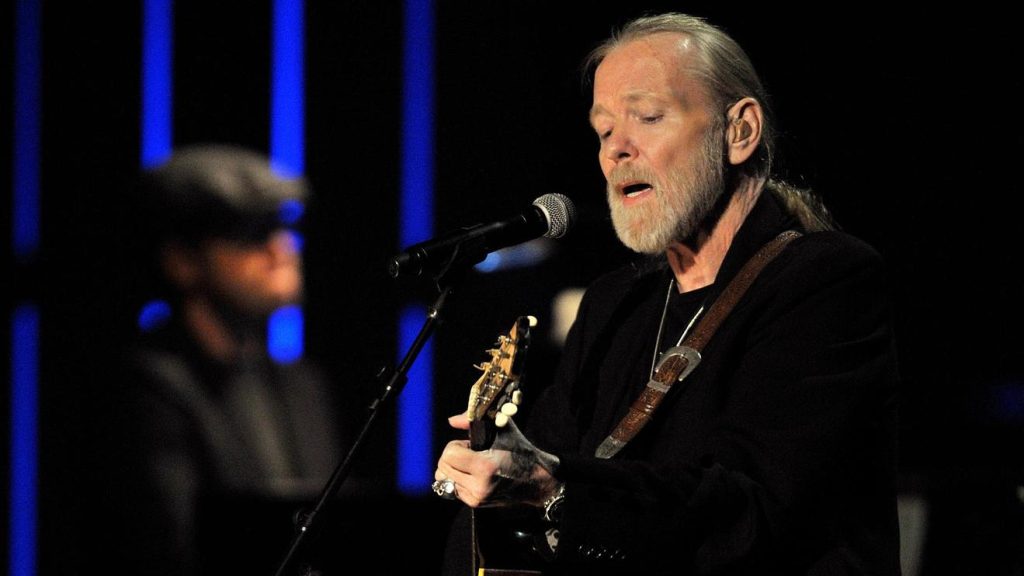
Gregg Allman PHOTO/Variety
Gregory LeNoir Allman, known professionally as Gregg Allman, was an influential American musician, singer, and songwriter.
Born on December 8, 1947, in Nashville, Tennessee, Allman grew up in a musical environment that profoundly shaped his artistic path.
His early years were marked by tragedy when his father, Willis Allman, was murdered in 1949, leaving his mother, Geraldine, to raise him and his sibling alone.
The family relocated multiple times, from Nashville to Daytona Beach, Florida, in 1959, and later to Macon, Georgia, where Allman would eventually establish his career base.
Allman passed away on May 27, 2017, at the age of 69 in Savannah, Georgia, after a long battle with health issues, including liver disease that necessitated a transplant.
Siblings
Gregg’s most significant familial bond was with his older brother, Howard Duane Allman, born on November 20, 1946, just over a year before Gregg.
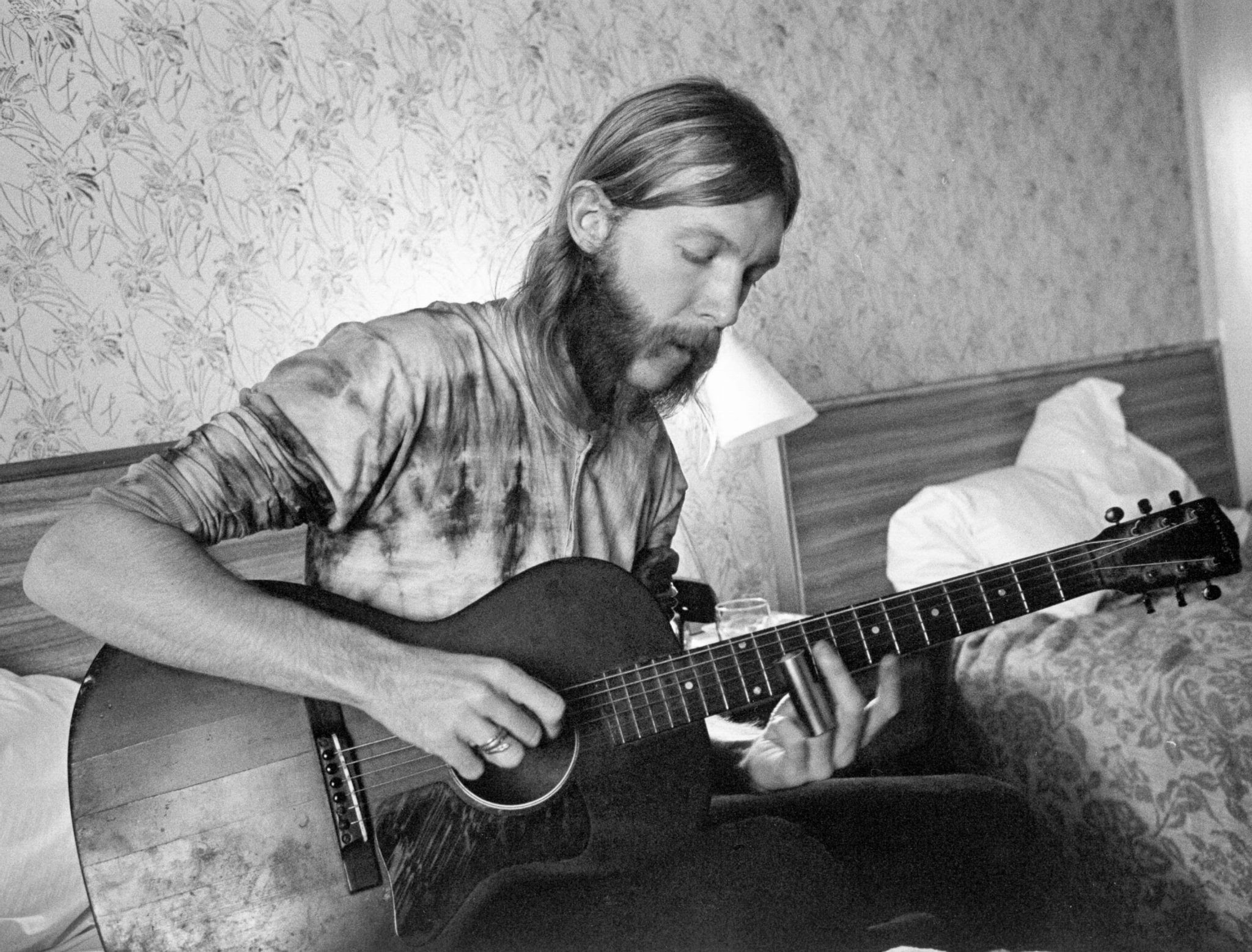
Duane, a legendary guitarist, shared a deep creative partnership with Gregg, and the two were inseparable from childhood, bonding over their love of rhythm and blues broadcast on late-night radio from stations like Nashville’s WLAC.
Raised by their widowed mother, the brothers navigated a turbulent upbringing together, attending military school and forming their first band, The Misfits, as teenagers in a YMCA youth group.
This sibling collaboration culminated in the formation of the Allman Brothers Band in 1969, a group that became synonymous with their intertwined legacies.
Tragically, Duane died in a motorcycle accident on October 29, 1971, at the age of 24, an event that profoundly impacted Gregg and the band’s trajectory.
Also Read: Brian Wilson Siblings: All About Dennis and Carl Wilson

Career
Allman’s career ignited in the late 1960s when he and Duane co-founded the Allman Brothers Band in Jacksonville, Florida, blending blues, rock, jazz, and country into a groundbreaking Southern rock sound.
The band’s breakthrough came with their 1971 live album At Fillmore East, which captured their improvisational prowess and propelled them to mainstream fame, though it was overshadowed by Duane’s untimely death shortly after its release.
Gregg continued as the band’s lead vocalist and keyboardist, navigating lineup changes, internal conflicts, and the 1973 death of bassist Berry Oakley in another motorcycle crash, yet steering the group through decades of intermittent success, including a major revival in the 1990s.
Beyond the band, Allman pursued a prolific solo career starting in 1973 with his debut album Laid Back, which showcased his interpretive prowess on blues standards and originals infused with his distinctive gravelly timbre.
Over the years, he released seven solo studio albums, including the critically acclaimed Low Country Blues in 2011, and collaborated with artists across genres.
His work extended to acting, with appearances in films like Rush (1991), and he chronicled his tumultuous life in the 2012 memoir My Cross to Bear.
Allman’s enduring influence lay in his ability to channel raw emotion through music, making him a cornerstone of American roots rock until his final performances in 2016.
Accolades
Allman’s contributions to music earned him widespread recognition, most notably his 1995 induction into the Rock and Roll Hall of Fame as a founding member of the Allman Brothers Band, honoring the group’s pioneering role in fusing rock with Southern traditions.
He received a Grammy Award nomination for Best Blues Album in 2012 for Low Country Blues, affirming his solo prowess in the genre he helped popularize.
The band itself garnered multiple accolades, including induction into the Grammy Lifetime Achievement Award in 2012, while Allman’s compositional talents shone through hits like “Midnight Rider” and “Melissa,” which became enduring classics.

