

Group sues over usage of pesticide in Kenya

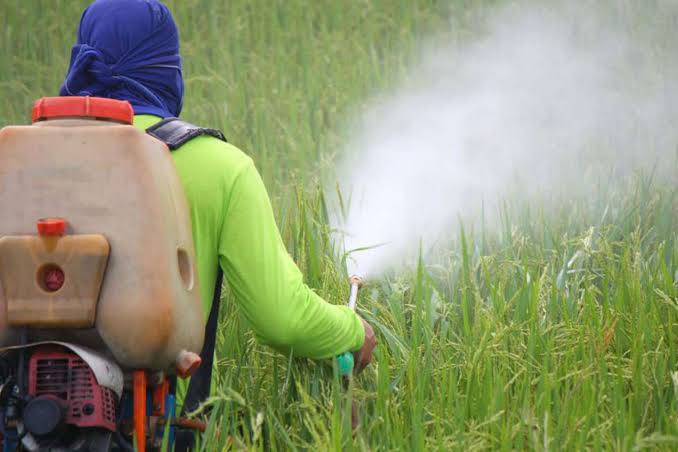
The African Centre for Corrective and Preventive Action and activist Kelvin Mugambi Kubai moved to court seeking a ban on several widely used pesticides and herbicides, claiming they endanger the health of Kenyans and the environment.
In a petition filed at the Environment and Land Court in Nanyuki, the petitioners argue that chemicals including glyphosate, paraquat, imidacloprid, clothianidin, fipronil, chlorpyrifos, thiacloprid, thiamethoxam, fenitrothion, malathion and dinotefuran are “defective, dangerous to human health, harmful to bees, and unfit for use.”
They accused multinational agrochemical companies, local distributors, regulatory bodies and government ministries of violating Kenyans’ constitutional rights to health, life, food safety and a clean environment.
The petition argued that Articles 42 on the right to a clean and healthy environment, Article 46 on consumer rights, and Article 26 on the right to life have been violated.
The petitioners claimed that Kenyan horticultural produce has been rejected in the European Union and Norway due to excessive pesticide residues, citing recent cases involving tomatoes, kales, and avocados.
They added that farmers and consumers are rarely provided with protective gear or adequate warnings on the risks associated with the chemicals.
They argued that studies link glyphosate and paraquat to carcinogenicity and organ damage.
“The respondents have failed to warn and instruct consumers about the risk of cancer, neurological disorders, and reproductive harm linked to these pesticides,” the petition stated.
The NGOs also warned of ecological damage, including the collapse of bee populations, contamination of honey, and harm to aquatic life.
They said safer alternatives such as neem, chilli, garlic extracts, and other bio-pesticides exist and have been proven effective.
The petitioners wanted the court to declare the chemicals unlawful, compel companies like Monsanto, Syngenta, Bayer, BASF and Twiga Chemicals to stop distribution, and order government agencies to regulate pesticide use more strictly.
They were also seeking compensation for victims already harmed by the products.
“That the Honourable Court be pleased to issue a declaration that the 1st Respondent publish and updates a list of all chemical products banned within other jurisdictions to enable Kenyan Consumers and farmers form well informed decisions as enshrined under Article 46 (1) (b) and (c) of the Constitution of Kenya 2010,” read the court documents.
The petitioners sued the Agrochemicals association of Kenya, Monsanto Kenya Ltd, Syngenta East Africa ltd, Bayer East Africa, Basf East Africa, Twiga chemicals industries ltd, pest control products board, ministry of agriculture, Agriculture and food authority, Kenya plant health inspectorate service, ministry of health, the council of governors, the Kenya consumers protection advisory committee and the Attorney general.
The Kenya Plantation and Agricultural Workers Union has been listed as an interested party in the case.

