

Halloween Unmasked: Origins, Traditions, And Modern-Day Celebrations Of The Spookiest Night Of The Year
Halloween, celebrated annually on October 31, has grown into one of the most widely observed and culturally rich holidays around the world. Known for costumes, trick-or-treating, haunted houses, and an overall spooky theme, Halloween brings communities together to embrace mystery, fear, and the unknown. But how did Halloween start, and why has it become the holiday we know today? In this article, we’ll dive into the origins of Halloween, how it is celebrated in different cultures, and the traditions and meanings behind this captivating holiday.
-
The Origins of Halloween
Halloween has deep-rooted origins that trace back over 2,000 years to the ancient Celtic festival of Samhain (pronounced “sow-win”), held by the Celts who lived in parts of modern-day Ireland, the United Kingdom, and northern France. The Celts celebrated their new year on November 1, marking the end of the harvest season and the beginning of winter—a time associated with darkness and decay. Samhain was a festival to honor the end of summer and the start of winter, symbolizing the death of the year.
During Samhain, the Celts believed that the boundary between the living and the dead was thin, allowing spirits to return to the earth. They would light bonfires and wear costumes to ward off evil spirits and offer sacrifices of crops and animals. This belief in otherworldly spirits heavily influenced the core of Halloween.
Elements of Samhain
- Bonfires: Large bonfires were lit on hilltops to guide spirits and ward off malevolent beings.
- Costumes and Disguises: People wore animal skins and masks to blend in with roaming spirits and avoid being recognized.
- Divination: The Celts also practiced divination, believing the time was ripe to forecast the future due to the spiritual energy.


-
The Influence of Roman Traditions
After the Romans conquered Celtic territories around 43 A.D., they brought their own festivals, which soon merged with Samhain. Two key Roman celebrations influenced Halloween:
- Feralia: This late October Roman festival commemorated the passing of the dead.
- Pomona: Honoring Pomona, the Roman goddess of fruit and trees, this festival inspired the tradition of apple bobbing, which became associated with Halloween in later centuries.
These Roman influences enriched Samhain, blending Celtic spirituality with Roman customs, laying further groundwork for Halloween as we know it.
-
The Christianization of Halloween
As Christianity spread across Europe, church leaders sought to replace pagan festivals with Christian observances. In the 8th century, Pope Gregory III designated November 1 as All Saints’ Day, also known as All Hallows’ Day, to honor saints and martyrs. The evening before All Hallows’ Day was called All Hallows’ Eve, which eventually became Halloween.
During this time, many of the Samhain customs persisted, including bonfires and costumes, but they took on a Christian context. By merging these traditions, Halloween transformed from a Celtic spiritual event to a blend of Christian and pagan practices.


-
Halloween in America
Halloween was slow to take hold in America. During the early colonial period, Puritan settlers, who viewed Halloween as a pagan and un-Christian holiday, avoided its observance. However, as Irish and Scottish immigrants brought their Halloween traditions to America in the 19th century, the holiday gained popularity.
By the 20th century, Halloween had transformed in the United States into a more secular, community-centered holiday, shedding much of its religious significance and embracing fun, family-friendly traditions like trick-or-treating and costume parties.
The Rise of Trick-or-Treating
The practice of trick-or-treating became widespread in America by the 1930s. Rooted in European traditions of “mumming” and “souling”—in which poor people would visit homes and receive food in exchange for prayers for the dead—trick-or-treating evolved as a way for children to dress up, go door-to-door, and receive treats.
Today, trick-or-treating is one of Halloween’s most beloved traditions, allowing children (and sometimes adults) to enjoy candy and creative costumes while engaging with their communities.
-
Traditional Symbols and Their Meanings
Many symbols associated with Halloween carry deep meanings and fascinating histories:
- Jack-o’-Lanterns: Originating from the Irish myth of Stingy Jack, who tricked the devil, jack-o’-lanterns were initially carved from turnips and used to ward off spirits. When Halloween reached America, pumpkins became the preferred medium due to their availability and ease of carving.
- Black Cats: In medieval Europe, black cats were associated with witches and considered omens of bad luck. This superstition persists, and black cats remain a Halloween icon.
- Ghosts and Skeletons: Representing the dead, these symbols connect to Halloween’s ancient roots in honoring the deceased and the belief in spirits returning to earth on October 31.
- Bats: Often seen at bonfires, where they were drawn to the insects attracted to the flames, bats became a natural Halloween symbol.

-
How Halloween is Celebrated Around the World
While Halloween has strong associations with American culture, it is celebrated in various forms worldwide, each with unique traditions:
- Mexico – Día de los Muertos (Day of the Dead): Although distinct from Halloween, Mexico’s Day of the Dead celebrations share a similar theme of honoring the deceased. Families create altars, offer food, and decorate with marigolds to welcome spirits back to the world of the living.
- Ireland and Scotland: Halloween is celebrated much like in the United States, with trick-or-treating and costumes. Traditional games like apple bobbing remain popular.
- Japan: Halloween in Japan has taken on a more commercial flair, with costume parades, themed parties, and celebrations. It has become a chance for creativity and cosplay, drawing people of all ages.
- Philippines – Pangangaluluwa: Similar to trick-or-treating, Filipino children sing songs or prayers in exchange for treats. This ritual has roots in Catholicism and is part of honoring departed souls.
-
Modern-Day Celebrations
In modern times, Halloween has evolved into a holiday centered around costumes, creative decorations, and haunted attractions. Halloween is no longer confined to October 31; it has become a month-long celebration of all things eerie and fun.
- Costume Parties: Costumes range from classic monsters and mythical beings to pop culture references. Adults and children alike participate in costume contests and parties.
- Haunted Houses and Horror Attractions: Many communities host haunted houses, corn mazes, and ghost tours to add an extra thrill to the season. These attractions draw huge crowds and are a significant part of Halloween culture.
- Decorations: Yards and homes are often adorned with spider webs, skeletons, tombstones, and spooky lights to create a haunted ambiance.

-
The Commercial and Cultural Impact of Halloween
Halloween has also grown into a major commercial holiday. In the United States alone, Halloween spending reaches billions each year, covering costumes, decorations, candies, and themed events. Retailers start Halloween sales in early September, reflecting the season’s popularity and financial impact.
-
The Spiritual and Psychological Appeal of Halloween
Halloween’s appeal goes beyond fun and festivity. Many enjoy Halloween because it allows them to confront their fears in a safe environment. Psychologists suggest that Halloween lets people express hidden sides of themselves through costumes and the “acceptable fear” of haunted houses or horror movies. Embracing fear in a controlled setting is a unique way to explore personal boundaries and develop a sense of bravery.
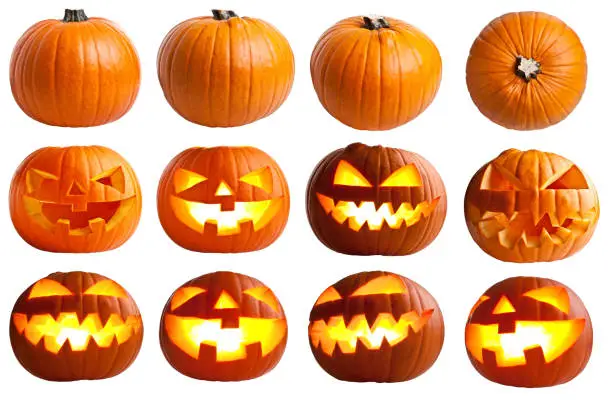
Also Read: Creative Pumpkin Carving Ideas To Elevate Your Halloween Decor

