

Harry Belafonte Net Worth

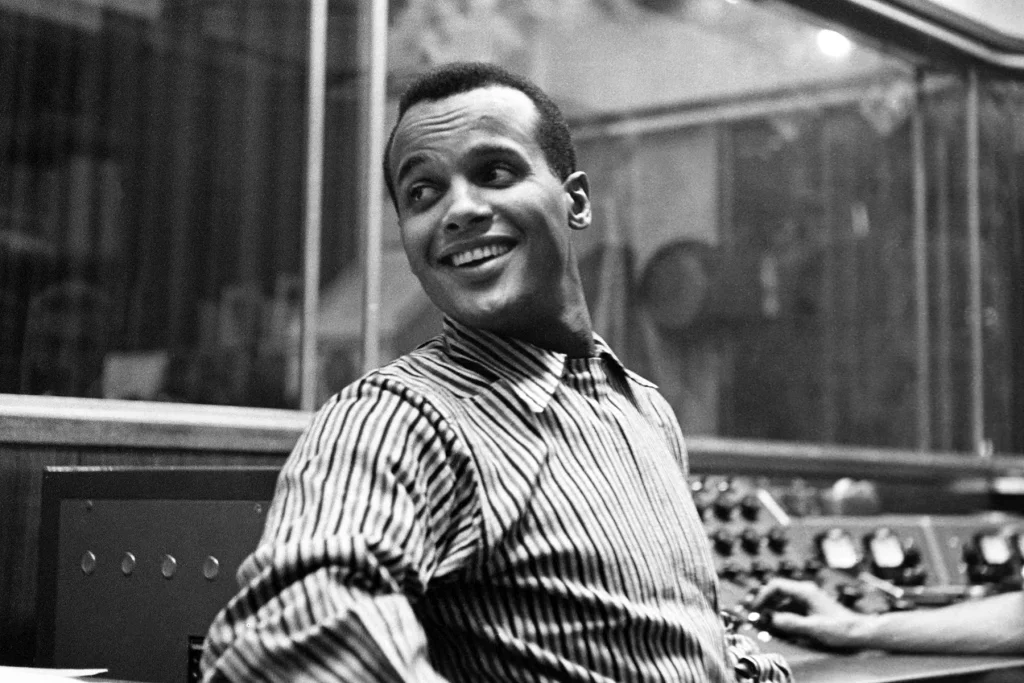
Harry Belafonte was an American singer, actor and social activist who had an estimated Harry Belafonte net worth of $30 million at the time of his death in 2023. He built his fortune through a highly successful music and acting career, while also earning income from touring, film production and other investments.
Belafonte became one of the most influential entertainers of the 20th century and played a major role in popularizing calypso music internationally. His 1956 album Calypso, which featured hits including “Day-O (Banana Boat Song)” and “Jamaica Farewell,” became the first album by a solo artist to sell more than one million copies.
His success made him one of the highest-paid Black performers in the United States during the late 1950s and early 1960s. Beyond entertainment, Belafonte became a prominent civil rights activist and humanitarian. He was a close confidant of Martin Luther King Jr. and used his wealth and influence to support the civil rights movement.
Harry Belafonte net worth: $30 million
Date of birth: March 1, 1927
Place of birth: New York City, United States
Date of death: April 25, 2023
Age at death: 96
Profession: Singer, actor and social activist
Early Life
Harry Belafonte was born Harold George Bellanfanti Jr. on March 1, 1927, in New York City. His parents, Harold Sr. and Melvine, had Jamaican roots.
During his childhood, Belafonte spent several years living with his grandmother in Jamaica, where he attended Wolmer’s Schools. He later returned to New York and attended George Washington High School.
Belafonte enlisted in the United States Navy during World War II. After leaving the military, he developed an interest in performing after attending productions by the American Negro Theater.
He eventually studied acting at the New School’s Dramatic Workshop and began performing with the American Negro Theater.
Harry Belafonte’s Music Career
Belafonte initially turned to singing to help pay for his acting classes. In 1949, he signed with the Roost record label and began performing in New York clubs.
He later signed with RCA Victor in 1953, beginning a relationship with the label that lasted for two decades.
His breakthrough came in 1956 with the release of Calypso. The album became a major commercial success and introduced international audiences to Caribbean music.
The record featured “Day-O (Banana Boat Song),” which became Belafonte’s signature song, as well as “Jamaica Farewell.”
Calypso remained at the top of the Billboard album chart for 31 weeks and became the first album by a solo artist to sell more than one million copies.
The success transformed Belafonte into an international touring star and made him one of the highest-paid Black performers of the period.
Later Music Career
Belafonte recorded music across several genres, including folk, blues, gospel and traditional standards.
He released several successful albums and performed at major venues, including Carnegie Hall. His live recordings from the venue became important parts of his discography.
He also developed a notable professional relationship with South African singer and activist Miriam Makeba. Their 1965 album, An Evening with Belafonte/Makeba, won a Grammy Award.
Belafonte released his final calypso album, Calypso Carnival, in 1971. Although his recording career slowed afterward, he continued touring internationally.
In the 1980s, he became involved with USA for Africa, the charity supergroup behind the hit song “We Are the World.” He also contributed to the soundtrack of the film Beat Street.
His final album, Paradise in Gazankulu, was released through EMI and focused heavily on opposition to apartheid in South Africa.
Belafonte continued performing into the early 2000s before retiring from professional singing.
Harry Belafonte’s Acting Career
Belafonte made his film debut in Bright Road in 1953, appearing alongside Dorothy Dandridge.
The pair reunited in Otto Preminger’s Carmen Jones in 1954. Belafonte later appeared in films including Island in the Sun, Odds Against Tomorrow and The World, the Flesh and the Devil.
He took a break from major film roles during much of the 1960s but returned to the screen in the 1970s.
Belafonte appeared alongside Sidney Poitier in Buck and the Preacher and Uptown Saturday Night. The two actors maintained a close friendship that began during their early careers.
Belafonte later returned to prominent film roles, including appearances in White Man’s Burden in 1995 and Kansas City in 1996.
His later credits included Bobby and Spike Lee’s 2018 film BlacKkKlansman, in which he played an elderly civil rights leader.
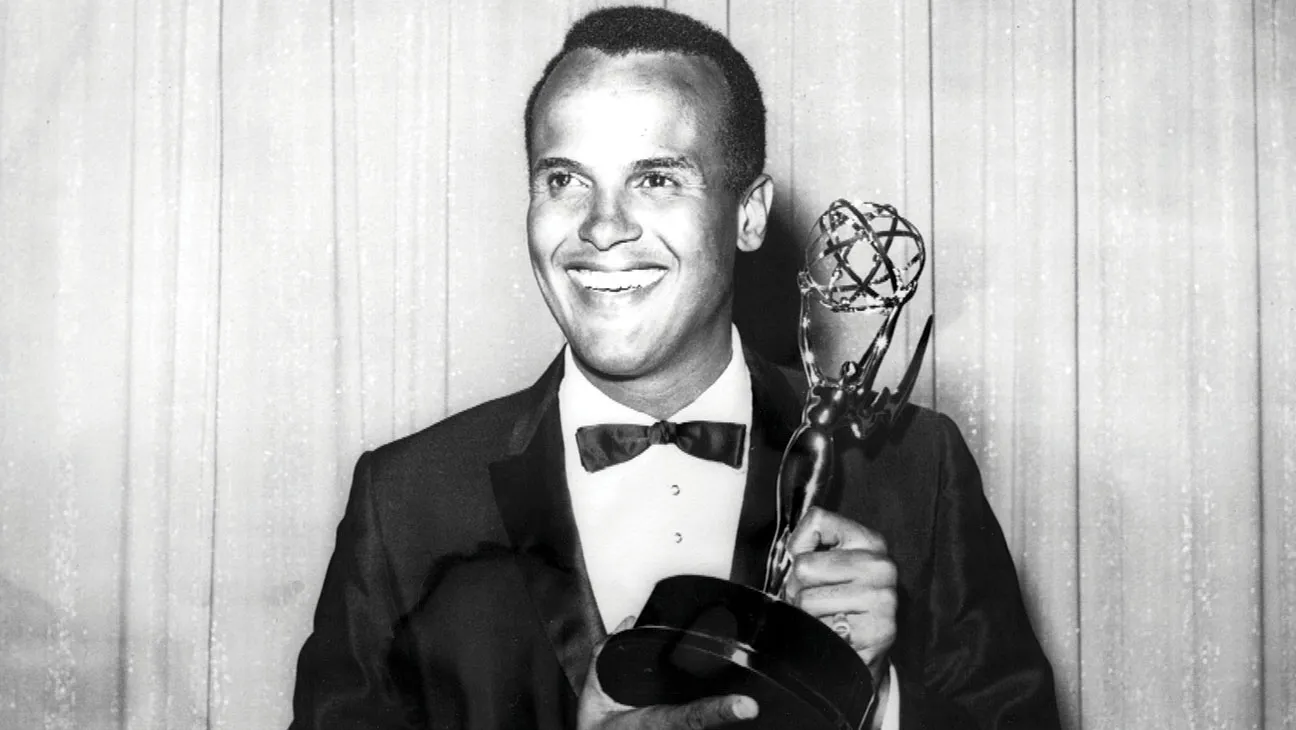

Harry Belafonte’s Activism
Belafonte’s influence extended far beyond music and film.
He became one of the most prominent Black activists in the American civil rights movement during the 1950s and 1960s. He was a close friend and supporter of Martin Luther King Jr. and provided financial assistance to the movement.
Belafonte helped finance Freedom Rides and supported efforts surrounding the 1963 March on Washington. He also provided financial assistance to King’s family following the civil rights leader’s assassination.
His activism later extended to the international fight against apartheid in South Africa.
In 1985, Belafonte helped bring together artists for We Are the World, a charity project that raised money for famine relief in Africa. He also participated in the Live Aid concert.
In 1987, he became a UNICEF Goodwill Ambassador and continued working on humanitarian causes, particularly those involving children, poverty and HIV/AIDS.
Harry Belafonte’s Personal Life
Belafonte was married three times.
He married Marguerite Byrd in 1948, and they had two daughters, Adrienne and Shari, before divorcing in 1957.
He later married dancer Julie Robinson. The couple had two children, David and Gina, and remained together for many years before divorcing in 2004.
Belafonte married photographer Pamela Frank in 2008.
Harry Belafonte’s Manhattan Property
One of Belafonte’s most notable real estate investments began in 1958 when he was searching for a home for his family in New York.
After facing discrimination while trying to rent an apartment, Belafonte and business partners acquired the entire building at 300 West End Avenue.
He subsequently converted the building into a cooperative housing development.
Belafonte occupied the building’s fifth floor, which reportedly covered about 7,000 square feet and contained 21 rooms. The residence included eight bedrooms, eight bathrooms, a library, pool room and sauna.
The property also became an important gathering place for civil rights leaders and other influential figures. Belafonte hosted people including Martin Luther King Jr. at the residence.
He eventually put his apartment on the market in 2005 for $15 million and sold it in 2009 for $10.75 million.
Harry Belafonte’s St. Martin Property
Belafonte also owned property on the Caribbean island of St. Martin.
He purchased a 3.3-acre property there in 1982 and sold it in September 2005 for approximately $2.2 million.
The sale was another significant real estate transaction during his lifetime and contributed to his overall wealth.
Harry Belafonte’s Death
Harry Belafonte died on April 25, 2023, at his New York City apartment. He was 96 years old.
His death brought an end to the life of an entertainer who had achieved extraordinary success in music and film while becoming one of America’s most prominent civil rights and humanitarian figures.
Also Read: Sidney Poitier Net Worth

