

Herbie Hancock Net Worth

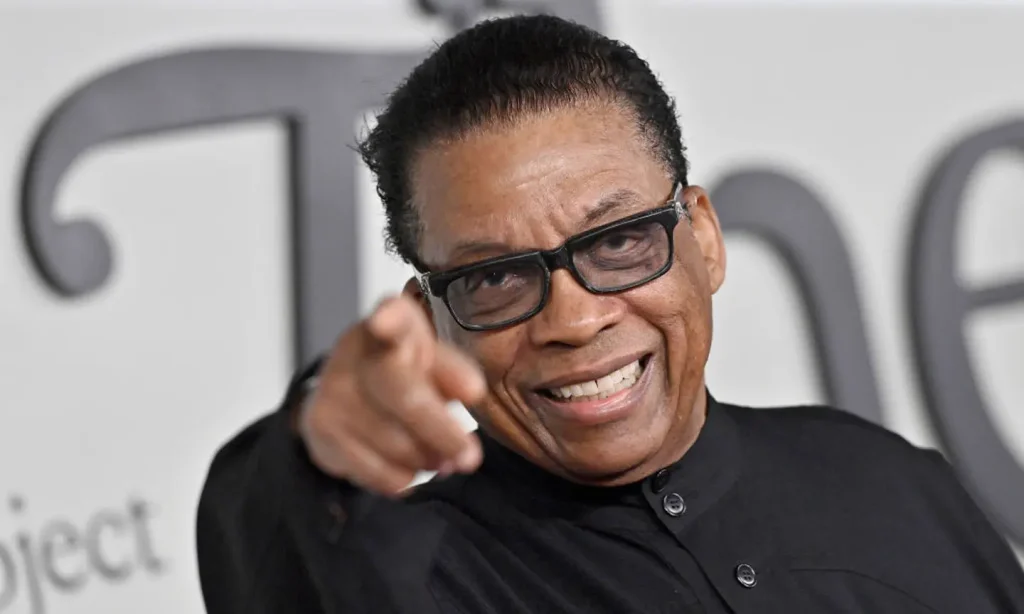
Legendary jazz pianist, composer, and bandleader Herbie Hancock has an estimated net worth of $10 million. Widely regarded as one of the most innovative musicians in jazz history, Hancock built his fortune through decades of album sales, world tours, film scoring, teaching, and collaborations spanning jazz, funk, pop, and electronic music.
Over a career that has lasted more than six decades, Hancock has become one of the most influential figures in modern music. From redefining jazz with Miles Davis in the 1960s to pioneering jazz fusion in the 1970s and blending jazz with electronic and hip-hop influences in later decades, Hancock’s impact stretches far beyond traditional jazz audiences. His long list of honors includes multiple Grammy Awards, an Academy Award, and recognition as one of the genre’s greatest innovators.
| Herbie Hancock Net Worth | $10 Million |
| Date of Birth | April 12, 1940 |
| Place of Birth | Chicago, Illinois |
| Nationality | American |
| Profession | Pianist, Composer, and Bandleader |
Early Life
Herbie Hancock was born Herbert Jeffrey Hancock on April 12, 1940, in Chicago, Illinois. From an early age, he displayed remarkable musical ability, beginning piano lessons at just seven years old.
His extraordinary talent became evident when he performed a Mozart piano concerto with the Chicago Symphony Orchestra at only 11 years old. Although classically trained, Hancock later developed a deep appreciation for jazz, inspired by artists such as Oscar Peterson and Bill Evans.
Despite studying engineering at Grinnell College, Hancock ultimately decided to pursue music professionally, setting the stage for one of the most influential careers in jazz history.
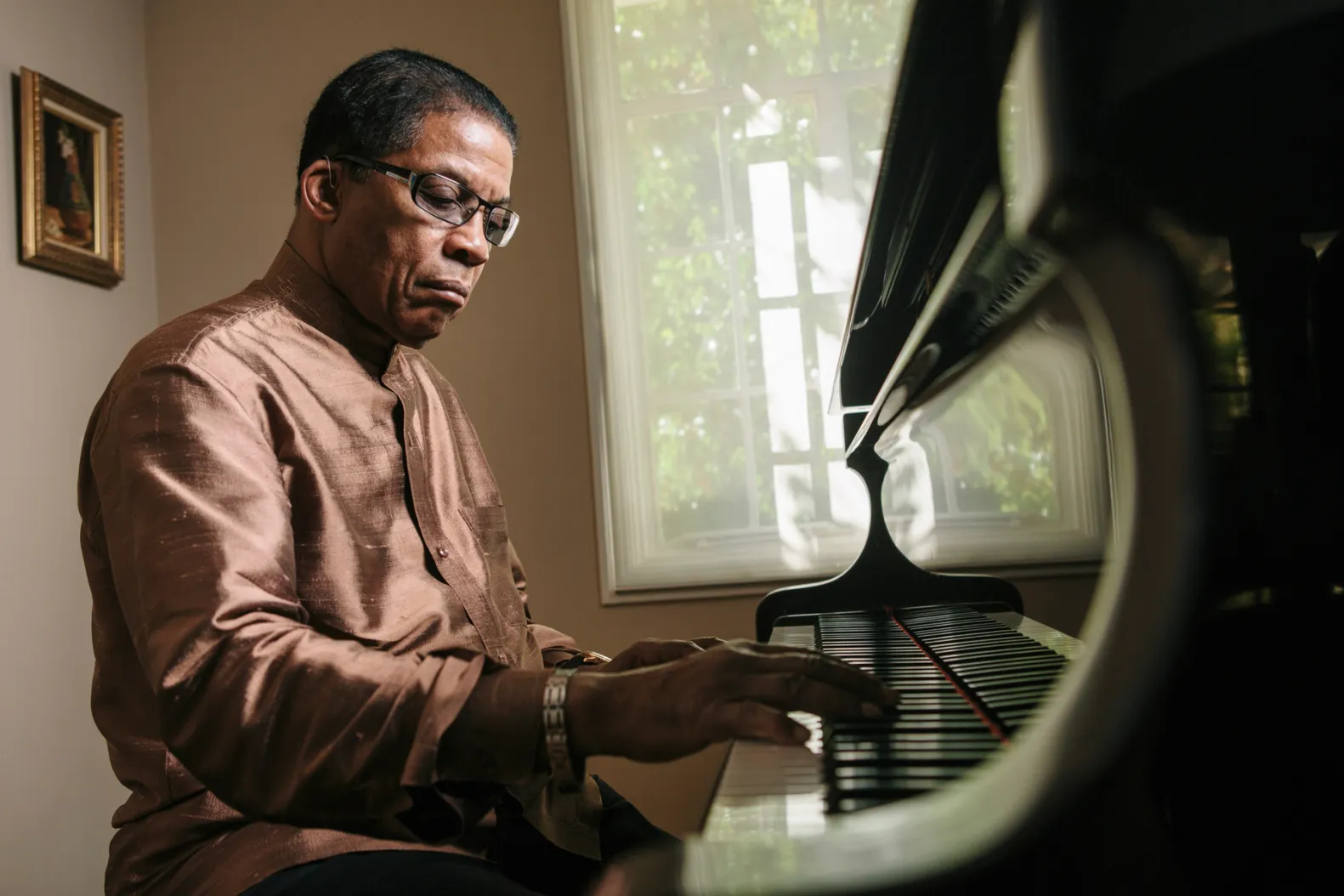

Breakthrough With Miles Davis
Hancock’s professional breakthrough came in the early 1960s when trumpeter Donald Byrd invited him to join his group in New York City.
In 1963, Hancock received a career-changing invitation from jazz icon Miles Davis to join what became known as the “Second Great Quintet.” The group transformed modern jazz through groundbreaking experimentation with rhythm, harmony, and improvisation.
During his time with Davis, Hancock helped shape acclaimed albums while composing influential pieces like Maiden Voyage and Cantaloupe Island, both of which became jazz standards and remain widely celebrated.
Reinventing Jazz Through Fusion
Throughout the 1970s, Hancock embraced electronic instruments and funk influences, helping pioneer the jazz fusion movement.
His band, The Headhunters, released the landmark album Head Hunters in 1973, which became one of the most commercially successful jazz albums ever recorded. Featuring the hit instrumental “Chameleon,” the album became the first jazz fusion release to achieve platinum status.
Hancock continued experimenting with different styles throughout the decade, balancing acoustic jazz projects with electronic recordings. His willingness to innovate kept him relevant across multiple generations of music fans.
Mainstream Success
In the 1980s, Hancock further expanded his musical reach with electronic and pop-inspired sounds.
His 1983 album Future Shock featured the hit single “Rockit,” an instrumental track blending jazz, electronic music, and hip-hop influences. The song became a cultural phenomenon and introduced Hancock to younger audiences worldwide.
Over the years, Hancock earned numerous accolades, including 14 Grammy Awards. In 2008, he achieved one of the highest honors in music when River: The Joni Letters won Album of the Year at the Grammys, making it only the second jazz album ever to receive the prestigious award.
He also won an Academy Award for scoring the film Round Midnight, further solidifying his versatility as a composer.
Teaching, Mentorship, and Global Influence
Beyond performing, Hancock has played an important role in jazz education and cultural diplomacy.
In 2011, he became a UNESCO Goodwill Ambassador for Intercultural Dialogue, using music to foster global understanding. He has also mentored young musicians through the Herbie Hancock Institute of Jazz, formerly known as the Thelonious Monk Institute of Jazz.
Hancock’s musical influence extends beyond jazz, with his work frequently sampled in hip-hop and studied by musicians across genres.
Real Estate Holdings
Hancock has also benefited from real estate investments over the years. In 1973, he reportedly purchased a home in Los Angeles for approximately $70,000. Today, the property is estimated to be worth around $4 million, reflecting substantial appreciation over time.
Personal Life
Hancock has maintained a relatively stable personal life throughout his long career. Since 1968, he has been married to Gigi Hancock, and together they have one daughter, Jessica.
The jazz legend has frequently credited Nichiren Buddhism, which he embraced in the early 1970s, with helping him maintain balance between his demanding career and family life.
Also Read: What Was Miles Davis Net Worth?

