

Hippo attack leaves one dead, another injured in Lamu

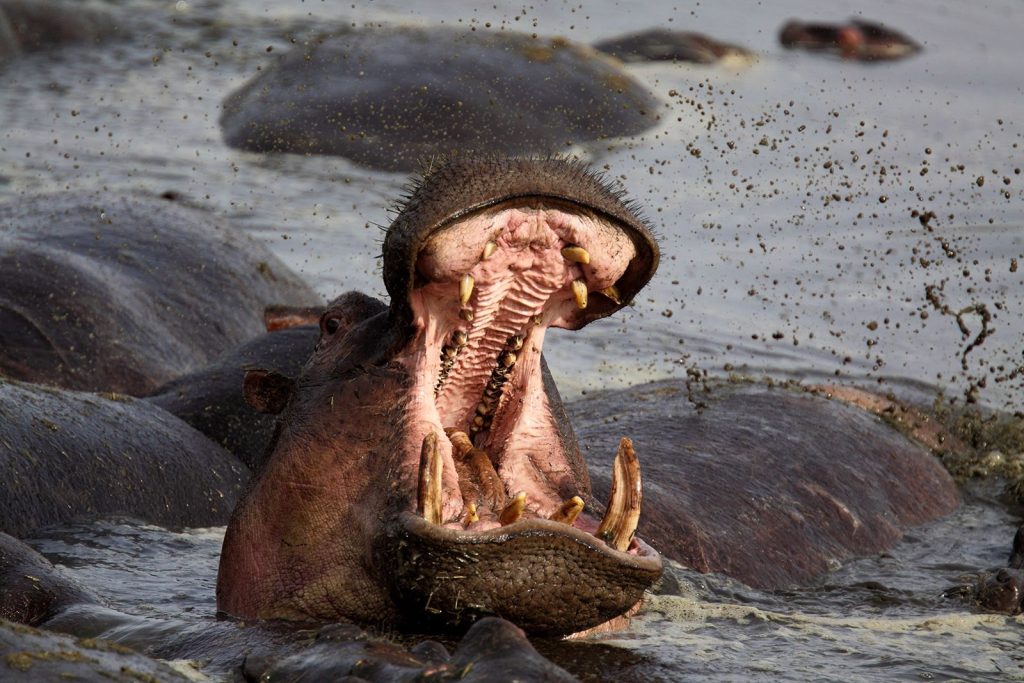
A hippopotamus attacked and killed a man in an incident in Kibaoni, Lamu County.
The animal was later shot and killed as it aggressively pursued a second victim. Police said two men were fishing in Mtwapa Moja Dam on April 12 when a hippo emerged and attacked them.
Joseph Mwangi, 19, was dragged into the water after the attack and died.
His colleague managed to escape with injuries as the animal chased him. A team of police reservists and personnel from Kenya Wildlife Service who were in the area rushed to his rescue and shot at the animal to scare it.
The animal was killed as it aggressively pursued the survivor. The injured man was rushed to the hospital as the deceased body was moved to the mortuary.
The families of the victims were asked to file for compensation.
Such attacks have been on the rise in the area amid a campaign to address them.
In May 2025, Kenya introduced the third phase of its Human–Wildlife Conflict Compensation Programme, an initiative aimed at addressing these incidents and supporting affected families.
During its launch at Meru National Park, President William Ruto unveiled the innovative Wildlife Conservation Card, a new tool designed to help fund conservation efforts.
“Compensation is justice, but prevention is progress,” Ruto said, emphasizing the need for long-term solutions that benefit both people and wildlife.
“Through the Conservation Card, fencing, and communityâled tourism, we are turning conflict into opportunity,” he added.
Developed in partnership with KCB Bank, the Wildlife Conservation Card is available in three tiers—Platinum (Elephant), Gold (Lion), and Silver (Cheetah).
A portion of every transaction made with the card (Sh10, Sh5, and Sh3, respectively) goes directly to the Wildlife Conservation Trust Fund.
The initiative aims to enable Kenyans and international supporters to contribute to wildlife conservation while fostering economic benefits for local communities.
With this new approach, Kenya hopes to build a future where humans and wildlife can coexist more safely and sustainably.