

House Committee Urges Prisons Service to Address Ethnic Imbalance in Recruitment

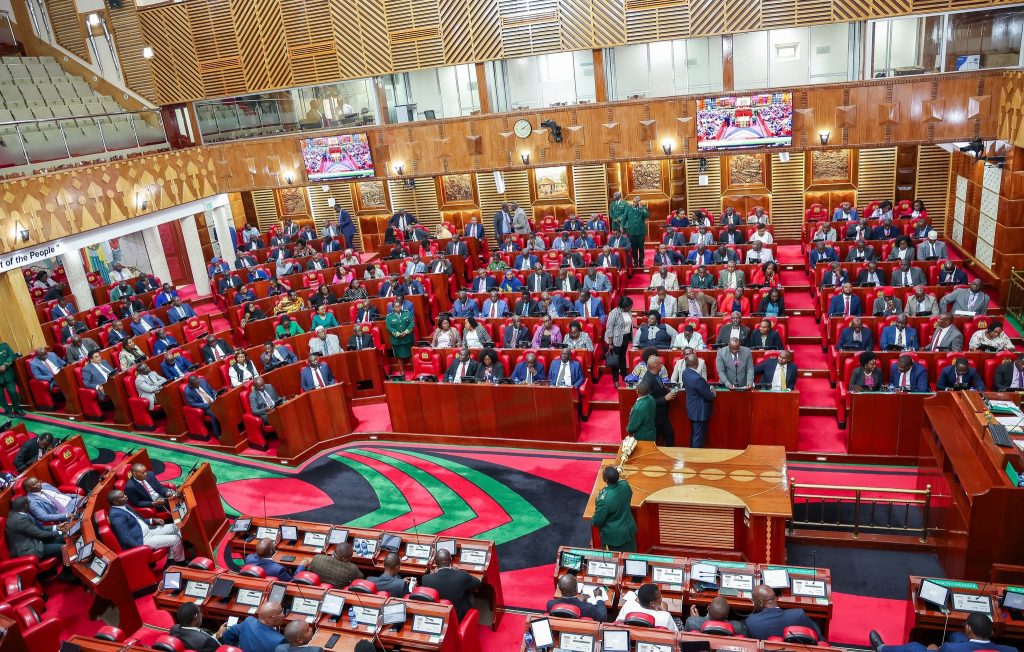
A National Assembly committee has urged the Kenya Prisons Service (KPS) to use its nationwide presence to comply with legal requirements on ethnic diversity and provide equal employment opportunities to disadvantaged groups.
The National Assembly Committee on Cohesion and Equal Opportunities raised the concerns during a meeting with Prisons Service Commissioner General Patrick Aranduh, noting that the institution was well placed to meet constitutional requirements because it operates facilities across the country.
Committee Chairperson Adan Yusuf Haji said the Service should not struggle to achieve ethnic balance in its workforce, given that it has at least one or more facilities in every county.
“With prisons in all counties, I don’t expect the Agency not to comply with the constitutional requirements of employment diversity,” said the Mandera West MP.
The committee raised the concerns after reviewing a report submitted by Aranduh, which showed that one community accounted for a disproportionately large share of the Service’s workforce.
The report also revealed that the Prisons Service had not met the legal requirement that at least five per cent of its workforce comprise persons living with disabilities (PLWDs).
According to the report, the Service has a total workforce of 33,427 officers, including 7,234 Kalenjins and 5,360 Kikuyus.
Committee members questioned why the Service had not fully used its presence across the country to create employment opportunities for communities living in areas where its institutions are located.
Aranduh acknowledged the gaps in ethnic representation and said the next recruitment exercise would provide an opportunity to address the existing imbalances.
“We have forwarded our requests for recruitment and we are waiting for approval and dates. We will use the exercise to ensure we correct ethnic imbalances in our employment,” he said.
The Commissioner General also told the committee that the Service had achieved gender balance in its workforce.
“Out of the 33,427 staff establishment, we have 25,227 males, translating to 75 per cent, and 8,200 females, representing 24.5 per cent,” he explained.

