

How African Horses and Jockeys Are Breaking Into the International Racing Scene

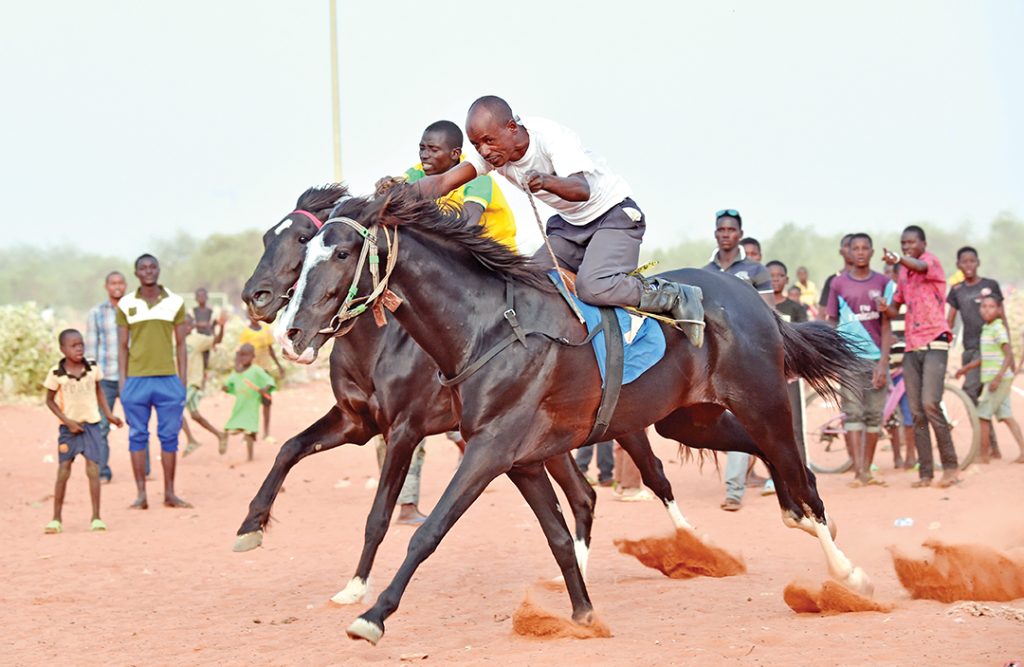
African Horses and Jockeys
African horse racing doesn’t normally make it to the front of most peoples’ minds as they think about world sport. Europe, the Middle East, and Australia have dominated for decades with their big names. But change is on the horizon. In Kenya, South Africa, Mauritius, and beyond, a quiet revolution is brewing — one gallop at a time.
Local horses and jockeys are being introduced into the international scene, competing with top horses, and gaining attention abroad. And African people at home are following more closely than ever before, tracking performances, pedigree, and even racing odds as competition from the continent is beginning to appear where it was once barely found.
The Roots of African Horse Racing
Horse racing has a surprisingly deep and rich history on the continent of Africa. Nations such as Kenya and South Africa were hosting their own events well before multibillion-dollar spectacles like the Dubai World Cup were making headlines around the world.
In Nairobi, the Ngong Racecourse is a venerable city institution. It’s not a track — it’s an event. Families wear their Sunday best, fashion takes center stage, and everyone has a horse to bet on. The sport doesn’t make every other front-page splash with football, but it is an institution in Kenyan sport.
South Africa, in turn, has constructed one of the most advanced racing industries on the continent, with breeding programs, top-level trainers, and a talent pipeline of jockeys who now ride overseas. It is not a recent wake-up call; what is occurring today is the fruit of decades of legwork ultimately receiving its international vindication.
The Riders Who Refuse to Be Overlooked
African jockeys are always resilient. Most of them developed, from an early stage, racing on tough surfaces, at times with inadequate equipment or facilities, learning toughness before learning techniques. That’s what makes them so competitive abroad.
Names such as S’manga Khumalo and South Africa’s Lyle Hewitson have already stirred waves in Europe and Asia. Their presence is proof that Africans are on par with their colleagues from around the globe. In Kenya, there is a new crop of young jockeys on the rise — riders who train with passion and seek to test themselves beyond familiar turf of Ngong.
For others, the test is not talent but opportunity. Opportunity to ride abroad often depends on finance, visibility, and connections. But as overseas stables cast their eyes on Africa’s untapped talent, those opportunities are finally taking shape.
Breeding Strength and Style
Africa’s input into world racing isn’t just in the saddle, though — it’s in the stables too. South African breeding operations have been producing good, strong horses for years, some of whom are now winning in Europe and the Middle East.
The climate and terrain in parts of Africa inevitably breed stamina and staying power — two highly valued attributes in any fine racehorse. Kenyan horse breeders are now considering how to tap that very potential, uniting local conditions with imported bloodlines to create successful thoroughbreds.
It’s only just beginning, but the momentum is building. Each successful sale or foreign victory lends credibility and attention to the continent’s growing standing.
A Digital Revolution in the Paddock
Technology is also revolutionizing African horse racing. Trainers use digital platforms to track performance, gauge competition, and even contact potential sponsors in foreign countries. Jockeys can view videos of races at Hong Kong or Ascot and apply those lessons to home territory.
And for the spectators, the experience has become global too. Results, replays, and updates are on their fingertips. In Nairobi, Lagos, or Johannesburg, racing fans can watch their favorites in real time and compare them with horses from across the world. It’s made the sport more social, more interactive, and more accessible than ever before.
The Culture That Makes It Unique
A day’s racing in Africa is not automatically a subdued day at the races — it’s more akin to a party. There is music, street food all around, and horse talk, headline talk, politics talk. The air is electric, and that is what sets African racing apart.
It’s not just a sport. It’s a celebration of the community, where functionality and form combine. That one perfect marriage of passion and reserve is the very thing that’s drawing international attention. African racing is not trying to emulate Europe’s heritage but is offering something newer, brighter, and consecrated in native pride.
The Finish Line Is Just the Beginning
Africa’s introduction to international horse racing continues to gain speed, but the path is clear. More jockeys are in transit, more horses are appearing, and more countries are listening to what the continent has to offer.
Although some obstacles remain, finance, accommodation, and publicity are right at the top. The spirit of the sport, however, remains unbroken. Every lap run at Ngong, every Johannesburg title, and every aspiring young jockey looking for international races adds to the story.
The next time you’re searching for global race results, don’t be shocked if you find a face that’s familiar from Africa. The sport of kings might have new monarchs — and they’re racing straight out of the motherland.