

How Business Owners Can Upgrade Their Commercial Properties to Meet Modern Standards

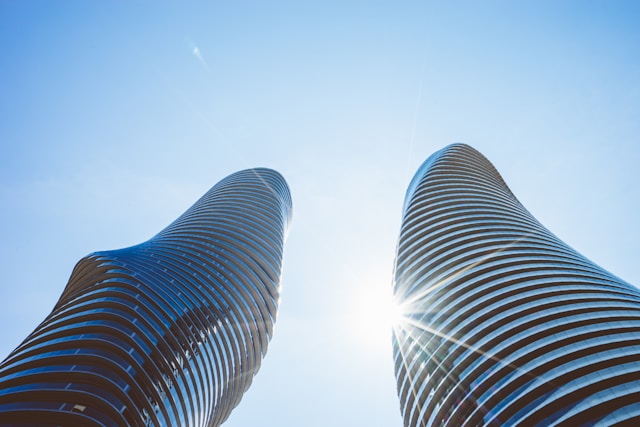
Twin twisting towers at Absolute Condos, Mississauga, Canada
The business landscape is always evolving, and commercial properties must evolve with it. Whether you own an office building, a retail space, or an industrial facility, maintaining a modern and functional property is essential. Upgrading your commercial property isn’t just about aesthetics—it’s about improving efficiency, sustainability, and compliance with modern regulations.
From energy efficiency upgrades to safety enhancements, let’s explore key improvements business owners can make to bring their properties up to today’s standards.
1. Enhance Energy Efficiency
Energy efficiency is no longer just a buzzword—it’s a business necessity. Upgrading your property’s energy systems can reduce costs, improve sustainability, and attract environmentally conscious tenants or customers.
Start by conducting an energy audit. This will identify areas where energy is being wasted, such as outdated HVAC systems, poor insulation, or inefficient lighting. Upgrading to LED lighting, installing smart thermostats, and improving insulation can make an immediate difference. Additionally, consider investing in renewable energy sources like solar panels to reduce long-term electricity costs.
2. Modernize the Building’s Exterior
First impressions matter. The exterior of your property sets the tone for customers, employees, and investors. A dated or poorly maintained façade can make a business look unprofessional.
Start with a fresh coat of paint or updated siding. If the building’s entrance is uninviting, upgrading doors, windows, and signage can create a more welcoming feel. Landscaping also plays a significant role—maintaining green spaces, walkways, and outdoor seating areas can improve curb appeal.
Don’t forget the parking lot. Cracked pavement, faded lines, and potholes not only look unappealing but also pose safety risks. Working with a commercial paving company can ensure your lot is smooth, well-marked, and compliant with ADA regulations.
3. Improve Indoor Air Quality and Ventilation
Indoor air quality (IAQ) is a crucial yet often overlooked aspect of modern buildings. Poor air quality can lead to health issues, reduced productivity, and even legal concerns.
Upgrading ventilation systems, installing air purifiers, and using low-VOC (volatile organic compound) materials in renovations can significantly improve IAQ. Additionally, incorporating indoor plants and maintaining regular HVAC maintenance schedules can help keep the air clean.
4. Implement Smart Technology
Smart technology is revolutionizing commercial properties. From security systems to automation, integrating tech upgrades can enhance efficiency, security, and user experience.
Consider installing smart lighting that adjusts based on occupancy or natural light levels. Automated climate control systems can regulate indoor temperatures efficiently, reducing energy waste. For security, smart cameras, keyless entry systems, and remote monitoring solutions offer better protection and convenience.
Smart office spaces are also becoming popular. Features like app-controlled meeting rooms, touchless entry systems, and IoT-connected devices can make work environments more comfortable and technologically advanced.
5. Upgrade Safety and Accessibility Features
Compliance with safety and accessibility standards is non-negotiable. Outdated safety measures can put occupants at risk, while non-compliance with accessibility laws can result in legal complications.
Fire suppression systems, emergency exits, and lighting should all meet modern safety codes. Regular inspections and updates to fire alarms, sprinklers, and emergency signage are essential.
For accessibility, ensure that entrances, restrooms, and pathways accommodate individuals with disabilities. Installing ramps, elevators, and automatic doors can make a significant difference. The Americans with Disabilities Act (ADA) provides guidelines for making commercial spaces more inclusive. Business owners can reference ADA.gov for compliance details.
6. Optimize Space for Employee and Customer Comfort
A well-designed workspace leads to higher productivity and satisfaction. Whether it’s an office or a retail environment, layout and design matter.
Flexible workspaces with open areas, private booths, and collaborative zones are in high demand. If space permits, consider adding wellness rooms, break areas, or outdoor spaces for employees to recharge. For retail businesses, optimizing store layouts to improve flow and customer experience can lead to higher sales.
Updating furniture and fixtures to ergonomic, modern designs also contributes to a more comfortable and productive environment.
7. Prioritize Sustainable Upgrades
Sustainability is more than a trend—it’s a competitive advantage. Many customers and tenants prefer businesses that prioritize environmentally responsible practices.
Beyond energy efficiency, look into water conservation measures like low-flow fixtures, rainwater collection systems, and drought-resistant landscaping. Using sustainable materials for renovations—such as reclaimed wood, recycled metal, or eco-friendly paint—can also enhance your property’s environmental impact.
Green building certifications like LEED (Leadership in Energy and Environmental Design) can add credibility and value to your property. Even small changes, like offering recycling programs and reducing single-use plastics, can contribute to a more sustainable operation.
Final Thoughts
Upgrading a commercial property to meet modern standards is a worthwhile investment. Not only does it enhance your building’s appeal, but it also improves efficiency, safety, and sustainability.
By focusing on energy efficiency, exterior and interior improvements, smart technology, safety compliance, and sustainability, business owners can future-proof their properties. Staying ahead of modern trends ensures your commercial space remains competitive, valuable, and welcoming for employees and customers alike.