

How Digital Innovation is Transforming Money Management and Banking Services

How Digital Innovation is Transforming Money Management and Banking Services
Over the past decade, the financial world has witnessed a remarkable transformation. From the rise of mobile banking to AI-powered financial advice, technology has redefined how individuals manage money and interact with banks. What was once a slow, paper-heavy industry is now fast-paced, data-driven, and increasingly customer-centric. In this article, we explore the key ways digital innovation is changing personal finance and banking services, and why these shifts matter to everyday consumers.
Mobile Banking: Convenience in Your Pocket
One of the most visible impacts of technology in finance is the growth of mobile banking. Gone are the days when visiting a branch was the only option for transferring funds or paying bills. Today, a smartphone can perform nearly all the tasks once reserved for in-person banking.
Mobile apps provide real-time account monitoring, instant money transfers, and even features like budgeting tools. They are designed with user experience in mind, making financial management intuitive and accessible. For instance, many banks now allow you to deposit checks by simply taking a photo, eliminating the need for a physical visit.
This convenience also encourages better money management. Customers are more likely to track spending and stay on top of bills when the information is literally at their fingertips.
Automation and AI: Smarter Money Management
Artificial intelligence and automation are no longer futuristic concepts—they are actively shaping personal finance today. From predictive spending analysis to automated savings plans, AI allows consumers to make smarter financial decisions without extra effort.
Platforms now analyze your transaction history to provide insights about where your money goes, helping identify areas where you can cut costs or save more effectively. Robo-advisors, for example, offer automated investment advice tailored to individual risk profiles. This has opened doors for people who previously found investing complex or intimidating.
Additionally, AI can detect unusual activity in accounts, alerting users to potential fraud much faster than traditional methods. According to Investopedia, financial institutions increasingly rely on these technologies to protect users and enhance efficiency, signaling a significant shift in banking practices.
Digital Wallets and Contactless Payments
Digital wallets like Apple Pay, Google Wallet, and Samsung Pay are another major development transforming how we spend money. These platforms store card information securely and allow for instant payments without the need for cash or physical cards.
Contactless payments have surged in popularity, especially since the global pandemic, which accelerated the adoption of touchless transactions. They not only provide convenience but also add layers of security, as encrypted transactions reduce the risk of theft.
Moreover, these systems often integrate loyalty programs and rewards, giving users incentives to manage payments digitally. In essence, the way we think about money is no longer strictly tied to paper or plastic—it’s increasingly virtual.
Enhanced Credit and Risk Management
Technology is also reshaping how individuals monitor and manage credit. Digital platforms can aggregate credit reports, track spending habits, and even provide personalized recommendations to improve credit scores. Using a credit monitoring app can alert users to changes in their credit report, helping prevent identity theft and maintain healthy financial habits.
Banks and financial institutions are leveraging big data to assess creditworthiness more accurately. Instead of relying solely on historical credit scores, algorithms can consider a broader range of financial behaviors, potentially expanding access to credit for underserved populations.
Investment Opportunities Made Accessible
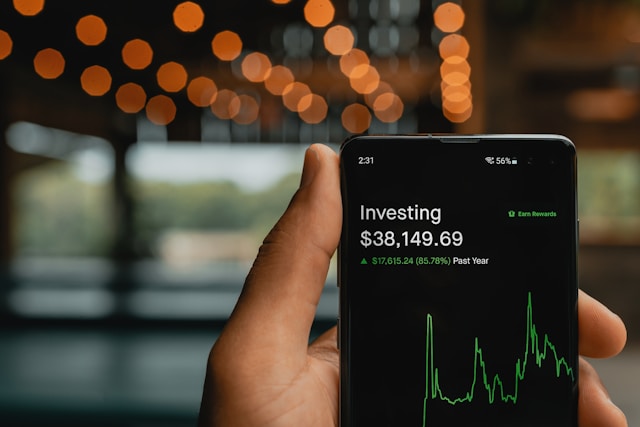
Investing has traditionally been seen as the domain of the wealthy or financially sophisticated. Today, technology democratizes investment opportunities. Mobile apps allow users to invest small amounts in stocks, ETFs, or cryptocurrencies, often with little to no fees.
These platforms typically include educational resources, tutorials, and simulations to guide beginners. Users can set up recurring investments automatically, making wealth-building more approachable. The combination of accessibility and automation is encouraging a new generation to participate in markets that once felt out of reach.
Data Security and Privacy Considerations
While technology brings convenience, it also raises concerns about data security and privacy. Digital banking systems collect enormous amounts of personal information. Protecting this data is critical. Encryption, two-factor authentication, and biometric logins are standard tools banks use to secure accounts.
Consumers must also remain vigilant. Regularly updating passwords, monitoring accounts for unusual activity, and using secure networks are essential habits. Understanding the balance between convenience and security is a key part of modern financial literacy.
The Future of Personalized Finance
Looking ahead, personalization is likely to dominate the next wave of financial innovation. AI and machine learning will enable financial services that adapt to individual behaviors and goals. Imagine an app that not only tracks spending but also predicts future expenses, suggests optimal savings strategies, and provides custom investment advice—all in real time.
Moreover, open banking initiatives are fostering collaboration between traditional banks and fintech startups. This integration allows for seamless access to multiple financial services within a single platform, enhancing user experience and efficiency.
Conclusion
Digital innovation is fundamentally transforming personal finance and banking. From mobile banking and AI-driven insights to digital wallets and accessible investment tools, technology is making money management smarter, faster, and more secure. Consumers benefit from convenience and new opportunities, but also bear responsibility for maintaining security and privacy.

