

How Do Video Doorbells Work and Why You Need One

How Do Video Doorbells Work and Why You Need One
Video doorbells are transforming the way we view home security, offering an advanced layer of protection right at your doorstep. These devices are not just about seeing who rings your bell but integrate seamlessly with smart home technology to offer enhanced security features. Whether you’re at home or away, video doorbells allow you to see and speak with visitors, providing peace of mind and a sense of control over who enters your home environment. As a practical addition to modern living, it’s no surprise that homeowners are increasingly relying on this tech-savvy solution for both security and convenience.
What Is a Video Doorbell?
Core Components and Tech
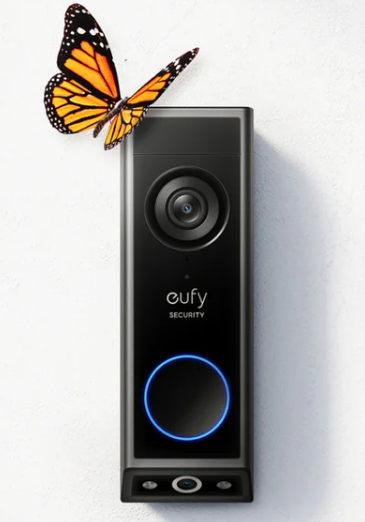
Video doorbells come with various components that work together to provide a seamless experience. The key elements include a built-in camera, motion sensors, and a microphone and speaker for two-way communication. The camera is typically designed to have a wide field of view to capture as much of the surroundings as possible. Motion sensors alert the system when someone is near, even if they don’t press the bell. These devices connect to your home Wi-Fi network, allowing you to access live video streams and communicate through a smartphone app. Some models may also include night vision to ensure visibility in low-light conditions.
Wired vs Wireless Models
Video doorbells are available in both wired and wireless models, each with its benefits. Wired models connect to existing doorbell wiring, providing constant power, which means fewer interruptions from charging. However, installation can be more complex. On the other hand, wireless models are battery-powered, making them easy to install without the need for electrical wiring. While convenient, they require regular battery recharging or monitoring battery levels to ensure the device remains operational. Choosing between wired and wireless often depends on personal convenience, electrical proficiency, and home compatibility.
How Video Doorbells Actually Work
Motion Detection and Alerts
Motion detection is a key feature of video doorbells, allowing them to sense when someone is approaching your door. This technology uses infrared, laser, or microwave sensors to detect motion. Once motion is detected, the device sends an alert to your smartphone or another connected device, informing you of potential visitors. Some models allow customization of motion detection zones, ensuring you are only notified when visitors are in specific areas, minimizing false alarms.
Live View and TwoâWay Communication
Live view enables homeowners to watch a real-time video feed from their doorbell camera at any time. This feature is accessible through a dedicated app on your connected device. It allows you to keep an eye on your property even when you’re not home. Two-way communication is another essential feature, using the embedded microphone and speaker in the doorbell. This function allows you to speak to the person at your door directly, providing instructions or answering questions without opening the door. This can be especially beneficial in communicating with delivery personnel or deterring potential intruders.
Why You Need a Video Doorbell
Better Home Security and Peace of Mind
Video doorbells act as an extra pair of eyes for your home, constantly monitoring the vicinity of your door. This constant surveillance deters potential burglars and provides valuable evidence in case of a security breach. The immediate alerts and real-time communication provide peace of mind, knowing you always have control over who visits your home. Whether you’re traveling or at work, video doorbells ensure that you’re never out of touch with what’s happening at your front door.
Practical Everyday Benefits
Beyond security, video doorbells offer several everyday conveniences. From speaking with delivery drivers when you’re not home to screening unexpected visitors, they significantly enhance daily life operations. Features like pre-recorded messages allow you to communicate quickly without even answering live. Additionally, during busy mornings or hectic days, video doorbells provide one less thing to worry about, knowing that monitoring your home’s front door is automated and thoroughly streamlined.
Key Features to Look For
Video Quality and Field of View
The camera quality of a video doorbell determines how clearly you can see your visitors and surroundings. High-definition cameras, preferably 1080p or higher, provide detailed and clear images. Additionally, consider devices with a wide field of view, typically ranging from 120 to 180 degrees, ensuring minimal blind spots and comprehensive coverage of your front door area.
Storage, Subscriptions & Connectivity
Storage options are crucial for reviewing footage after events occur. Some video doorbells offer local storage, but many use cloud-based solutions, which might require a subscription fee. Consider your storage and retrieval needs when choosing a model. Connectivity is another vital aspect. Ensure the chosen video doorbell is compatible with your home Wi-Fi network. Features such as dual-band Wi-Fi (2.4GHz and 5GHz) offer more reliable connections, especially in larger homes with multiple connected devices.
Conclusion
Incorporating a video doorbell into your home security system combines technology and convenience to enhance your lifestyle. They deter crime, improve communication with visitors, and ease the delivery process for packages. By understanding the workings and features of video doorbells, you can confidently choose a model that fits your security needs with technological innovation. As these devices continue to evolve, they provide invaluable security and peace of mind for homeowners worldwide.