

How Is An Ammeter Connected To A Circuit

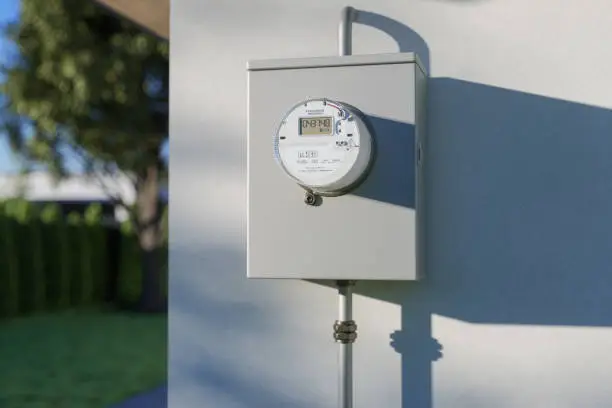
An ammeter is an instrument used to measure the flow of electric current in a circuit. It is one of the most common tools in electrical work, helping electricians, students, and engineers understand how much current is passing through a wire or device. To get accurate readings, the ammeter must be connected correctly in the circuit. Here is how is an ammeter connected to a circuit.
- Connection in Series
An ammeter is always connected in series with the component whose current you want to measure. This means it is placed directly in the path of the current so that all the current flows through the meter. If it were connected in parallel, it could be damaged because of its very low internal resistance.
- Observing Polarity
Most ammeters have positive (+) and negative (–) terminals. The positive terminal should be connected to the side of the circuit with higher potential (usually the power supply’s positive end), while the negative terminal connects toward the lower potential side. Reversing these connections may give incorrect readings or damage the meter.
- Using Proper Range Settings
Before connecting, the range on the ammeter should be set to a level higher than the expected current. This prevents overloading. Once the circuit is running, the range can be adjusted downward for a more precise reading if the current is smaller.
- Safety Considerations
Because the ammeter must carry the full current of the circuit, it is important to ensure the circuit is switched off before connecting the device. Wires should be secure to avoid loose connections, which can cause sparks or inaccurate readings.
- Example of Use
If you want to measure the current flowing through a bulb in a simple battery circuit, you would disconnect one wire leading to the bulb, place the ammeter between the bulb and the wire, and then reconnect the circuit. The ammeter will now show the current passing through the bulb.
Also Read: How Does The Government Contribute To School Fees