


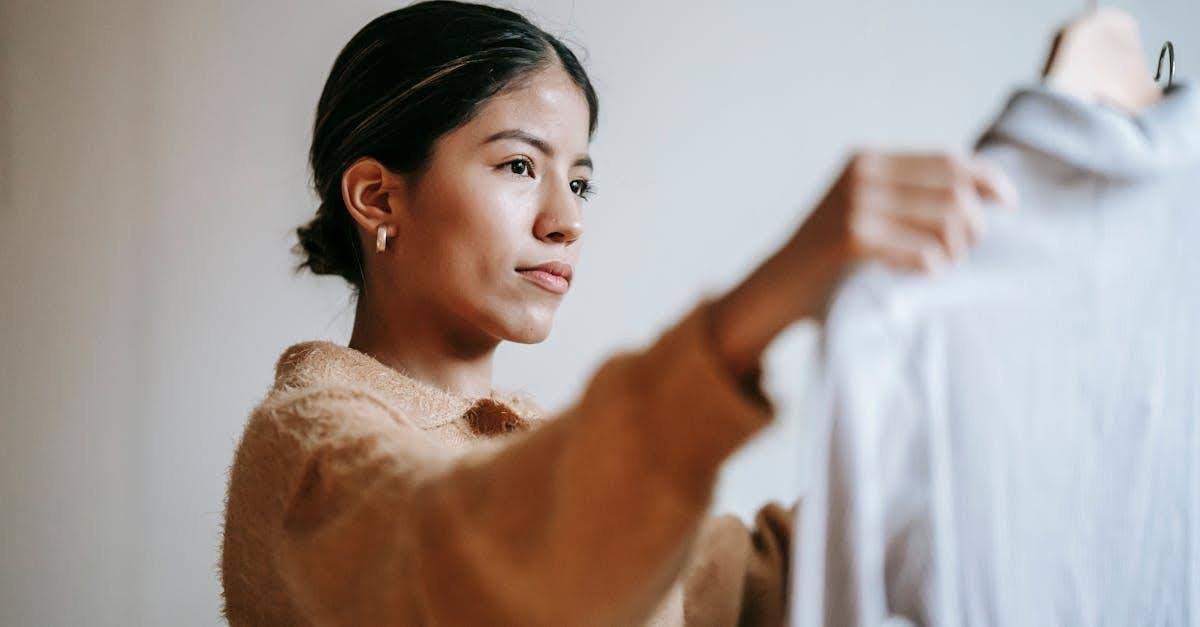
In today’s fast-paced world, lifestyle trends are reshaping how we think about consumption. From sustainable living to digital experiences, our choices reflect a deeper shift in values and priorities. As we navigate this evolving landscape, it’s clear that what we buy and how we buy it tells a story about who we are.
Understanding these changes isn’t just fascinating; it’s essential for businesses aiming to connect with their audience. Even in personal celebrations, modern consumers are blending practicality with personality, choosing memorable details such as wedding koozies that both reduce waste and create lasting keepsakes for guests. These subtle touches highlight how lifestyle trends influence even the most traditional moments.
On a broader scale, consumer choices also extend to leisure and wellness. A growing number of people are opting for experiences and products that align with mindful living, from eco-conscious purchases to supporting local wineries. Sharing a glass of rose wines with friends, for example, reflects not just a taste preference but a broader cultural shift toward enjoying life in a more intentional and connected way.
By recognizing the impact of these lifestyle trends, businesses can anticipate consumer needs more effectively and strengthen their connection with audiences. For consumers, it’s a reminder that each purchase, no matter how small, is part of a bigger narrative that reflects evolving priorities in today’s society.
Overview of Lifestyle Trends
Lifestyle trends significantly influence consumer habits. Current trends reveal a strong inclination towards sustainability, health consciousness, and digital engagement.
- Sustainability: Consumers increasingly prioritize eco-friendly products and practices. In 2022, 64% of adults reported making purchases based on a brand’s sustainability efforts. Businesses embracing green initiatives attract and retain customers more effectively.
- Health Consciousness: Health and wellness are pivotal in our purchasing decisions. The wellness industry reached $4.5 trillion in 2022. From organic foods to fitness apps, consumers actively seek health-oriented options.
- Digital Engagement: Digital experiences shape modern shopping habits. With over 70% of consumers preferring online shopping, brands must invest in e-commerce and digital marketing strategies. Social media platforms drive brand awareness, with 54% of users stating they shop through social networks.
- Personalization: Personalization is crucial for consumer satisfaction. Around 80% of consumers express a preference for tailored shopping experiences. Data-driven insights enable brands to develop targeted marketing strategies that resonate with individual preferences.
- Experience Over Material Goods: Many consumers favor experiences over tangible products. In a 2023 survey, 65% of millennials indicated they would rather spend on experiences than possessions. This trend shifts marketing strategies towards promoting experiences that create long-lasting memories.
Understanding these lifestyle trends empowers businesses to adapt strategies that align with evolving consumer preferences. We recognize the necessity for brands to remain agile in this dynamic landscape.
Key Lifestyle Trends Impacting Consumers
We observe several key lifestyle trends shaping consumer habits today. These trends include a heightened focus on health and wellness, a commitment to sustainability, and greater integration of technology in daily lives.
Health and Wellness Focus
We see a significant emphasis on health and wellness, which influences purchasing decisions. The wellness industry, valued at $4.5 trillion, showcases consumers’ prioritization of health-conscious products, such as organic foods and fitness gear. Recent studies reveal that 79% of consumers actively seek brands promoting healthy lifestyles. This trend encourages businesses to offer improved transparency in ingredient sourcing and wellness messaging, establishing trust and fostering brand loyalty among health-minded consumers.
Sustainability and Eco-friendliness
We recognize sustainability as a critical driver of consumer choices. Data indicates that 64% of adults made purchases based on a brand’s sustainability efforts in 2022. Consumers increasingly prefer eco-friendly products, leading to a rise in demand for sustainable packaging and ethical sourcing. Brands integrating sustainable practices not only appeal to environmentally conscious shoppers but also position themselves favorably in a competitive market. As eco-awareness grows, companies that prioritize sustainability can anticipate increased consumer engagement and loyalty.
Technology Integration
We cannot overlook the role of technology in redefining consumer habits. With over 70% of consumers favoring online shopping, brands must enhance their e-commerce platforms. Digital marketing strategies that leverage social media effectively increase brand awareness. Additionally, personalization has become crucial, with 80% of consumers showing a strong preference for tailored experiences. Embracing technology allows brands to connect with consumers on a deeper level, enhancing user experiences and facilitating conversions in today’s digital age.
Changes in Consumer Behavior
Photo by Prahant Designing Studio on Unsplash
We observe significant changes in consumer behavior driven by evolving lifestyle trends. These shifts merit attention for businesses striving to connect effectively with their audiences.
Shift Towards Online Shopping
We note that over 70% of consumers now prefer online shopping, reflecting a monumental pivot in retail. Digital platforms enable convenience, allowing consumers to browse and purchase from anywhere. Social media significantly enhances brand visibility and engagement, with platforms driving up to 54% of online relationships. With rising demand for seamless e-commerce experiences, brands invest in user-friendly websites and mobile apps. Additionally, 80% of shoppers seek personalized experiences, urging businesses to adopt tailored marketing strategies that resonate with individual preferences. As a result, online shopping continues to redefine traditional retail dynamics.
Emphasis on Experiences Over Products
We acknowledge a growing consumer trend prioritizing experiences over material goods. Approximately 65% of millennials now favor investing in experiences like travel and dining rather than acquiring possessions. This shift arises from a desire for meaningful connections and memories rather than tangible items, reflecting changing values in consumer lifestyles. Brands are increasingly designing campaigns that highlight unique experiences, emphasizing authenticity and emotional resonance. By understanding this inclination, businesses can strategically align their offerings with consumer desires, fostering deeper engagement and loyalty.
Impact on Businesses and Marketing
Businesses must understand and adapt to evolving consumer needs influenced by lifestyle trends. This adaptation ensures relevance and engagement in an increasingly competitive market.
Adapting Strategies to Meet Consumer Needs
Adaptation involves recognizing shifting priorities, such as sustainability and health consciousness. Businesses should integrate eco-friendly practices, as 64% of adults made purchases based on sustainability in 2022. Implementing transparent sourcing and wellness-oriented messaging fosters trust and loyalty. Additionally, a seamless e-commerce experience is crucial, with over 70% of consumers preferring digital shopping. Investing in user-friendly websites and personalized shopping experiences aligns with preferences, as 80% of consumers favor tailored approaches. By embracing these trends, we can attract and retain consumers in a rapidly changing landscape.
The Role of Social Media Influencers
Social media influencers play a vital role in shaping consumer behavior. Brands that collaborate with influencers can effectively reach varied audiences and enhance their digital presence. Approximately 54% of online relationships originate from social media interactions, making these platforms crucial for engagement. Influencers’ authentic endorsements can significantly boost brand credibility, particularly among younger demographics. Aligning with influencers who embody brand values fosters deeper connections with consumers. By leveraging influencer partnerships, businesses can enhance their marketing strategies, drive engagement, and cater to evolving consumer preferences more effectively. For a deeper insight into consumer behavior, check out resources from the Pew Research Center.
Email your news TIPS to Editor@Kahawatungu.com — this is our only official communication channel
