

How Online Games Like CS 1.6 Helped Shape Gaming Communities in Africa

How Online Games Like CS 1.6 Helped Shape Gaming Communities in Africa
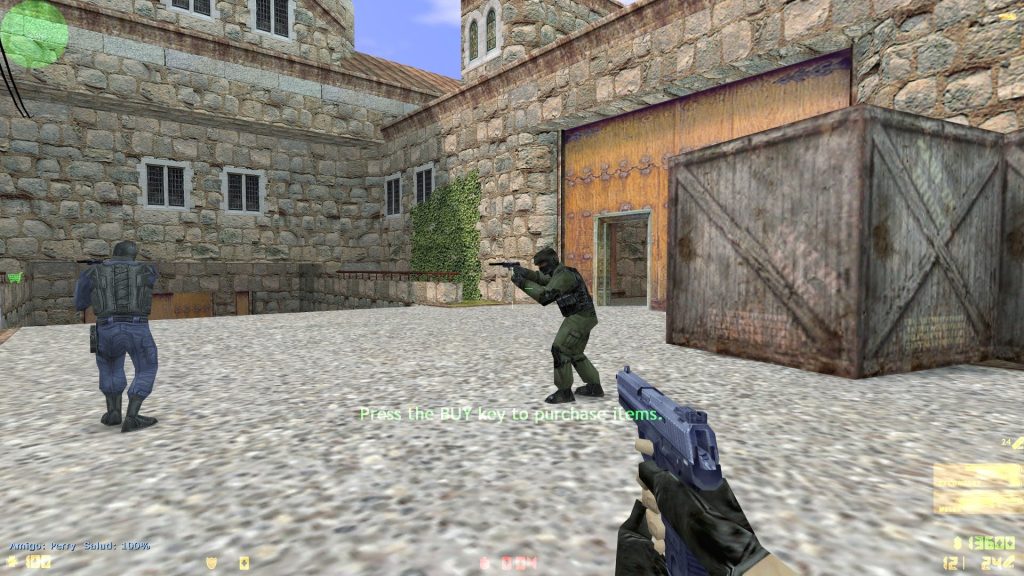
While the Western world was transitioning to high-speed broadband and heavy retail releases, African gamers were busy staging a digital revolution inside cramped LAN cafes. At the absolute center of this chaotic, beautiful movement was one specific masterpiece: Counter-Strike 1.6. You didn’t just play this game; you lived it. It was the catalyst that transformed isolated tech enthusiasts into deeply connected, passionate local networks. Let’s dive into how a tactical shooter built on a legacy GoldSrc engine laid the entire foundation for modern African gaming culture.
How Grassroots Communities Built the Grid
As the local LAN scene expanded, the need for stable infrastructure grew. African gamers couldn’t just log into European or North American servers without experiencing unplayable, game-breaking latency. The solution? They built their own ecosystem from scratch.
This is where the true power of community-driven platforms came into play. Dedicated groups and portals stepped up to provide the lifelines that players needed to keep their skills sharp. Organizations like csget became vital cornerstones of this evolution, actively promoting the game, hosting vital download mirrors, and organizing regional hubs that kept the scene unified. By offering reliable access to customized game builds, configuration optimization guides, and community forums, these platforms bridged the gap between casual players and hardcore competitive teams.
Through these initiatives, player-driven server networks began popping up across Kenya, South Africa, and Nigeria. Gamers pooled their resources to host local servers, creating digital meeting points where lasting friendships – and bitter, intense rivalries – were born. You no longer had to look abroad for high-tier gaming; the community had successfully localized the global esports phenomenon.
The Unique African Esports Flavor and Cultural Impact
African gaming has always possessed a distinct, chaotic energy that sets it apart from the rest of the world. In European or American lobbies, communication is often rigid and highly clinical. In a Kenyan or South African internet cafe, the atmosphere is pure, unadulterated theater.
Trash-talk became an art form, seamlessly blending local dialects, humor, and hyper-fast gaming slang. A successful defusal or an improbable knife kill would trigger absolute uproar across the physical room. This unique cultural environment forced players to develop incredible mental resilience and razor-sharp tactical adaptability.
Moreover, the continent’s contribution to the broader esports landscape started right here. The resourcefulness required to organize tournaments with frequent power fluctuations and limited hardware bred a generation of highly skilled tournament organizers, shoutcasters, and managers who now drive the modern African gaming industry forward.
Why the Legend Lives on Among Kenyan Youth
Go to any major city in Kenya today, and you will find that the love for this classic shooter hasn’t faded one bit. In fact, it is experiencing a fascinating renaissance among the younger generation. But why does a game released decades ago continue to thrive alongside modern battle royales and hyper-realistic shooters?
- The “Run on a Potato” Factor: You can literally launch this game on a low-spec office laptop or an old school desktop. It bypasses the massive financial barrier of modern gaming hardware, making competitive play accessible to absolutely everyone.
- Pure Skill, Zero Pay-to-Win: Modern titles are saturated with predatory microtransactions, battle passes, and heavy paywalls. Here, you get raw, uncompromised tactical gameplay. Your success depends entirely on your recoil control, map awareness, and raw aim.
- Community Devotion: The game continues to evolve because the community refuses to let it stop. Modders, server admins, and platform organizers keep updating maps, anti-cheat measures, and matchmaking systems to keep the experience fresh for newcomers.
For many young Kenyans, it represents the perfect entry point into PC gaming – an affordable, highly competitive, and incredibly addictive playground.
Top 7 Game Mods Ruling African Servers
The longevity of the game relies heavily on its versatility. Local community servers keep things exciting by hosting a wide variety of custom modifications that cater to every style of play, turning a simple tactical shooter into an endless arcade of diverse experiences. If you want to counter strike 1.6 play online, these are the top 7 most popular mods you will encounter across African servers today, complete with their unique local gameplay dynamics:
- Classic Public (5v5 / 10v10): This is the definitive, unchanging competitive experience that started it all. Teams split into Terrorists and Counter-Terrorists to fight over iconic bomb sites on maps like de_dust2 and de_inferno. In African communities, these public servers act as the ultimate social hub. It is where veteran players teach newcomers the basics of economy management, crosshair placement, and standard smoke lineups, preserving the raw, core essence of tactical gaming.
- Deathmatch (DM): If you hate waiting around after dying, this mod is your paradise. It features instant respawns, temporary spawn protection, and a menu that lets you select any weapon in the game immediately. Across local servers, Deathmatch functions as a high-intensity training ground. Players use it to warm up their muscle memory, perfect their spray control with the AK-47, and sharpen their reaction times against a non-stop wave of opponents coming from every angle.
- GunGame: This mod completely transforms the pacing of the game into a frantic, progressive race. Everyone starts the match with a basic Glock, and every single kill you secure instantly rewards you with a new, slightly different weapon. You work your way through shotguns, submachine guns, and rifles. The catch? The final level requires you to get a kill with the combat knife. In crowded cyber cafes, this creates a hilariously tense atmosphere where players actively hunt leaders to steal their levels.
- Zombie Plague: A terrifying, highly entertaining survival modification that feels like an entirely different game. At the start of a round, a random player is chosen to be the patient-zero zombie with massive health and a viral melee attack. The remaining human players must run, build barricades, and utilize specialized laser tripmines or heavy weaponry to hold off the dark horde. It requires intense team coordination, and the panic of being the last human alive makes it a massive favorite for late-night server sessions.
- Geti (Surf): This mod completely discards traditional shooting rules in favor of mastering the unique physics of the GoldSrc engine. Players slide down long, curved concrete ramps, using precise mouse movements and strafe keys to gain incredible amounts of momentum and speed. The goal is to reach the end of the intricate aerial obstacle course without falling into the abyss below. It takes hundreds of hours to master, making it a badge of honor among the community’s movement mechanics specialists.
- Deathrun: A high-stakes game of cat-and-mouse that pits a lone “Activator” against a team of runners. The runners must bunnyhop and sprint through a dangerous obstacle course filled with hidden spinning blades, falling blocks, and sudden pitfalls. The Activator watches from a safe parallel corridor, pressing physical buttons to trigger these traps at the perfect moment. If a runner successfully survives the entire gauntlet, they gain access to a weapon room to exact ultimate revenge on the trap-master.
- Kremerz (KZ): The ultimate, pure test of mechanical movement skill and patience. KZ maps are massive, vertical climbing structures made up of tiny blocks, thin ledges, and long gaps. There are no enemies to shoot; instead, players compete against the server clock to achieve the absolute fastest completion times. It forces you to master advanced movement techniques like multi-strafing, longjumps, and count-jumps, turning the game into a highly competitive digital sport of precision acrobatics.
The Future Frontier of the African Scene
The foundation laid down by early cyber cafes and grassroots hubs has set up a massive launchpad for the future. As internet connectivity expands across the continent via fiber optics and affordable mobile data, the potential for growth is absolutely massive. The lessons learned from managing local server communities are now being applied to build continental leagues, attract major corporate sponsorships, and integrate African teams into global esports circuits.
You are looking at a culture that was built on pure passion, resourcefulness, and a collective love for competition. The spirit of those early, sweaty LAN cafes lives on in every single local discord server and regional online tournament. If you want to truly understand where African esports is going, you have to experience where it all began. Dive back into the server browser, find a low-ping local match, and connect to the community today – the next legendary match is just a click away

