

How to Attract Hummingbirds to a New Feeder

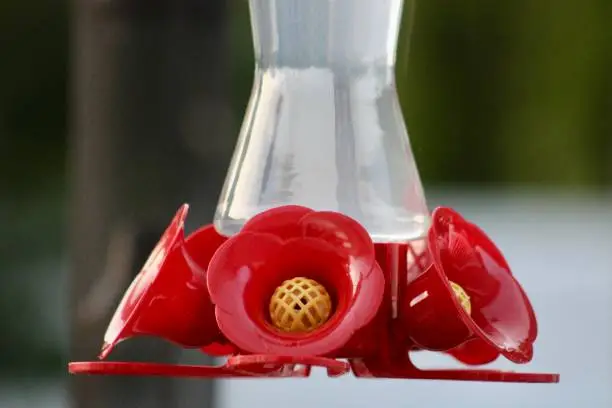
Attracting hummingbirds to a new feeder can be an enjoyable way to bring more wildlife into your garden. These small, colourful birds are attracted to reliable food sources, bright flowers, and safe feeding areas. If you have recently installed a feeder and no birds have visited yet, do not worry. Learning how to attract hummingbirds to a new feeder involves choosing the right location, preparing fresh nectar, and creating an environment where the birds feel safe.
-
Choose the Right Location
Hummingbirds prefer feeders placed in quiet areas where they can easily spot food and watch for potential predators. A suitable location can make your feeder more noticeable.
- Hang the feeder in a sheltered area away from strong winds.
- Place it where you can observe the birds without disturbing them.
- Keep it away from busy walkways and areas with frequent activity.
- Choose a location that is easy to access for cleaning and refilling.
-
Prepare Fresh Nectar
Hummingbirds feed on flower nectar, and a properly prepared sugar-water solution can provide a similar energy source. Fresh nectar helps keep the feeder attractive and reduces the risk of harmful mould or fermentation.
- Mix one part plain white granulated sugar with four parts water.
- Stir until the sugar dissolves completely.
- Allow the mixture to cool before filling the feeder.
- Never add honey, artificial sweeteners, food colouring, or other additives.
-
Keep the Feeder Clean
A dirty feeder can discourage birds and expose them to harmful microorganisms. Regular cleaning is essential, especially in warm weather.
- Clean the feeder before its first use.
- Wash it thoroughly with hot water and a suitable feeder-cleaning brush.
- Replace the nectar every one to two days in hot weather, or sooner if it becomes cloudy or contaminated.
- Rinse the feeder thoroughly after cleaning.
-
Plant Flowers That Attract Hummingbirds
Flowers provide a natural source of nectar and can help make your garden more appealing to hummingbirds.
- Plant tubular, nectar-rich flowers suited to your local climate.
- Choose a variety of flowering plants to provide food over a longer period.
- Avoid pesticides and insecticides because hummingbirds also eat small insects.
- Arrange flowers near the feeder while leaving enough space for birds to approach safely.
-
Make the Feeder Easy to Find
Hummingbirds may take time to discover a new food source, particularly if your garden has not attracted them before.
- Choose a feeder with visible red parts, but avoid adding red dye to the nectar.
- Keep the feeder in the same location while birds become familiar with it.
- If possible, place it near flowering plants that already attract nectar-feeding birds.
- Be patient and avoid repeatedly moving the feeder.
-
Provide Water and Shelter
A wildlife-friendly garden offers more than food. Hummingbirds also need safe places to rest and access to clean water.
- Provide a shallow water source or gentle water mister.
- Maintain shrubs and small trees where birds can perch.
- Keep cats and other potential predators away from feeding areas.
- Leave some natural vegetation to support the small insects hummingbirds eat.
-
Avoid Common Feeding Mistakes
Certain practices can make a feeder less attractive or unsafe for hummingbirds.
- Do not use honey or brown sugar in the nectar.
- Never allow old nectar to remain in the feeder.
- Avoid placing the feeder where predators can easily hide nearby.
- Do not expect birds to arrive immediately, as their presence depends on local species, migration patterns, and available natural food.
-
Be Patient and Observe Regularly
It may take several days or longer for hummingbirds to discover a new feeder. Continue providing fresh nectar, maintaining a clean feeder, and keeping the surrounding area safe. Watch for nearby flowers, perches, and bird activity to determine whether your location is suitable.
Also Read: How to Become a Yoga Instructor

