

How to Avoid Dampness on Walls

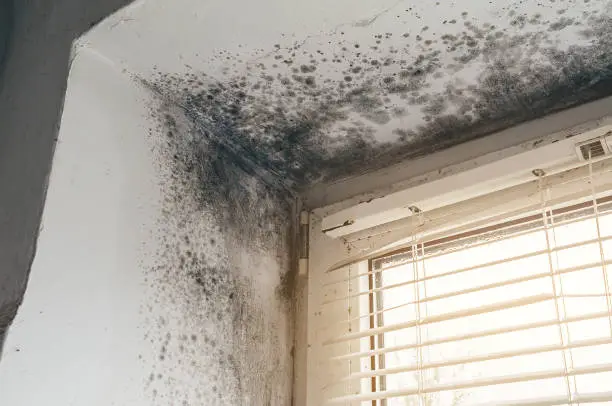
Damp walls can cause peeling paint, mould, unpleasant smells and damage to plaster and furniture. Learning how to avoid dampness on walls involves controlling moisture, improving ventilation and fixing water leaks before they cause serious problems. Whether the dampness comes from condensation, rain, plumbing or rising moisture, identifying the cause early can help keep your walls dry and your home comfortable.
-
Improve Ventilation
Poor ventilation allows moisture to remain trapped indoors and can lead to damp walls. Open windows regularly to allow fresh air to circulate through rooms.
Use ventilation fans in areas such as bathrooms and kitchens where moisture levels are usually higher.
-
Fix Leaking Pipes
Leaking water pipes can cause moisture to build up inside walls. Check plumbing fixtures and pipes regularly for leaks, especially around bathrooms, kitchens and sinks.
Repair leaks as soon as you notice them to prevent further wall damage.
-
Repair Roof Leaks
A damaged roof can allow rainwater to enter the building and make ceilings and walls damp. Check your roof regularly for damaged roofing materials, blocked drainage or other areas where water may enter.
Repair roof problems promptly, particularly before periods of heavy rain.
-
Keep Gutters and Drainage Clear
Blocked gutters can cause rainwater to overflow and run down exterior walls. Over time, this can allow moisture to penetrate the wall.
Clean gutters and drainage channels regularly and make sure rainwater is directed away from the building.
-
Reduce Condensation
Condensation occurs when warm, moist air meets cold surfaces. It is common in bathrooms, kitchens and poorly ventilated bedrooms.
Reduce indoor moisture by opening windows, using extractor fans and avoiding excessive steam.
-
Avoid Drying Clothes Indoors
Wet clothes release moisture into the air as they dry. This can increase indoor humidity and contribute to condensation on walls.
Whenever possible, dry clothes outside or in a well-ventilated area.
-
Use an Extractor Fan in the Kitchen
Cooking produces steam that can increase moisture levels inside your home. An extractor fan can help remove humid air before it settles on walls and other surfaces.
Open a window when appropriate to improve airflow.
-
Keep Bathrooms Well Ventilated
Bathrooms produce significant amounts of moisture from showers and baths. Keep the bathroom ventilated during and after bathing.
Wipe excess water from walls and surfaces and allow the room to dry properly.
-
Leave Space Between Furniture and Walls
Large furniture placed directly against walls can restrict air movement and trap moisture. Leave a small gap between wardrobes, beds and other large items and the wall.
This allows air to circulate and makes it easier to identify damp patches early.
-
Keep Exterior Walls Protected
Cracks in exterior walls can allow rainwater to penetrate the building. Inspect outside walls for cracks, damaged plaster or deteriorating paint.
Seal suitable cracks and maintain the exterior surface to help prevent water from entering.
-
Control Indoor Humidity
High indoor humidity can contribute to condensation and dampness. If your home regularly feels humid, consider using a dehumidifier.
A simple humidity monitor can also help you understand whether moisture levels are consistently high.
-
Avoid Blocking Air Vents
Air vents help move moisture out of the building. Avoid covering or blocking them with furniture, curtains or other objects.
Keep ventilation openings clean and unobstructed so air can circulate properly.
-
Dry Wet Areas Quickly
Water left on floors, windowsills and walls can contribute to moisture problems. Wipe up spills and condensation as soon as possible.
Pay particular attention to bathrooms and kitchens where water is commonly present.
-
Check for Rising Damp
Moisture can sometimes move upward from the ground through walls, particularly in buildings with damaged or inadequate damp-proofing. Signs may include damp patches near the bottom of walls, peeling paint, damaged plaster or a musty smell.
If you suspect rising damp, consider getting a qualified professional to identify the cause and recommend suitable repairs.
-
Treat Mould and Persistent Dampness Promptly
If mould keeps returning or a wall remains damp despite improved ventilation, there may be an underlying structural or plumbing problem.
Do not simply paint over a damp wall. Identify and address the source of the moisture first, then repair and redecorate the affected area.
Also Read: How Long Does Ebola Stay in the Body?

