

How to Avoid Dandruff in Hair Naturally

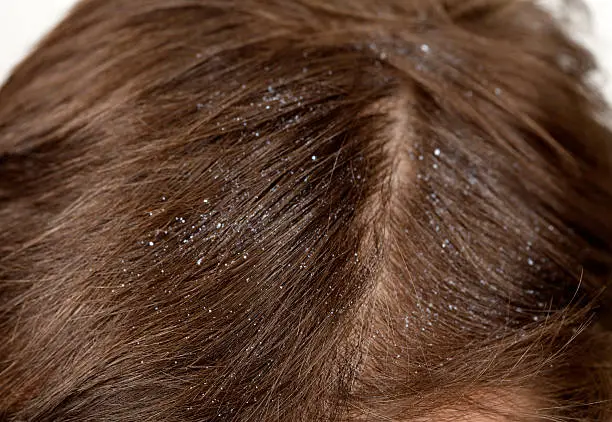
Dandruff can cause visible flakes, scalp itching and discomfort, but healthy hair and scalp habits may help reduce the problem. Learning how to avoid dandruff in hair naturally involves keeping the scalp clean, managing excess oil, avoiding irritating hair products and maintaining a healthy lifestyle. Natural methods may help mild dandruff, although persistent or severe symptoms may require medical treatment.
-
Keep Your Scalp Clean
Regularly washing your hair can help remove excess oil, dead skin cells and product buildup from the scalp.
How often you need to wash your hair depends on your hair type and how oily your scalp becomes.
- Keep the scalp clean
- Avoid allowing heavy buildup to accumulate
- Choose a washing routine that suits your hair
-
Avoid Excessive Use of Hair Products
Hair gels, oils, sprays and other styling products can build up on the scalp and may contribute to irritation or flaking.
Use styling products in moderation and wash your scalp regularly to remove residue.
-
Avoid Scratching Your Scalp
Scratching a flaky or itchy scalp can cause irritation and small skin injuries. It may also make the scalp feel more uncomfortable.
Instead of scratching, gently massage the scalp while washing your hair.
-
Rinse Your Hair Thoroughly
Shampoo and other hair products left on the scalp can cause irritation in some people.
Rinse your hair thoroughly after washing to remove leftover products.
-
Avoid Very Hot Water
Very hot water can dry or irritate the scalp. Use lukewarm water when washing your hair instead.
Gentler water temperatures can help maintain the scalp’s natural moisture.
-
Maintain a Healthy Diet
A balanced diet provides nutrients needed for healthy skin and hair. Include vegetables, fruits, whole grains, protein-rich foods and healthy fats in your meals.
Avoid relying on supplements specifically for dandruff unless a healthcare professional recommends them.
-
Manage Stress
Stress may worsen some scalp conditions and can make itching and other symptoms feel more noticeable.
Find healthy ways to manage stress, such as regular exercise, adequate sleep, relaxation activities and spending time with friends or family.
-
Keep Your Scalp Dry After Washing
Excess moisture and a warm environment can encourage conditions that contribute to scalp problems.
After washing your hair, gently dry your scalp rather than leaving it wet for long periods.
-
Avoid Sharing Hairbrushes and Combs
Sharing personal hair-care items can spread oils, skin cells and microorganisms between people.
Keep your combs, brushes and other personal hair-care tools clean and avoid sharing them.
-
Clean Your Hair Tools Regularly
Hairbrushes, combs, hair clips and other accessories can collect oil, dead skin and styling products.
Clean these items regularly to reduce buildup and keep your hair-care routine more hygienic.
-
Be Careful With Natural Remedies
Some people use ingredients such as aloe vera or diluted oils as part of their scalp-care routine. However, natural does not always mean safe for everyone.
Avoid applying harsh ingredients such as lemon juice, undiluted vinegar or baking soda directly to the scalp because they may cause irritation.
-
Choose Gentle Hair Products
If your scalp is sensitive, strongly fragranced or harsh products may cause irritation.
Choose gentle products that suit your scalp and stop using a product if it causes burning, redness or increased itching.
-
Avoid Excessive Heat and Chemical Treatments
Frequent use of very hot hair tools, relaxers, dyes and other chemical treatments can irritate the scalp in some people.
Give your scalp time to recover between treatments and avoid applying harsh products to an irritated scalp.
-
Get Enough Sleep
Adequate sleep supports overall health and may help the body cope better with stress.
Maintain a regular sleep routine and aim for enough restful sleep each night.
-
Know When to Seek Treatment
If dandruff is severe, persistent or accompanied by redness, swelling, sores, significant hair loss or intense itching, natural methods may not be enough.
A healthcare professional or dermatologist can determine whether the problem is dandruff or another scalp condition and recommend appropriate treatment.
Also Read: How Long Does Ebola Stay in the Body?

