

How to Avoid Hanger Bumps on T-Shirts

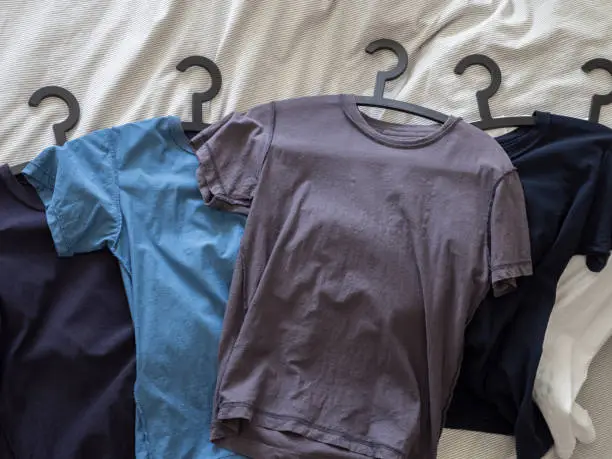
Hanger bumps on T-shirts can make your clothes look stretched, uneven and untidy, especially around the shoulders. These marks often appear when shirts are hung on unsuitable hangers or left hanging for long periods. Learning how to avoid hanger bumps on T-shirts can help you keep your clothes looking smooth and maintain their original shape. With the right storage methods and hangers, you can prevent unwanted shoulder marks and keep your wardrobe organised.
-
Choose the Right Hanger Size
Using a hanger that is too wide can cause the shoulders of your T-shirt to stretch outward, creating noticeable bumps. Choose a hanger that fits comfortably within the shoulder seams.
- Match the hanger width to the shirt size
- Avoid oversized hangers
- Choose smaller hangers for fitted T-shirts
-
Use Wide or Rounded Hangers
Thin, narrow hangers can concentrate the weight of a T-shirt in small areas, creating pointed shoulder marks. Rounded or padded hangers distribute the weight more evenly.
- Choose rounded shoulder edges
- Use padded hangers for delicate fabrics
- Avoid sharp-edged plastic or wire hangers
-
Fold Heavy T-Shirts Instead of Hanging Them
Heavy cotton T-shirts can stretch under their own weight when hung for long periods. Folding them and storing them on a shelf or in a drawer can help preserve their shape.
This is especially useful for thick cotton shirts and oversized T-shirts.
-
Hang T-Shirts Properly
When hanging a T-shirt, make sure the shoulder seams sit naturally along the hanger’s edges.
Avoid pulling the fabric tightly over the ends of the hanger, as this can stretch the shoulders.
-
Avoid Wire Hangers
Wire hangers are often too narrow and may create sharp pressure points around the shoulders. They can also bend under the weight of heavier clothing.
Replace them with smooth plastic, wooden or padded hangers that support the garment more evenly.
-
Do Not Overload Your Wardrobe
Crowding too many clothes onto one rail can cause T-shirts to become squeezed, stretched or misshapen.
Leave enough space between garments so they hang naturally without being pressed tightly together.
-
Remove T-Shirts From Hangers When Not Needed
If you do not wear a particular T-shirt frequently, consider folding it instead of leaving it on a hanger for months.
Long-term hanging can be especially problematic for loose-fitting or heavy shirts.
-
Use Fabric-Friendly Hangers
Choose hangers with smooth surfaces that will not snag or stretch the fabric.
Velvet-covered hangers can provide grip, while padded hangers offer additional cushioning for delicate garments.
-
Hang T-Shirts Through the Bottom Opening
If the neck opening is small or the fabric stretches easily, you can sometimes slide the hanger through the bottom opening instead of pulling it through the neckline.
This reduces stretching around the collar, although the hanger should still fit the shoulders correctly.
-
Avoid Hanging Wet T-Shirts
Wet fabric is often heavier and may stretch more easily. Allow T-shirts to dry properly before hanging them in the wardrobe.
For delicate or heavy shirts, drying them flat may help preserve their shape.
-
Smooth Out Existing Hanger Bumps
If hanger bumps have already appeared, gently reshape the shoulders with your hands. You can then use a garment steamer or an iron on the appropriate fabric setting, following the care label.
Avoid applying excessive heat, especially to synthetic fabrics.
-
Store Delicate T-Shirts Carefully
T-shirts made from lightweight knits, stretchy materials or delicate fabrics may lose their shape more easily.
Fold these garments neatly or use padded hangers designed to distribute their weight.
-
Check Your Hangers Regularly
Inspect your wardrobe hangers for cracks, sharp edges, bends or rough surfaces.
Replace damaged hangers that could stretch or damage your T-shirts.
-
Choose Storage Methods Based on Fabric Weight
Lightweight T-shirts may hang well on properly sized hangers, while heavy cotton shirts are often better folded.
Choosing the right storage method for each garment helps maintain its shape over time.
-
Maintain Your T-Shirts Properly
Follow the washing and drying instructions on each T-shirt’s care label. Avoid excessive heat and unnecessary stretching when handling the fabric.
Combining proper washing, drying and storage habits can help keep your shirts looking neat for longer.
Also Read: How to Avoid Dampness on Walls

