

How to Avoid Hiccups in Newborn

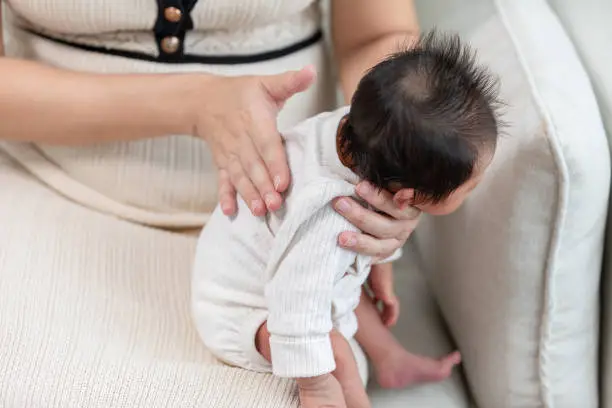
Hiccups are very common in newborn babies and usually do not mean that something is wrong. They can happen during or after feeding when a baby swallows air, feeds quickly or has a full stomach. Although it may be worrying for new parents, most newborn hiccups stop naturally. Learning how to avoid hiccups in newborn babies involves using calm feeding techniques, helping the baby burp and avoiding overfeeding. Simple changes to feeding routines can help reduce how often hiccups occur.
-
Feed the Baby Before They Become Extremely Hungry
A very hungry baby may feed quickly and swallow more air. Feeding your newborn when they show early hunger cues can help them remain calmer during feeding.
Watch for signs such as rooting, lip smacking or becoming more alert.
- Respond to early hunger cues
- Avoid waiting until the baby is extremely hungry
- Feed in a calm environment
- Allow the baby to feed at a comfortable pace
-
Feed Slowly and Calmly
Feeding too quickly can cause a baby to swallow more air, which may contribute to hiccups and discomfort.
If your baby is bottle-fed, make sure the feeding position and nipple flow are appropriate.
- Keep the baby calm during feeding
- Avoid rushing the feed
- Watch the baby’s sucking and swallowing
- Pause when the baby needs a break
-
Burp Your Baby During and After Feeding
Burping can help release swallowed air. For breastfeeding, you can try burping when changing breasts. For bottle-feeding, burping every 60 to 90 ml can be helpful.
However, not every baby needs to burp after every feed, so do not force it.
- Hold the baby upright
- Support the head and neck
- Gently pat or rub the back
- Give the baby a short opportunity to burp
-
Keep the Baby Upright After Feeding
After feeding, holding the baby upright for a short period may help reduce swallowed air and spit-up.
Always supervise the baby while holding them upright.
- Keep the baby’s head supported
- Hold the baby upright after feeding
- Avoid putting pressure on the stomach
- Keep the baby comfortable and calm
-
Avoid Overfeeding
A very full stomach may contribute to hiccups. Pay attention to signs that your baby has had enough, such as slowing down or stopping sucking or turning their head away.
Do not force a baby to finish a bottle or continue feeding when they show signs of fullness.
-
Take Short Feeding Breaks
If your baby is feeding very quickly, taking a short pause can give them an opportunity to relax and reduce the amount of air they swallow.
During a pause, you can hold the baby upright and see whether they need to burp.
- Pause when the baby needs one
- Hold the baby upright
- Allow the baby to settle
- Resume feeding when comfortable
-
Stay Calm When Hiccups Begin
Newborn hiccups often bother parents more than they bother the baby. If your baby is comfortable, breathing normally and feeding well, there may be no need to try to stop every episode.
If hiccups occur during feeding, you can pause, change the baby’s position and try to burp them.
-
Avoid Unnecessary Hiccup Remedies
Do not give a newborn water, sugar, lemon, herbs or other home remedies to stop hiccups unless a healthcare professional specifically recommends them.
Newborn babies have very specific feeding and fluid requirements, so breast milk or appropriately prepared infant formula should remain the focus of feeding.
- Do not give water to stop hiccups
- Avoid herbal remedies
- Avoid sugar or other substances
- Do not use unproven treatments
-
Use Safe Feeding Positions
Keep your baby’s head and upper body appropriately supported during feeding. A comfortable position can make it easier for the baby to coordinate sucking, swallowing and breathing.
If you are breastfeeding and your milk flow is very fast, speak with a healthcare professional or lactation specialist if your baby frequently coughs, pulls away or struggles during feeds.
-
Avoid Putting Pressure on the Baby’s Stomach
After feeding, avoid tight clothing or anything that places unnecessary pressure on the baby’s abdomen.
Gentle handling can help reduce discomfort, especially if your baby is prone to spit-up.
- Avoid tight clothing
- Handle the baby gently after feeding
- Avoid rough movement immediately after feeding
- Keep the baby comfortable
-
Put Your Baby to Sleep Safely
If your newborn falls asleep after feeding, always follow safe-sleep practices. Even if the baby has hiccups or spits up, the safest sleeping position is on their back on a firm, flat sleep surface.
Do not prop up the mattress or place pillows under the baby to try to prevent hiccups or reflux.
-
Know When to Seek Medical Advice
Occasional hiccups are generally normal in newborns. However, contact a healthcare professional if hiccups are accompanied by problems such as repeated forceful vomiting, poor feeding, poor weight gain, breathing difficulties or unusual behavior.
For a newborn, particularly one under one month old, seek medical advice if the baby looks or acts unwell.
Also Read: How to Avoid a Hangover After Drinking