

How to Avoid Itching After Shaving

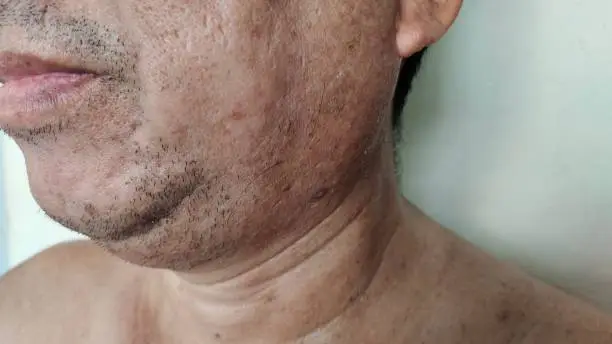
Learning how to avoid itching after shaving can help keep your skin comfortable, smooth and healthy. Itching after shaving is often caused by skin irritation, razor burn, dryness or ingrown hairs. Shaving can also irritate hair follicles, particularly when the razor is dull, too much pressure is applied or hair is shaved against its natural direction. Dermatologists recommend using proper shaving techniques, moisturizing the skin and keeping razors clean to reduce irritation and razor bumps.
-
Wash Your Skin Before Shaving
Start by gently cleaning the area you plan to shave. Removing sweat, oil and dirt can help prepare the skin and reduce the chance of irritation.
Use a gentle cleanser rather than harsh soaps, particularly if you have sensitive skin. Clean skin also helps reduce the amount of debris that can accumulate around the razor.
-
Shave After a Warm Shower
Shaving after a warm shower can make the process more comfortable because water softens both the hair and skin.
Softened hair is easier for the razor to cut, which can reduce the amount of pulling and pressure required. The American Academy of Dermatology recommends wetting the skin and hair before shaving.
-
Use Shaving Cream or Gel
Avoid dry shaving if your skin is prone to itching. Apply a moisturizing shaving cream or gel to the area before using the razor.
If you have dry or sensitive skin, choose a product designed for sensitive skin. Allowing the shaving cream to remain on the hair briefly can help soften it further.
-
Shave in the Direction of Hair Growth
One of the most important ways to avoid itching after shaving is to shave in the direction in which the hair naturally grows.
Shaving against the grain can provide a very close shave, but it can also increase irritation and the likelihood of razor bumps and ingrown hairs.
-
Avoid Pressing the Razor Too Hard
Use gentle pressure when shaving. Pressing the razor firmly against the skin can cause small amounts of irritation and may contribute to razor burn.
Use controlled strokes rather than repeatedly passing over the same area. This is particularly important when shaving sensitive areas.
-
Use a Clean and Sharp Razor
A dull or dirty razor can increase irritation. Replace disposable blades regularly and keep reusable razors clean.
The American Academy of Dermatology recommends replacing a disposable razor after about five to seven shaves and storing the razor in a dry place between uses.
-
Rinse the Skin After Shaving
Once you have finished shaving, rinse the area gently to remove shaving cream, loose hair and other residue.
Avoid scrubbing the freshly shaved skin because it may already be sensitive. Pat the area dry using a clean, soft towel instead of rubbing it vigorously.
-
Apply a Fragrance-Free Moisturizer
Shaving can leave the skin dry and irritated. Applying a fragrance-free moisturizer after shaving can help maintain the skin’s moisture and reduce dryness-related itching.
The American Academy of Dermatology recommends fragrance-free moisturizers for irritated or itchy skin and recommends moisturizing after shaving.
-
Use a Cool Compress if Your Skin Feels Irritated
If your skin starts itching or burning immediately after shaving, place a clean, cool, damp cloth over the area for several minutes.
A cool compress can help soothe irritated skin. Avoid scratching because scratching can further irritate the skin and potentially damage the surface.
-
Avoid Tight Clothing After Shaving
If you have shaved areas such as your legs, underarms or bikini area, avoid tight clothing immediately afterward when possible.
Friction between clothing and freshly shaved skin can worsen irritation. Tight clothing can also contribute to irritation of hair follicles.
-
Do Not Scratch or Pick the Skin
Itching can create an urge to scratch, but doing so may make irritation worse.
Avoid picking at small bumps or attempting to remove ingrown hairs aggressively. If you repeatedly develop razor bumps, changing your shaving technique or discussing the problem with a dermatologist may help.
-
Consider Changing Your Hair-Removal Method
If shaving consistently causes severe itching, razor bumps or ingrown hairs, consider whether another hair-removal method may work better for your skin.
Some people may experience fewer problems by trimming rather than shaving very closely. If persistent bumps or irritation continue despite changing your shaving habits, a dermatologist can determine whether you have razor bumps, folliculitis or another skin condition.
Also Read: How to Integrate Grammarly to Word

