

How to Avoid Scammers Online

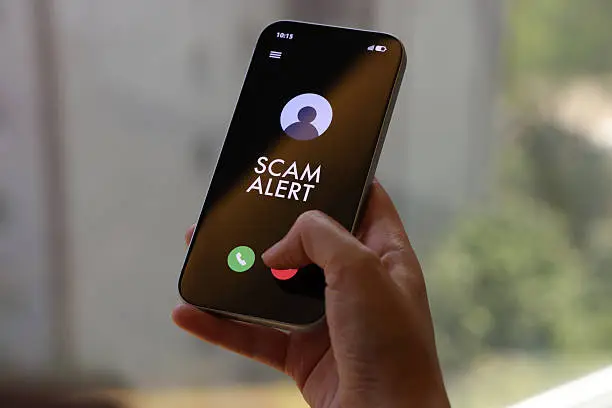
Knowing how to avoid scammers online is important as more people use the internet for shopping, banking, job hunting, investments, social media, and communication. Online scammers use fake websites, messages, social media profiles, job advertisements, investment offers, and impersonation tricks to steal money or personal information. Learning to recognise common warning signs can help you protect yourself and your online accounts.
-
Do Not Trust Unexpected Messages
Be careful when you receive an unexpected email, SMS, WhatsApp message, or social media message asking you to click a link, send money, or provide personal information.
Scammers may pretend to be banks, government departments, delivery companies, employers, friends, or relatives.
- Check who sent the message
- Do not click suspicious links
- Avoid responding with personal information
- Verify unexpected requests independently
-
Never Share Your Password or OTP
Your password, PIN, and one-time password are private security information.
Never share an OTP or banking PIN with someone who contacts you, even if they claim to represent your bank or another trusted organisation.
- Keep passwords confidential
- Never share OTPs
- Do not reveal banking PINs
- Avoid sending security codes through WhatsApp or SMS
-
Check a Website Before Making a Payment
Before entering your card or banking details on a website, check that you are using the legitimate website.
Scammers can create websites that look similar to genuine businesses and use them to collect payment or login information.
- Check the website address carefully
- Look for unusual spelling in the domain
- Research the business
- Avoid unfamiliar payment pages
-
Be Careful With Offers That Are Too Good to Be True
Very cheap products, guaranteed investment profits, unexpected prizes, and jobs promising unusually high salaries can be warning signs.
Take time to investigate an offer instead of making a quick decision because someone is putting pressure on you.
- Question unrealistic promises
- Compare prices
- Research investment opportunities
- Avoid guaranteed returns
-
Verify Businesses and Individuals
If someone claims to represent a company, bank, employer, or government organisation, verify their identity independently.
Do not rely solely on a phone number, email address, or website provided by the person who contacted you.
- Find the organisation’s official contact details
- Contact the organisation directly
- Verify the person’s identity
- Confirm payment instructions before paying
-
Be Careful When Shopping Online
Research an online seller before making a purchase.
Be particularly cautious when a seller demands immediate payment, refuses secure payment methods, has no reliable contact information, or offers products at unusually low prices.
- Research the seller
- Check reviews carefully
- Use reputable payment methods
- Keep proof of payment
-
Be Suspicious of Online Job Offers
Fake job advertisements are commonly used to collect personal information or demand upfront payments.
A legitimate employer should not normally require you to pay a large fee simply to obtain a job.
- Research the employer
- Verify the vacancy on the company’s official website
- Be cautious about registration fees
- Never send sensitive documents to unverified recruiters
-
Protect Your Social Media Accounts
Use strong and unique passwords for your social media accounts and enable two-factor authentication where available.
Avoid sharing excessive personal information that scammers could use to impersonate you.
- Use strong passwords
- Enable two-factor authentication
- Review your account security
- Be careful about unknown friend requests
-
Do Not Send Money Under Pressure
Scammers often create a sense of urgency by claiming that an emergency has occurred or that you will lose an opportunity if you do not pay immediately.
Stop and independently verify the situation before sending money.
- Take time to think
- Verify emergencies independently
- Do not allow someone to pressure you
- Discuss suspicious requests with someone you trust
-
Act Quickly If You Have Been Scammed
If you have already sent money or provided sensitive information, act immediately.
Contact your bank or payment provider, secure your affected accounts, change compromised passwords, and keep evidence of the scam.
- Contact your bank immediately
- Change compromised passwords
- Block suspicious contacts
- Keep screenshots and payment records
- Report the scam to the appropriate authorities
Also Read: How to Check If You Are Being Tracked on WhatsApp

