

How to Avoid Vomiting During Pregnancy

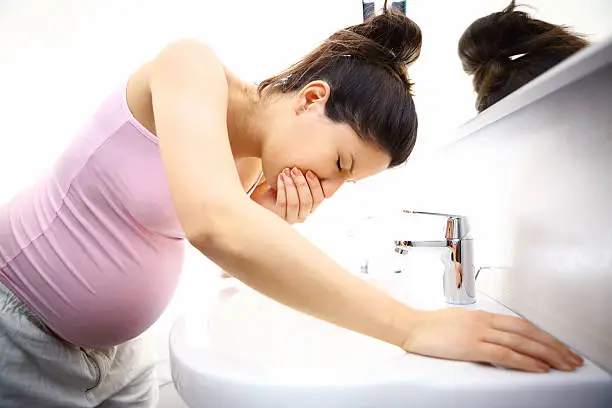
Nausea and vomiting are common during pregnancy, particularly during the early weeks. Although often called morning sickness, nausea can occur at any time of the day or night. Learning how to avoid vomiting during pregnancy can help you manage nausea and make daily activities more comfortable. Simple changes such as eating small meals, avoiding triggers, getting enough rest, and drinking fluids regularly may help reduce symptoms.
-
Eat Small, Frequent Meals
Eating large meals can make nausea worse. Instead, try eating smaller amounts more frequently throughout the day.
Simple foods such as bread, rice, crackers, potatoes, and pasta may be easier to tolerate.
- Eat small portions
- Avoid allowing your stomach to become completely empty
- Eat slowly
-
Keep a Snack Beside Your Bed
Some women find that eating a plain biscuit, cracker, or piece of dry toast before getting out of bed can help reduce morning nausea.
Keep a small snack within reach so you can eat something before standing up.
- Keep crackers near your bed
- Eat slowly
- Wait a short while before getting up
-
Sip Fluids Frequently
Drinking fluids in small amounts throughout the day may be easier to tolerate than drinking a large amount at once.
If you feel sick, take small sips and gradually increase the amount as you tolerate it.
- Sip water regularly
- Avoid drinking large amounts at once
- Keep a bottle of water nearby
-
Avoid Foods and Smells That Trigger Nausea
Certain smells, foods, or cooking odors can make pregnancy nausea worse.
Identify your triggers and avoid them whenever possible.
- Stay away from strong food smells
- Avoid foods that consistently make you sick
- Ask someone else to prepare meals if cooking triggers nausea
-
Choose Cold Foods When Necessary
Some women find cold foods easier to tolerate because they may have less smell than hot meals.
Try foods such as chilled fruit, yogurt, sandwiches, or other foods that you normally tolerate.
- Try cold meals
- Avoid very strong-smelling hot foods
- Choose foods that you can comfortably tolerate
-
Try Ginger
Ginger may help reduce nausea and vomiting for some pregnant women. You can try ginger tea or foods containing ginger.
If you are considering concentrated ginger supplements, speak with your healthcare professional or pharmacist first.
- Try ginger tea
- Add small amounts of ginger to food
- Ask about supplements before taking them
-
Get Plenty of Rest
Tiredness can make nausea worse, particularly during early pregnancy.
Try to get enough sleep and take breaks when you feel exhausted.
- Maintain a regular sleep routine
- Rest during the day when necessary
- Avoid overexertion
-
Get Fresh Air
Fresh air may help when you feel nauseous, especially if heat or strong smells are making the symptoms worse.
Open a window or take a gentle walk if you feel well enough.
- Keep rooms well ventilated
- Move away from unpleasant smells
- Take gentle outdoor walks when comfortable
-
Avoid Greasy and Spicy Foods
Fried, greasy, or spicy foods may make nausea worse for some women.
Choose simple meals that are relatively low in fat when you are experiencing significant nausea.
- Limit fried foods
- Avoid foods that trigger your symptoms
- Choose plain meals when necessary
-
Avoid Drinking Large Amounts With Meals
Some women find that drinking a lot of fluid while eating makes them feel more nauseous.
Try drinking fluids between meals instead, while still making sure you stay hydrated.
- Take fluids between meals
- Sip rather than gulp
- Continue drinking regularly throughout the day
-
Consider Acupressure
Some women find that acupressure wristbands help relieve pregnancy-related nausea.
They are a non-drug option, although they may not work for everyone.
- Consider an acupressure wristband
- Use it according to its instructions
- Stop if it causes discomfort
-
Ask About Pregnancy-Safe Anti-Sickness Medicine
If lifestyle changes are not enough and nausea or vomiting is interfering with your daily activities, speak with your doctor, midwife, or other qualified healthcare professional.
There are anti-sickness medicines that can be used during pregnancy when medically appropriate.
- Do not self-medicate
- Ask about pregnancy-safe options
- Tell your healthcare provider how often you are vomiting
-
Watch for Signs of Dehydration
Frequent vomiting can cause dehydration. Signs may include very dark urine, passing urine less often, excessive thirst, weakness, dizziness, or feeling faint.
If you are struggling to keep fluids down, seek medical advice rather than waiting for the problem to become severe.
- Monitor your urine
- Drink small amounts frequently
- Seek help if dehydration symptoms develop
-
Know the Signs of Severe Pregnancy Sickness
Very severe vomiting can be a condition called hyperemesis gravidarum. It can cause dehydration, weight loss, and difficulty keeping food or fluids down and may require medical treatment.
Contact your healthcare provider if you cannot keep food or fluids down, are losing weight, feel very weak or dizzy, or are vomiting frequently.
- Do not ignore persistent vomiting
- Report significant weight loss
- Seek help if you cannot keep fluids down
-
Seek Urgent Medical Attention When Necessary
Seek urgent medical assessment if you vomit blood, have severe abdominal pain, develop a high temperature, become very dizzy or faint, or have other concerning pregnancy symptoms.
Vomiting can sometimes have causes other than normal pregnancy sickness, so severe or unusual symptoms should be evaluated.
Also Read: How to Change Wallpaper on Laptop

