

How to Become a Pilot in Kenya

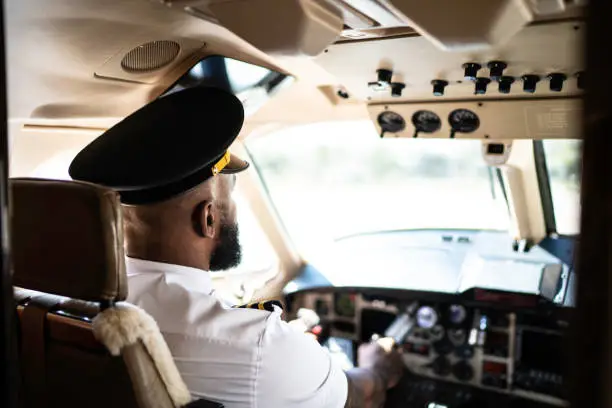
Becoming a pilot in Kenya is an exciting career path for people interested in aviation, travelling, and operating aircraft. If you want to know how to become a pilot in Kenya, you need to understand the required qualifications, medical examinations, flight training, and licensing process. Whether your goal is to fly privately, work for a commercial airline, or become an airline captain, the journey begins with choosing an approved flight school and meeting the requirements set by the Kenya Civil Aviation Authority (KCAA).
-
Decide What Type of Pilot You Want to Become
Before enrolling in flight training, decide which type of flying interests you most.
- Private pilot: Flies for personal purposes without being paid for piloting services.
- Commercial pilot: Can fly professionally for compensation or hire within the privileges of the licence.
- Airline pilot: Works towards the qualifications and experience required to operate aircraft for airlines.
Your career goal will determine the training and licences you need.
-
Meet the Basic Entry Requirements
The requirements depend on the type of licence you want to obtain. For a Kenyan Private Pilot Licence (PPL), applicants generally must be at least 17 years old, while a Commercial Pilot Licence (CPL) requires applicants to be at least 18.
- Complete your secondary education and check the school’s academic entry requirements.
- Develop good English communication skills.
- Be prepared to study mathematics, physics, navigation, and aviation theory.
- Confirm the exact admission requirements with your chosen flight school.
-
Complete an Aviation Medical Examination
Pilots must meet the applicable medical standards to obtain and maintain their licences.
- A PPL generally requires a valid Class 2 medical certificate.
- A CPL requires a valid Class 1 medical certificate.
- Airline Transport Pilot Licence (ATPL) privileges also require a Class 1 medical certificate.
Arrange your medical assessment through the appropriate aviation medical process before committing to substantial training costs.
-
Enrol in a KCAA-Approved Flight School
Choose a flight school approved by the Kenya Civil Aviation Authority to provide the training you need. Compare its facilities, instructors, aircraft availability, safety procedures, training schedule, and total fees.
Some schools include Kenya School of Flying, Flight Training Centre, Ninety Nines Flying School, and Standards Aviation. Confirm current approval and course availability directly with KCAA before enrolling.
-
Obtain a Private Pilot Licence
The PPL is the usual foundation for someone pursuing a professional aeroplane-pilot career.
During training, you learn basic aircraft handling, navigation, aviation regulations, weather interpretation, and flight safety.
- Complete the required ground-school lessons.
- Undertake supervised flight training.
- Pass the required knowledge examinations.
- Meet the flight-experience requirements.
- Pass the required practical flight test.
The minimum flight-hour requirement for an aeroplane PPL is generally 40 hours, although the actual time needed to become proficient may be higher.
-
Train for a Commercial Pilot Licence
If you want to earn money as a pilot, the CPL is a major milestone. It builds on the foundational skills acquired during private pilot training.
- Complete the required commercial-pilot ground training.
- Build the required flight hours and experience.
- Pass the prescribed knowledge examinations.
- Complete the required practical flight test.
- Meet the medical and English-language proficiency requirements.
-
Obtain Additional Ratings if Required
Depending on your intended career, you may need additional training beyond the CPL.
- Instrument Rating (IR): Develops the skills needed to fly under instrument flight rules.
- Multi-engine rating: Qualifies you to operate eligible multi-engine aircraft.
- Aircraft type rating: Provides training and qualification for a particular aircraft type where required.
The ratings you need depend on the jobs you plan to pursue and the aircraft you intend to operate.
-
Build Experience and Apply for Pilot Jobs
After obtaining the appropriate licences and ratings, look for opportunities that match your qualifications and experience.
- Prepare a professional aviation CV.
- Keep your licence, medical certificate, and logbook current.
- Apply to airlines, charter operators, cargo companies, or other aviation employers.
- Prepare for technical assessments, interviews, and simulator checks where required.
Some pilots gain experience through flight-instruction or other entry-level aviation roles, depending on their qualifications and available opportunities.
-
Work Towards an Airline Transport Pilot Licence
The ATPL is an advanced licence associated with higher levels of airline-pilot responsibility. Applicants generally need to be at least 21 years old and meet the applicable medical, knowledge, flight-experience, and practical-test requirements.
Continue building experience, maintain professional standards, and complete the additional qualifications required for your intended airline position.
-
Plan Your Training Budget Carefully
Pilot training can be expensive because it includes aircraft hire, instructor fees, examinations, medical assessments, and other training expenses.
- Request a detailed fee breakdown from several approved schools.
- Ask whether the quoted amount includes the required flight hours and examinations.
- Budget for accommodation, transport, equipment, and possible additional flight hours.
- Investigate legitimate scholarships, sponsorships, or aviation training financing.
- Avoid paying large sums before verifying the school and its approval status.
The total cost and duration depend on the school, aircraft category, training pace, and licence pathway.
Also Read: How to Collaborate on YouTube

