

How To Become An Electrician

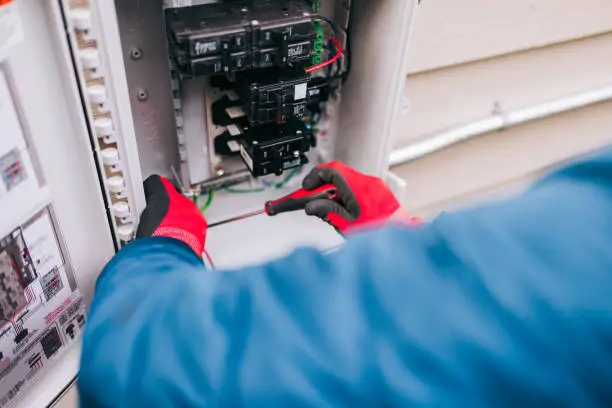
Electricians play a vital role in modern society by installing, repairing, and maintaining electrical systems in homes, businesses, and industries. With the increasing demand for reliable electricity and the growth of technology, the profession offers stable employment and opportunities for self-employment. If you enjoy working with your hands, solving problems, and ensuring safety, becoming an electrician can be a rewarding career path. However, it requires proper training, qualifications, and dedication. Here is how to become an electrician.
Understand the Work of an Electrician
Before pursuing this career, it is important to know what the job entails. Electricians are responsible for wiring buildings, fixing electrical faults, and ensuring systems meet safety standards. They may specialize in residential, commercial, or industrial electrical work. The role requires precision, knowledge of electrical codes, and the ability to troubleshoot complex problems.
Obtain the Necessary Education
To start your journey, you typically need at least a high school certificate or equivalent, with a strong background in subjects like mathematics and physical science. These subjects are useful because the work of an electrician involves technical calculations and understanding how electricity flows.
After completing school, aspiring electricians often join a technical college or vocational training center. Many institutions offer courses in electrical engineering or related fields that cover the basics of electrical systems, wiring, and safety practices.
Complete an Apprenticeship or Learnership
Practical experience is an essential part of becoming an electrician. In many countries, including South Africa, you must complete an apprenticeship or learnership program. These programs combine classroom learning with hands-on training under the supervision of qualified electricians. Apprenticeships usually take between three and four years and prepare you for real-world work.
Get Licensed and Certified
Electricians must be licensed before they can work independently. After completing training and an apprenticeship, you will be required to pass a trade test. In South Africa, for example, this is overseen by the Department of Employment and Labour. Once you pass, you receive a wireman’s license, which legally allows you to perform electrical work. Licensing ensures that you are competent and able to work safely according to regulations.
Develop Important Skills
Beyond technical knowledge, electricians need several key skills. Attention to detail is vital for identifying and fixing electrical faults. Problem-solving skills help when diagnosing complex issues. Good communication and teamwork are also necessary because electricians often work with contractors, engineers, and clients. Physical fitness and manual dexterity are beneficial since the job sometimes requires climbing, bending, and lifting.
Stay Updated with Technology and Safety Standards
The electrical field is constantly evolving with new technologies, such as renewable energy systems and smart home devices. To remain competitive, electricians should continue learning through workshops, short courses, and professional development programs. Staying informed about safety regulations and electrical codes is equally important to ensure compliance and protect lives.
Also Read: How To Become An Accountant