

How to Bleed a Cooling System

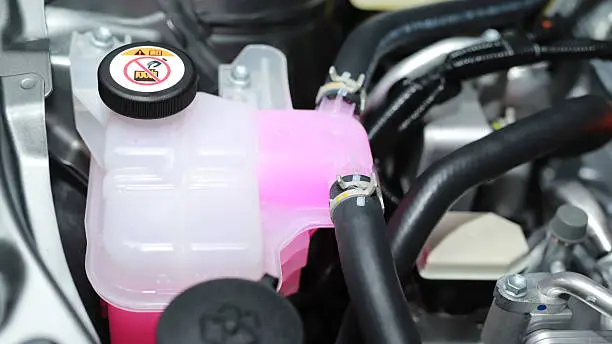
Air trapped in a vehicle’s cooling system can prevent coolant from circulating properly, leading to engine overheating, poor heater performance, and potential engine damage. Bleeding the cooling system removes trapped air and ensures coolant flows efficiently through the engine and radiator. Learning how to bleed a cooling system can help maintain the correct engine temperature and improve your vehicle’s overall performance.
-
Allow the Engine to Cool Completely
Before working on the cooling system, make sure the engine is completely cool.
Opening the radiator or coolant reservoir while the engine is hot can release pressurized coolant and cause serious burns.
- Park the vehicle on a level surface
- Turn off the engine and allow it to cool
- Wear protective gloves and safety glasses
-
Check and Fill the Coolant
Locate the radiator cap or coolant reservoir and check the coolant level.
If necessary, top up the system with the coolant recommended by your vehicle’s manufacturer.
- Use the correct type of coolant
- Fill to the recommended level
- Check for visible leaks before proceeding
-
Start the Engine and Let It Reach Operating Temperature
Start the engine with the radiator cap or bleed valve handled according to your vehicle manufacturer’s instructions.
Set the heater to its hottest setting to allow coolant to circulate through the heater core.
- Turn the heater to maximum heat
- Let the engine idle until it reaches normal operating temperature
- Monitor the coolant level as air escapes
-
Release Trapped Air
If your vehicle has a bleed screw or bleed valve, open it carefully while the engine is running, following the manufacturer’s procedure.
Allow trapped air to escape until a steady flow of coolant without air bubbles appears, then securely close the bleed screw. On vehicles without a bleed screw, air may escape naturally through the radiator or expansion tank as the engine warms up.
- Follow your vehicle manufacturer’s bleeding procedure
- Watch for air bubbles leaving the system
- Close the bleed screw securely when complete
-
Recheck the Coolant Level
After the engine has cooled again, inspect the coolant level and top it up if necessary.
Take the vehicle for a short drive while monitoring the temperature gauge to ensure the cooling system is operating normally.
- Refill coolant if the level has dropped
- Check for coolant leaks
- Confirm the engine maintains a normal operating temperature
Also Read: How to Become an Investment Banker in South Africa