

How To Build A Smart Outdoor Play Space At Home: Tech, Safety & Setup Tips

How To Build A Smart Outdoor Play Space At Home
Building an outdoor play space is one of the best investments you can make in your home and family life. Beyond the joy it brings to kids, a thoughtfully designed backyard playground encourages physical activity, creativity, and time spent outdoors. Many families today choose to upgrade these spaces with innovative tools and connected features for added fun and safety. Whether you’re shopping for equipment from Swing Set Mall or planning to DIY your setup, combining technology with smart design can turn your backyard into a safe, engaging, and future-ready play zone.
Why Outdoor Play Matters More Than Ever
In an increasingly digital world, children spend more time indoors and on screens than ever before. Yet outdoor play remains essential for their development, it builds balance, coordination, problem-solving skills, and emotional resilience. A well-planned backyard playground offers a secure environment where kids can explore, experiment, and grow.
The difference today is that modern parents can blend traditional play with smart features, tools that enhance supervision, safety, and engagement. Technology, when used intentionally, doesn’t replace the joy of outdoor play; it amplifies it.
Step 1: Plan The Space With Safety First
Before thinking about gadgets or fancy add-ons, the foundation of every great play space is safety.
- Measure your space carefully: Allow at least six feet of clearance around swings and slides.
- Choose level ground: Avoid sloped or uneven surfaces that could cause equipment to tilt.
- Use protective surfacing: Rubber mulch, sand, or engineered wood fiber helps cushion falls.
- Inspect regularly: Check bolts, joints, and ropes for wear and tear, especially in changing weather.
Many modern playground kits include built-in safety features such as rounded edges and anti-pinch hinges, but homeowners should still perform monthly checks. Safety begins with design and continues with maintenance.
Step 2: Add Smart Tech For Better Monitoring
Parents today have access to smart home devices that make playtime safer and more convenient. Integrating these technologies ensures you can monitor your children without hovering over them.
- Smart cameras: Compact Wi-Fi cameras provide discreet visibility, letting you check in through your phone. Some models offer motion alerts when kids leave designated play zones.
- Sensor-based lighting: Solar or motion-activated lights keep the area visible at dusk, promoting longer and safer play sessions.
- Weather trackers: Small outdoor sensors can notify you when it’s too hot, cold, or windy for safe play.
- Smart speakers: Voice assistants placed near the patio can help you call kids in for breaks or control lighting hands-free.
According to the Consumer Product Safety Commission, around 200,000 playground-related injuries occur annually in the U.S., many preventable through proper supervision and environment design. Smart monitoring tools give parents peace of mind while encouraging kids’ independence.
Step 3: Design For Engagement And Creativity
A play space should grow with your children. Instead of installing equipment that only entertains for a season, think about adaptable setups that support long-term fun and learning.
- Modular play systems: These can be expanded with additional swings, climbing walls, or slides as children grow.
- Interactive zones: Create areas for both active and imaginative play, such as a sandbox next to a treehouse or art station.
- Natural elements: Incorporate greenery, stepping stones, or small garden beds. They add sensory diversity and teach children to care for their environment.
- Digital-free challenges: Pair smart tech with unplugged fun, like obstacle courses, scavenger hunts, or balance games.
The best playgrounds blend technology with imagination, ensuring kids engage their bodies and minds simultaneously.
Step 4: Make Maintenance Effortless
Smart doesn’t only mean digital, it means designing with efficiency in mind. To keep your outdoor space safe and beautiful:
- Opt for weather-resistant materials such as powder-coated metal, cedar, or composite plastics.
- Use smart irrigation systems to maintain grass or plants around the play zone without manual watering.
- Store toys and accessories in waterproof outdoor bins to reduce clutter and prevent mold.
- Schedule seasonal cleanups, wash slides, tighten bolts, and oil moving parts before heavy use in summer.
An organized, well-maintained play area saves time and keeps kids safe. Even minor improvements, like automated sprinklers or solar lights, can significantly enhance usability and reduce long-term costs.
Step 5: Build For Connection, Not Just Convenience
While technology enhances safety and design, the real goal of a smart outdoor play space is connection, between parents and children, and between play and nature.
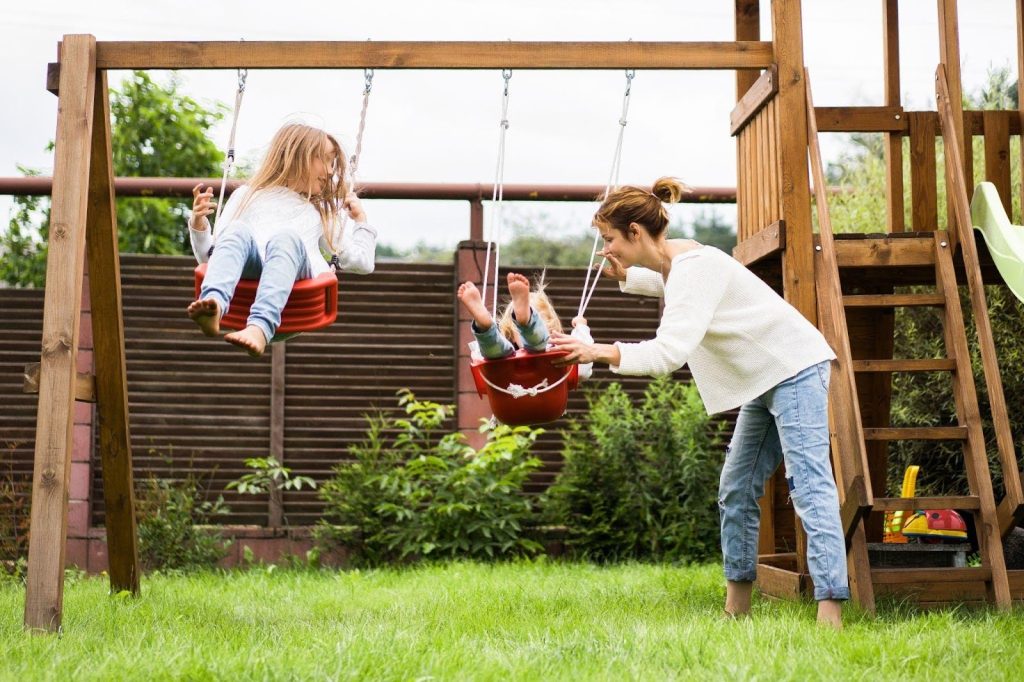
Use your smart tools as support systems, not substitutes for shared time. Join your kids on the swing set, set up weekend obstacle challenges, or host family picnics in your upgraded backyard. These moments create memories that no gadget can replace.
A smart backyard is ultimately a place where laughter, curiosity, and creativity flourish, powered by both innovation and love.
Play Smarter, Not Harder
Building a modern outdoor play space doesn’t require endless gadgets or expensive landscaping. It’s about thoughtful design, quality materials, and simple technologies that make play safer and more enriching. Whether you start small with smart lighting or go all-in with connected safety sensors, your investment will pay off in joy and peace of mind.
With the right mix of imagination, safety, and technology, your home can become the perfect place for your family to grow, play, and connect, one swing, slide, and laugh at a time.

