

How To Care For A Circumcision Wound

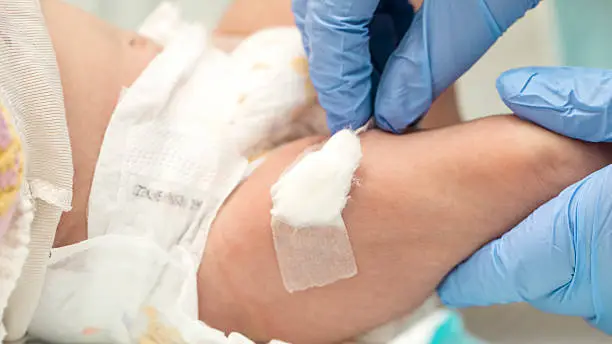
Caring for a circumcision wound is an important part of the healing process. Whether the procedure was done for a baby, child, or adult, proper care helps prevent infection and speeds up recovery. The wound usually heals within a few weeks, but it requires careful attention during this time to keep it clean and dry. Understanding how to care for the circumcision wound ensures a safe and smooth healing process.
- Keep the Area Clean
The most important part of caring for a circumcision wound is cleanliness. Wash your hands thoroughly before touching the area. For infants, gently clean the penis with warm water during diaper changes. Avoid using baby wipes that contain alcohol or perfume, as these can irritate the wound. For adults and older boys, gently wash the area with mild soap and warm water once or twice daily, then pat it dry with a clean towel.
- Avoid Tight Clothing or Diapers
Friction or pressure can slow down healing and cause discomfort. For babies, fasten diapers loosely to allow air circulation and prevent rubbing against the wound. Applying a small amount of petroleum jelly on the wound before putting on a diaper helps prevent it from sticking. For adults, wear loose-fitting underwear and avoid tight trousers until the wound fully heals.
- Manage Pain and Swelling
It is normal to experience mild pain, redness, or swelling after circumcision. Over-the-counter pain relievers such as paracetamol or ibuprofen can help relieve discomfort, but only use medications recommended by your doctor. For babies, pain relief may be given under medical guidance. You can also apply a cool, clean cloth to the area for a few minutes to ease swelling, but never place ice directly on the skin.
- Watch for Signs of Infection
While mild redness or swelling is normal, certain symptoms may indicate infection. Seek medical attention immediately if you notice increased redness, pus, foul-smelling discharge, bleeding that does not stop, or fever. Early treatment helps prevent complications and ensures proper healing.
- Avoid Soaking in Water
During the healing period, avoid soaking the wound in water. This means no long baths, swimming, or sitting in tubs. For infants, use a sponge bath instead of full immersion. Adults should take quick showers and gently pat the area dry afterward. Keeping the wound dry prevents infections and speeds up recovery.
- Be Patient During Healing
The circumcision wound usually heals within one to two weeks for babies and up to four weeks for adults. During this time, avoid touching or pulling the scab. As the wound heals, a yellowish crust may form — this is normal and does not mean infection. Allow the wound to heal naturally without applying any unprescribed creams or powders.
Also Read: How To Cancel UNISA Application