

How To Charge An Inverter Battery

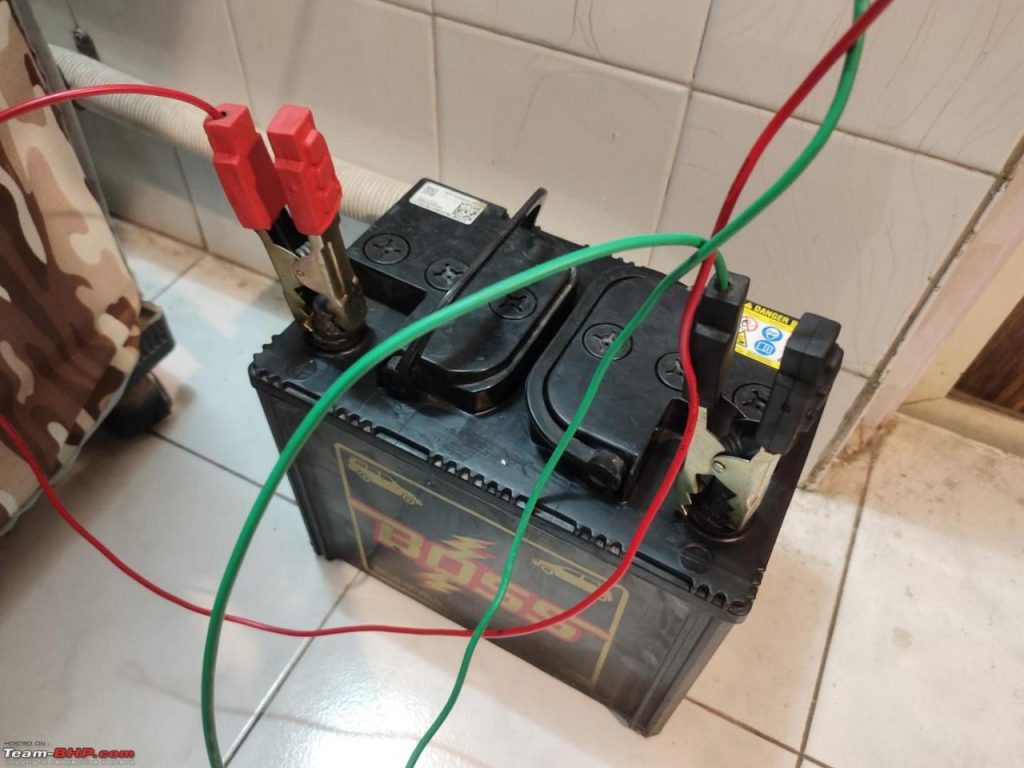
An inverter battery is a crucial part of any backup power system, supplying electricity during outages or when there’s no direct power source. To keep it working efficiently and lasting longer, it’s important to charge it correctly. Whether you have a home inverter or use it for business, understanding how to charge the inverter battery properly ensures reliable performance and safety.
- Understand Your Inverter Battery Type
Before charging, identify the type of battery your inverter uses. The two most common types are tubular batteries and sealed maintenance-free (SMF) batteries. Tubular batteries are more durable and require periodic water refilling, while SMF batteries are sealed and don’t need maintenance. Knowing your battery type helps determine the correct charging method and maintenance needs.
- Ensure the Inverter Is Properly Connected
Most inverter systems are designed to charge automatically when connected to mains power. Check that your inverter is properly installed with the correct wiring between the battery, inverter, and wall socket. The positive terminal of the battery should connect to the positive terminal of the inverter, and the negative to the negative.
Ensure all connections are tight and free of corrosion. Loose or reversed connections can damage both the inverter and battery.
- Use a Compatible Power Source
Always use a stable power source when charging your inverter battery. Unstable voltage or frequent power surges can affect the charging process and shorten battery life. If your area experiences inconsistent power supply, consider using a voltage stabilizer to protect your system.
- Turn On the Inverter
Once everything is securely connected, turn on the inverter and connect it to the mains supply. Most modern inverters automatically detect when the grid power is available and begin charging the battery. You’ll usually see a charging indicator light or display showing the battery level.
If your inverter has manual controls, switch it to charging mode according to the manufacturer’s instructions.
- Monitor the Charging Process
Keep an eye on the charging status throughout the process. The inverter’s display panel often shows the battery’s charging level or voltage. For tubular batteries, you can also check the electrolyte levels and top up with distilled water if needed.
Avoid overcharging, as it can lead to overheating and reduce the lifespan of your battery. Most inverters automatically stop charging when the battery is full, but older models may require manual monitoring.
- Allow the Battery to Charge Fully
A full charge usually takes 6 to 10 hours, depending on battery capacity, power input, and the inverter model. It’s best to let the battery charge completely before using it for backup power. Partial charging over time can cause reduced performance and shorter battery life.
For sealed batteries, avoid tampering with the unit. Simply monitor the indicator lights or display screen to confirm when the battery is fully charged.
- Maintain Proper Ventilation
During charging, inverter batteries release heat and sometimes gases, especially tubular types. Always place your inverter system in a well-ventilated area away from direct sunlight and moisture. Good airflow prevents overheating and keeps the battery in good condition.
- Perform Regular Maintenance
Regular maintenance keeps your inverter battery running efficiently. Clean the terminals occasionally with a dry cloth and apply petroleum jelly to prevent rust. For tubular batteries, check water levels every few months and refill only with distilled water.
Avoid placing heavy items on the battery, and keep it away from flammable materials.
- Use the Battery Responsibly
Avoid discharging the inverter battery completely, as deep discharges can shorten its lifespan. Try to recharge it soon after every power outage. If the inverter won’t be used for a while, charge the battery fully and disconnect it from the inverter to prevent self-discharge.
Also Read: How To Change Windscreen Wipers