

How to Check Body Temperature of an Infant at Home

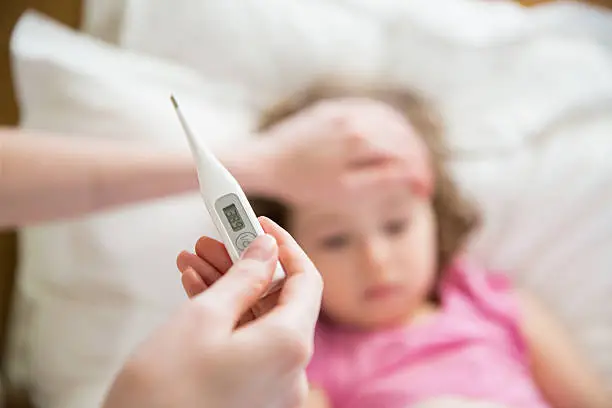
Knowing how to check body temperature of an infant at home is important when a baby feels unusually warm, appears unwell, or has other signs of illness. A digital thermometer is the preferred option for home temperature checks. For infants, rectal temperature can provide the most accurate measurement, but parents and caregivers should follow their healthcare provider’s guidance and the thermometer manufacturer’s instructions.
-
Choose a Suitable Thermometer
Use a digital thermometer that is designed for the method you intend to use. Avoid using mercury thermometers because they can break and expose the baby to mercury.
- Use a digital thermometer
- Check that it is clean and functioning
- Follow the manufacturer’s instructions
-
Prepare the Baby
Keep the infant calm and avoid checking immediately after a bath, heavy wrapping, or vigorous crying if possible. Wait a few minutes and allow the baby to settle.
- Keep the baby comfortable
- Remove excessive clothing or blankets
- Let the baby settle before measuring
-
Choose the Measurement Method
For young infants, a rectal temperature is generally considered the most accurate way to measure temperature. An underarm measurement can also be used, but it may be less accurate.
Do not use an oral thermometer for a young infant. Ear thermometers may not be suitable for very young babies unless the manufacturer specifically states that they can be used at that age.
- Follow the recommended method for the baby’s age
- Use an underarm method if advised
- Ask a healthcare professional if you are unsure
-
Take a Rectal Temperature Safely
If you have been advised to take a rectal temperature, use a digital thermometer specifically suitable for rectal use.
Place a small amount of appropriate lubricant on the thermometer tip and gently insert it only as far as recommended by the manufacturer or your healthcare professional. Never force the thermometer, and never leave the baby unattended while taking the measurement.
- Wash your hands
- Use the correct thermometer
- Lubricate the tip if required
- Keep the baby secure
- Never force the thermometer
-
Take an Underarm Temperature
If you are using the underarm method, place the thermometer tip high in the baby’s armpit against bare skin.
Hold the baby’s arm gently against the body until the thermometer signals that the measurement is complete.
- Place the thermometer against bare skin
- Keep the baby’s arm close to the body
- Wait for the thermometer to finish
-
Record the Temperature
Write down the temperature, time, and method used.
Keeping a record can help you notice whether the baby’s temperature is changing and provides useful information if you need to speak to a healthcare professional.
- Record the temperature
- Note the time
- Record how the temperature was taken
-
Know When to Seek Medical Care
For babies younger than three months, a rectal temperature of 38°C (100.4°F) or higher is generally considered a fever and requires prompt medical assessment, even if the baby otherwise appears well.
Seek urgent medical attention if the infant has difficulty breathing, is unusually sleepy or difficult to wake, has a seizure, develops a concerning rash, is not feeding well, shows signs of dehydration, or appears seriously unwell.
Also Read: How to Check Sportscene Account Balance