

How to Check If an Infant Is Sick at Home

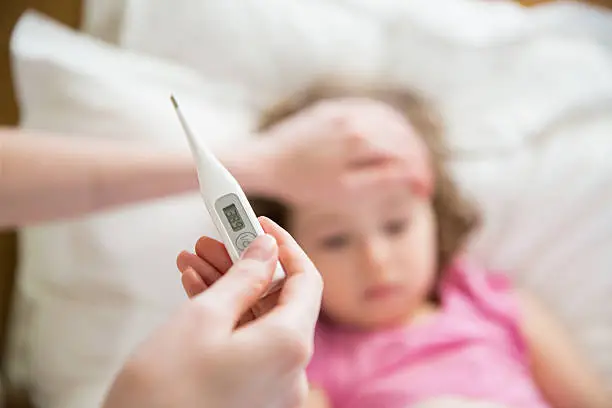
Knowing how to check if an infant is sick at home can help parents and caregivers recognise early warning signs and decide when a baby needs medical attention. Infants cannot explain how they feel, so changes in feeding, breathing, temperature, behaviour, and appearance can provide important clues. A baby who seems significantly different from normal should be monitored carefully.
-
Check the Baby’s Temperature
Use a digital thermometer to check the baby’s temperature if they feel unusually warm or appear unwell.
For infants younger than three months, a temperature of 38°C (100.4°F) or higher requires prompt medical assessment.
- Use a digital thermometer
- Record the temperature and time
- Follow the appropriate method for the baby’s age
-
Check the Baby’s Breathing
Watch the baby’s chest and stomach while they are calm. Breathing that is unusually fast, difficult, noisy, or accompanied by the chest pulling in between or under the ribs can be a warning sign.
Seek urgent medical attention if the baby is struggling to breathe, has pauses in breathing, or develops blue, grey, or unusually pale lips or skin.
- Watch the baby’s breathing
- Look for unusual effort
- Check for changes in skin colour
- Seek urgent help for breathing difficulties
-
Check Feeding and Drinking
A sick infant may feed less than usual or have difficulty breastfeeding or taking a bottle.
Pay attention to how much the baby is feeding and whether they are able to keep feeds down.
- Monitor feeding
- Look for difficulty sucking or swallowing
- Watch for repeated vomiting
- Seek advice if feeding is significantly reduced
-
Check Wet Nappies
The number of wet nappies can provide an indication of whether a baby is receiving enough fluid.
Significantly fewer wet nappies than usual, a dry mouth, or other signs of dehydration should be taken seriously.
- Monitor wet nappies
- Check for a dry mouth
- Watch for other signs of dehydration
-
Check the Baby’s Behaviour
Pay attention to changes from the baby’s normal behaviour.
An infant who is unusually sleepy, difficult to wake, very weak, extremely irritable, or not responding normally may need urgent medical assessment.
- Observe alertness
- Check how the baby responds to you
- Look for unusual sleepiness or weakness
-
Check the Baby’s Skin and Appearance
Look for unusual rashes, swelling, unusual paleness, or a blue or grey colour around the lips or face.
A rash that does not fade when pressed or a sudden change in the baby’s appearance requires medical attention.
- Check the baby’s skin
- Look for unusual rashes
- Watch for changes in colour
-
Check for Other Symptoms
Coughing, a blocked or runny nose, diarrhoea, vomiting, or a change in bowel movements can occur with infections.
Consider the baby’s overall condition rather than relying on one symptom alone.
- Monitor new symptoms
- Note when symptoms started
- Watch whether the baby is improving or becoming worse
-
Know When to Seek Urgent Medical Care
Seek urgent medical attention if the infant has difficulty breathing, is difficult to wake, has a seizure, has blue or grey lips or skin, shows signs of severe dehydration, has a concerning rash, or appears seriously unwell.
For babies younger than three months, a temperature of 38°C (100.4°F) or higher should be assessed promptly by a healthcare professional.
Also Read: How to Check Sportscene Account Balance