


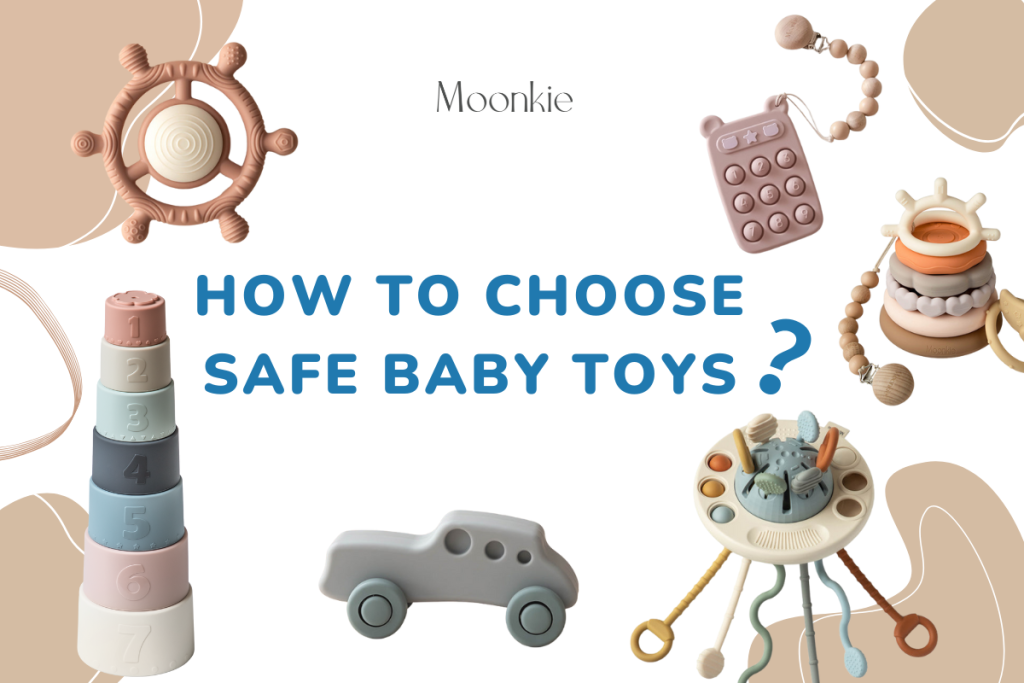


In this guide, we’ll walk you through everything you need to know about selecting safe baby toys, why they matter, and how to make the best choices for your child’s development. Plus, we’ll explore why safe baby toys make the perfect baby gifts for any occasion—because nothing says “I care” like a gift that keeps your little one safe while they play.
Why Safe Baby Toys Matter
Every year, thousands of children are injured by unsafe toys. From choking hazards to toxic materials, the risks are real—and as parents, it’s our job to minimize them. Safe baby toys aren’t just about avoiding harm; they’re about creating an environment where your child can learn, grow, and thrive.
Key Risks to Watch Out For:
- Choking hazards: Small parts can easily become lodged in a baby’s throat.
- Toxic materials: Some toys contain harmful chemicals like lead or phthalates.
- Sharp edges: Poorly designed toys can cause cuts or scratches.
By understanding these risks, you can make informed decisions and choose baby toys that are both fun and safe.
How to Choose Safe Baby Toys: A Step-by-Step Guide

1. Check the Material
The material of a baby toy is one of the most important factors to consider. Babies explore the world by putting things in their mouths, so non-toxic, eco-friendly materials are a must. Here’s what to look for:
- Food-grade silicone: Soft, flexible, and safe for teething, this material is also easy to clean and resistant to bacteria.
- Natural wood: Durable and free from harmful chemicals, wooden toys are a classic choice that can withstand years of play.
- BPA-free plastic: A safer alternative to traditional plastics, BPA-free options are lightweight and often more affordable.
Avoid toys made with PVC or other materials that may contain harmful chemicals like phthalates or lead. Always check the label or product description for material details.
2. Consider the Size and Design
Babies love to put things in their mouths, so size matters. Follow these guidelines:
- No small parts: Ensure the toy is too large to fit through a toilet paper roll (a common choking hazard test).
- Smooth edges: Avoid toys with sharp or rough edges that could injure your baby.
- Sturdy construction: Make sure the toy won’t break easily into small pieces.
3. Look for Age-Appropriate Toys
Every baby toy should come with an age recommendation, and for good reason. These guidelines are based on safety and developmental appropriateness, ensuring the toy is both fun and beneficial for your child. Here’s a quick breakdown:
- 0-6 months: At this stage, babies are developing their senses. Opt for soft toys, rattles, and teethers that are easy to grasp and safe for mouthing.
- 6-12 months: As babies start to sit up and explore, stacking toys, sensory balls, and activity mats can help develop motor skills and hand-eye coordination.
- 12+ months: Toddlers are on the move! Building blocks, shape sorters, and push toys encourage problem-solving and physical activity.
Choosing age-appropriate baby toys not only keeps your child safe but also supports their growth and learning at every stage.
4. Verify Safety Certifications
When choosing baby toys, safety certifications are your best friend. These labels indicate that the toy has been tested and meets strict safety standards. Here’s what to look for:
- ASTM International: This certification means the toy complies with U.S. safety standards, ensuring it’s free from hazards like sharp edges or small parts that could pose a choking risk.
- CE Marking: Found on toys sold in Europe, this label confirms the product meets EU safety, health, and environmental requirements. It’s a reliable indicator of quality and safety.
- JPMA Certified: The Juvenile Products Manufacturers Association (JPMA) certification means the toy has been independently tested for safety and durability, giving you extra peace of mind.
These certifications are a quick and easy way to ensure the baby toy has passed rigorous safety tests, so you can feel confident in your choice.
Why Safe Baby Toys Make the Best Baby Gifts
When it comes to baby gifts, safety should always be a top priority. Here’s why safe baby toys are the perfect choice:

- Peace of mind: Parents will appreciate the thoughtfulness of a safe, high-quality gift.
- Long-lasting value: Safe baby toys are durable and designed to grow with the child.
- Developmental benefits: Educational toys support cognitive and motor skill development.
Whether it’s a birthday, holiday, or baby shower, safe baby toys are a gift that keeps on giving.
Common Types of Unsafe Baby Toys (and What to Avoid)
Not all baby toys are created equal. Here are some types to steer clear of:
- Toys with small parts: These pose a choking hazard for young children.
- Cheap plastic toys: Often made with harmful chemicals and prone to breaking.
- Noisy toys: Extremely loud toys can damage a baby’s hearing.
By avoiding these risky options, you can ensure your baby’s playtime is both fun and safe.
How to Clean and Maintain Baby Toys
Keeping baby toys clean is essential for your child’s health, especially since babies love to put toys in their mouths. Regular cleaning and maintenance not only prevent the spread of germs but also extend the life of the toys. Here’s how to do it:
- Wash regularly: For plastic and silicone toys, use warm, soapy water and a soft cloth or sponge. Rinse thoroughly to remove any soap residue, and let the toys air dry completely before giving them back to your baby.
- Disinfect when needed: For wooden toys, avoid soaking them in water, as this can cause warping. Instead, wipe them down with a solution of equal parts white vinegar and water. Vinegar is a natural disinfectant that’s safe for babies.
- Inspect for damage: Check toys regularly for signs of wear and tear, such as cracks, loose parts, or peeling paint. Damaged toys can pose safety risks, so it’s best to replace them if they’re no longer in good condition.
Proper maintenance ensures your baby toys stay safe, hygienic, and ready for playtime. Plus, it gives you peace of mind knowing your little one is exploring a clean and healthy environment.
Final Thoughts: Safe Baby Toys for Happy Babies
Choosing safe baby toys doesn’t have to be overwhelming. By focusing on materials, size, age-appropriateness, and certifications, you can create a safe and stimulating environment for your little one. And when it comes to baby gifts, nothing beats the joy of giving a toy that’s both fun and safe.
Remember, the best baby toys are those that let your child explore, learn, and grow—without compromising their safety. So the next time you’re shopping for baby toys or baby gifts, keep this guide in mind. If you’re looking for a trusted source for safe and high-quality toys, consider exploring the collection at moonkieshop.com. Your baby (and their parents) will thank you!
FAQ: Your Questions About Baby Toys Answered
Q: How do I know if a baby toy is safe?
A: Look for safety certifications, check the material, and ensure the toy is age-appropriate.
Q: What are the best materials for baby toys?
A: Food-grade silicone, natural wood, and BPA-free plastic are all excellent choices.
Q: Can I give second-hand baby toys as gifts?
A: Yes, but inspect them carefully for damage and clean them thoroughly before use.

