

How to Choose the Right Outdoor Camera

How to Choose the Right Outdoor Camera
Choosing the right outdoor camera ensures your home remains safe and secure. A well-chosen camera can capture crucial footage and alert you to potential dangers. To make an informed choice, understand the key factors: your security goals, camera types, video quality, night vision capabilities, storage solutions, and costs involved. This guide will walk you through these aspects, helping you select a camera that meets your needs and budgets, ultimately securing your property effectively.
Start With Your Goal and Coverage Plan
What you want to protect: entry points, yard, driveway
Identify areas vulnerable to intrusion or damage like entry points, yards, and driveways. Consider a camera for each entry point as they’re common break-in targets. Yards need coverage to monitor unusual activity or trespassing. A driveway camera can provide valuable footage of vehicles or visitors. This strategic protection enables comprehensive monitoring, deterring potential threats and providing peace of mind regarding your property’s security.
How many cameras you actually need
Count cameras based on your specific requirements, considering all areas to be monitored. A single camera may suffice for small yards, while larger properties might need multiple cameras to cover all entry points and open spaces. Assess the layout of your property to determine the number, ensuring there are no blind spots. A systematic approach helps in deciding the precise number, optimizing security coverage effectively.
Pick the Right Camera Type for Your Setup
Wired vs battery vs solar vs 4G/LTE: what to choose
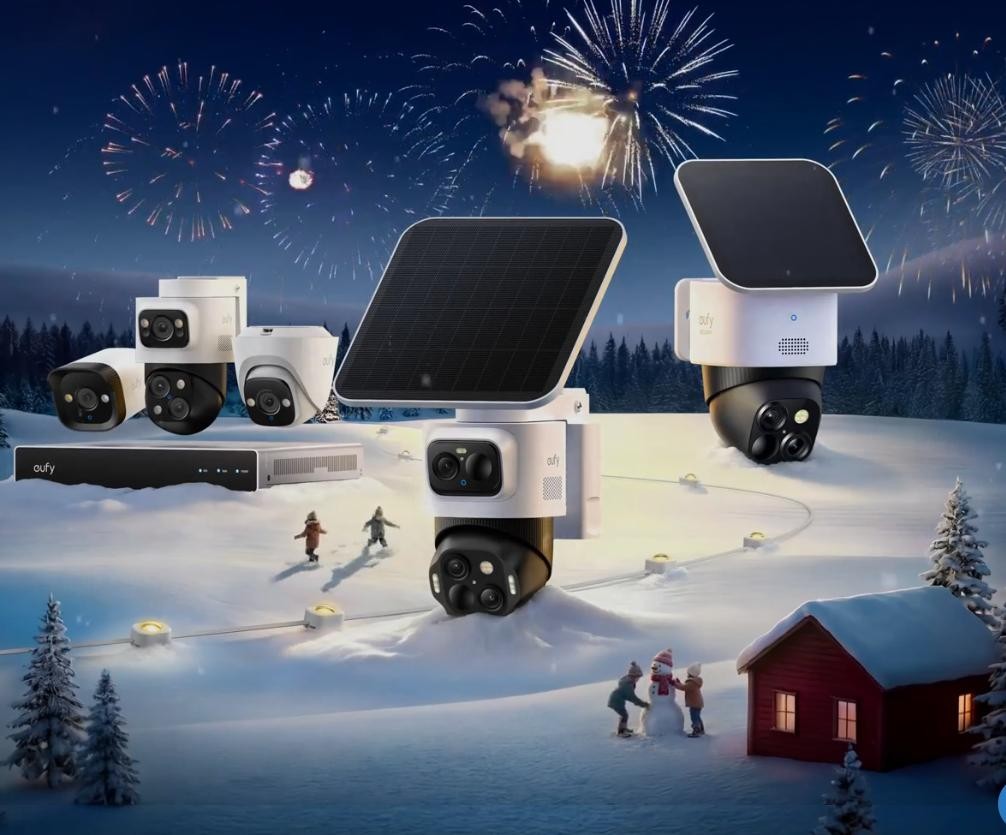
Wired cameras offer reliable performance and constant power but need professional installation. Battery-operated models are flexible and easy to install but require regular charging. Solar cameras provide eco-friendly, continuous power, best for sunny locations. 4G/LTE models suit remote areas without Wi-Fi, offering connectivity via cellular networks. Match the camera type to your site’s infrastructure and environmental conditions for an optimal setup.
Spotlight cams, floodlight cams, and pan-tilt cams
Spotlight cameras integrate motion sensors and lights to deter intruders, ideal for entryways. Floodlight cameras provide wide coverage and bright illumination for large yards. Pan-tilt cameras offer dynamic monitoring with remote control features, covering wider areas effectively. Choose based on area size and specific security needs to maximize monitoring effectiveness and deter potential intruders.
Video Quality That Actually Helps You Identify Details
1080p vs 2K vs 4K: when higher resolution matters
Higher resolution ensures detailed footage, essential for identifying features like faces or license plates. 1080p is suitable for standard needs, while 2K or 4K cameras provide sharper images for critical areas. Select higher resolutions for vital points like entrance areas, where identification accuracy is crucial. Balance resolution needs with storage capacities and costs for effective deployment.
Field of view, distortion, and where wide angles help
Field of view influences coverage, with wide angles aiding in monitoring larger areas but risking distortion at edges. Choose cameras with optimal field views to match your layout, balancing coverage with image clarity. Wide-angle cameras are beneficial in expansive settings like yards, reducing blind spots and ensuring comprehensive oversight. Ensure distortion is minimal to maintain accurate visuals.
Frame rate, HDR, and dealing with harsh sunlight
Frame rates affect smoothness; a higher rate like 30 fps captures motion accurately. HDR is vital in contrasting lighting scenarios, offering clear images during dawn or dusk. Cam placement avoids direct sunlight; choose models with anti-glare features and robust HDR for maintaining visibility. Optimize settings for your environment to ensure consistent, clear recordings regardless of lighting conditions.
Night Vision That Works in Real Outdoor Conditions
IR night vision vs color night vision vs spotlight-assisted
Infrared night vision allows details in low light, while color night vision provides full-color in minimal lighting. Spotlight-assisted cameras deter intruders and enhance visibility. Consider your environment; IR suits darker areas, color vision enhances identification, while spotlights actively deter. Tailor night capabilities to the physical layout for effective, continuous monitoring.
How to avoid “white blur” from rain, bugs, and reflections
White blur hampers image quality, often caused by reflections, rain, or insects. Look for cameras with weather-resistant features and clear lenses to minimize distortion. Placement matters—avoid areas prone to high moisture or direct exposure to elements like rain. Using models with advanced sensors helps mitigate blur, ensuring crisp night-time footage unaffected by exterior conditions.
Storage Choices and the Real Cost Over Time
Local storage vs cloud storage vs hybrid setups
Local storage provides immediate control but risks loss from damage. Cloud storage offers secure off-site options but incurs monthly fees. Hybrid setups combine both for reliability and flexibility, often providing the best protection with redundancy. Weigh initial costs and long-term financial implications, considering data sensitivity and accessibility needs to choose your ideal solution.
Subscription fees, “no monthly fee” cameras, and value math
Be prepared for ongoing costs; cameras often require subscriptions for cloud services which can accumulate. Alternatively, “no monthly fee” models offer upfront cost savings with local storage, but may lack cloud benefits. Calculate total cost of ownership over time, factoring in both camera type and storage strategy. Evaluate your security budget and prioritize features while controlling ongoing expenses.
Conclusion
Selecting the right outdoor security camera requires detailed consideration of various features aligned with your security needs. By assessing your property, identifying strategic points, and understanding technical specifications like resolution and storage costs, you can choose a camera that provides optimal protection. Proper camera selection ensures effective monitoring, enhances property security, and delivers peace of mind. Always weigh options thoroughly, ensuring selections meet specific security objectives and budget constraints.