

How to Clean a Mattress

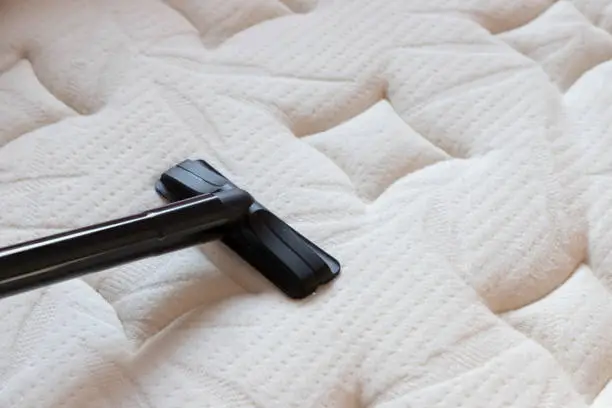
Knowing how to clean a mattress can help keep your bed fresh, comfortable, and free from dust, stains, and unpleasant odours. Mattresses collect sweat, skin flakes, dust, and other debris over time, even when they are covered with sheets. Regular cleaning can improve freshness and help extend the life of your mattress. The cleaning method depends on the type of stain and the mattress material, so avoid soaking it with excessive water.
-
Remove the Bedding
Start by removing all sheets, blankets, pillowcases, and mattress protectors from the bed.
Wash the bedding according to the manufacturer’s care instructions before putting it back on the mattress.
- Remove all bedding
- Wash sheets and blankets
- Clean the mattress protector
- Allow washable items to dry completely
-
Vacuum the Mattress
Use a vacuum cleaner with an upholstery attachment to remove dust, hair, skin flakes, and other debris.
Vacuum the entire surface, paying attention to seams, edges, and corners where dirt can accumulate.
- Vacuum both sides where practical
- Clean the seams carefully
- Pay attention to corners
- Use a clean upholstery attachment
-
Treat Stains
Identify the type of stain before choosing a cleaning solution.
For many fresh stains, gently blot the area with a clean cloth rather than rubbing it. Use a small amount of suitable cleaning solution and follow the mattress manufacturer’s care instructions.
- Blot stains gently
- Avoid aggressive scrubbing
- Use small amounts of cleaning solution
- Test a cleaning product on a hidden area first
-
Remove Unpleasant Odours
If your mattress has an unpleasant smell, sprinkle a thin layer of baking soda over the surface if the manufacturer’s instructions allow it.
Leave it for several hours so it can absorb some odours, then vacuum it thoroughly.
- Sprinkle baking soda lightly
- Leave it for several hours
- Vacuum the mattress thoroughly
- Avoid leaving powder behind
-
Dry the Mattress Thoroughly
Allow the mattress to dry completely before covering it with bedding.
Open windows or improve airflow in the room. A fan can also help circulate air. Avoid putting sheets on a damp mattress because trapped moisture can encourage mould and mildew.
- Improve ventilation
- Use a fan if necessary
- Allow the mattress to dry completely
- Do not cover it while damp
-
Clean the Mattress Protector
If you use a removable mattress protector, wash it regularly according to its care label.
A protector can help reduce the amount of sweat, dust, and spills that reach the mattress.
- Wash the protector regularly
- Follow the care label
- Dry it completely
- Replace damaged protectors
-
Turn or Rotate the Mattress When Appropriate
Some mattresses can be rotated from head to foot to promote more even wear.
Do not flip a mattress unless the manufacturer specifically says it is designed to be used on both sides.
- Check the manufacturer’s instructions
- Rotate the mattress if recommended
- Avoid flipping one-sided mattresses
- Inspect the mattress while rotating it
-
Prevent Future Stains and Dirt
Prevention makes mattress cleaning easier.
Use a washable mattress protector, keep bedding clean, avoid eating or drinking in bed, and deal with spills as soon as they happen.
- Use a mattress protector
- Change bedding regularly
- Deal with spills quickly
- Keep the sleeping area clean
-
Avoid Excessive Water and Harsh Chemicals
Mattresses can take a long time to dry if they become heavily soaked.
Excess moisture can damage some mattress materials and encourage mould growth. Avoid using strong chemicals unless the manufacturer specifically recommends them.
- Do not soak the mattress
- Use minimal moisture
- Follow the manufacturer’s instructions
- Avoid unapproved chemicals
-
Know When to Replace the Mattress
Cleaning cannot fix every mattress problem.
If a mattress has severe mould contamination, significant structural damage, persistent odours, or extensive deterioration, replacement may be more appropriate than continued cleaning.
Also Read: How to Hotspot on an HP Laptop

