

How To Clean A Throttle Body Without Removing It

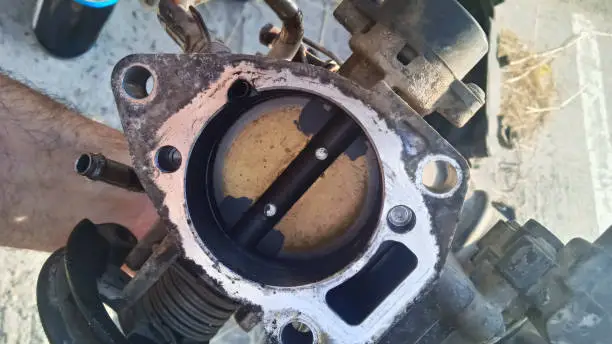
A throttle body controls the airflow into your engine. When it becomes dirty due to carbon deposits, oil vapour and dust, you may notice symptoms such as rough idling, poor acceleration, engine stalling and higher fuel consumption. Cleaning the throttle body without removing it is a simple maintenance task that helps restore smooth airflow and better engine performance. It can be done at home with the right materials and careful handling.
- Gather the Right Tools and Materials
Before you begin, make sure you have everything required for a safe and effective job. You will need throttle body cleaner spray made specifically for fuel-injected engines. Do not use general carburettor cleaner because it may damage some sensors. A clean microfiber cloth, latex or rubber gloves and a screwdriver to remove the air intake or hose will also be useful. Working in a well-ventilated area is important due to chemical fumes.
- Locate the Throttle Body
Open the bonnet and follow the air duct from the air filter box to where it connects near the intake manifold. The component with a butterfly valve inside is the throttle body. With the engine turned off, carefully loosen the clamp and remove the air intake hose to expose the throttle plate. Be mindful not to damage hoses or sensors connected around it.
- Hold the Throttle Plate Open Safely
The throttle plate is the small metal flap that opens when you accelerate. In some cars, you can gently push it open by hand. In vehicles with electronic throttle control, avoid forcing the plate too much because it could harm the motor. Light pressure is enough to create a gap so you can access carbon build-up on the edges and inner walls.
- Spray and Clean the Inside Surface
Shake the throttle body cleaner and spray short bursts directly onto the deposits. Allow the chemicals to dissolve the dirt for a few seconds. Then wipe the surfaces using your microfiber cloth to remove black carbon residues. Be gentle and avoid soaking electrical parts or sensors. Work slowly around the throttle plate edges because that is where most grime collects and causes sticking.
- Let It Dry and Reassemble
After cleaning, allow the throttle body to air-dry completely. Most cleaners evaporate quickly, but waiting ensures that no liquid enters the engine when starting the vehicle. Reattach the intake hose securely and tighten the clamps. Double-check that all electrical connectors and hoses are correctly fitted before closing the bonnet.
- Start the Engine and Observe Performance
When you start the engine, idle may be slightly high or shaky for a few minutes. This is normal as the computer system rebalances airflow. After a short drive, the engine should run smoother, respond better to acceleration and idle steadily. If problems continue, the throttle body may need deeper cleaning or you might have other issues such as vacuum leaks or faulty sensors.
Also Read: How To Clean A Mattress Without A Vacuum

