

How To Connect A Relay To A Starter

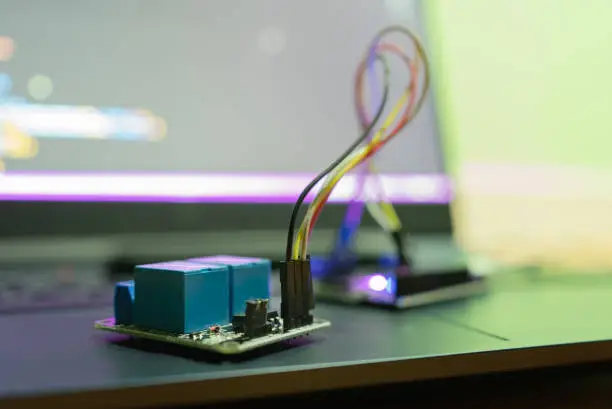
A relay is often used in a vehicle’s starting system to help supply enough current to the starter motor while protecting the ignition switch from high power load. Connecting a relay to the starter improves reliability, ensures smooth ignition, and reduces wear on electrical components. Understanding how to wire it properly is important for a safe and functional setup.
- Understand the Purpose of a Starter Relay
A starter relay acts as an electrical bridge between the ignition switch and the starter motor. When you turn the ignition key, the relay receives a small electrical signal that closes an internal switch. This allows high current from the battery to flow directly to the starter motor, enabling the engine to crank. Without the relay, the ignition switch would handle all that current, which can cause overheating or damage over time.
- Identify the Terminals on the Relay
Most starter relays have four pins labeled as 85, 86, 30, and 87. Each terminal serves a specific purpose:
- Pin 85: Connects to ground or the negative terminal of the battery.
- Pin 86: Connects to the ignition switch or the signal wire.
- Pin 30: Connects directly to the positive terminal of the battery.
- Pin 87: Connects to the starter solenoid (the part that engages the starter motor).
Some relays may have slightly different labels, so always confirm with the wiring diagram for your specific relay model.
- Gather the Necessary Tools and Materials
To connect the relay properly, prepare the following:
- A 4-pin relay
- Electrical wires
- A fuse holder and fuse (about 20–30A, depending on your starter system)
- Crimp connectors or soldering tools
- Electrical tape or heat shrink tubing
- A multimeter for testing connections
Make sure your relay is rated for the voltage of your vehicle, usually 12 volts for most cars.
- Locate the Starter Solenoid and Battery
The starter solenoid is usually mounted on the starter motor. Identify the thick wire coming from the battery and the smaller wire connected to the ignition switch — these are the main points you’ll connect through the relay.
- Connect the Relay Coil (Pins 85 and 86)
Begin by connecting pin 85 of the relay to a clean ground point on the vehicle chassis or the negative terminal of the battery. Then connect pin 86 to the ignition switch wire — this is the wire that carries voltage when you turn the key to the “start” position.
When you turn the key, current will flow through the relay coil between pins 85 and 86, energizing it and closing the internal switch.
- Connect the Power Supply (Pin 30)
Connect pin 30 directly to the positive terminal of the battery. For safety, place a fuse on this wire to protect the circuit in case of a short. This wire will supply power to the starter solenoid through the relay.
- Connect the Output to the Starter (Pin 87)
Connect pin 87 to the small terminal on the starter solenoid. When the relay is activated, it will allow current to flow from pin 30 (battery) to pin 87, sending power to the solenoid and engaging the starter motor.
- Test the Relay Connection
After completing all connections, test the system. Turn the ignition key to the “start” position — you should hear a clicking sound from the relay, followed by the starter motor engaging. If the engine does not crank, check the following:
- Ensure all wires are tight and properly connected.
- Verify the fuse is not blown.
- Check that the ground connection is clean and secure.
- Use a multimeter to test voltage at each terminal.
- Secure and Insulate the Wiring
Once you confirm that the relay works correctly, secure all connections using electrical tape or heat shrink tubing. Mount the relay in a safe, dry location away from heat or moving parts. Keeping the wiring neat and well-protected will help prevent electrical faults and corrosion.
Also Read: How To Clean A Throttle Body Without Removing It