

How To Connect Wires To A Plug

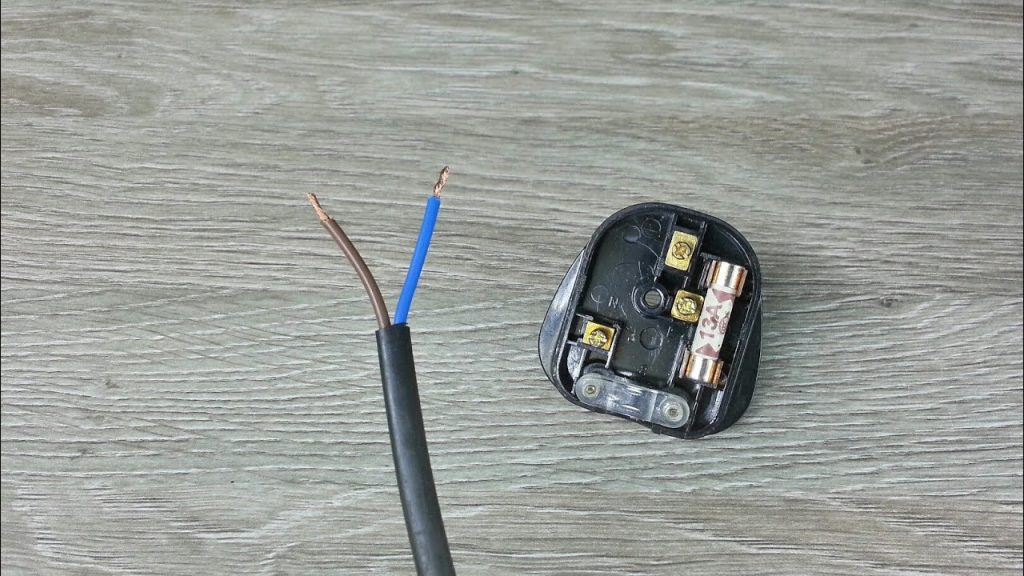
Connecting wires to a plug is a simple but important task that ensures your electrical appliances work safely and efficiently. Whether you’re fixing a broken plug or attaching a new one to a cord, understanding the correct wiring process helps prevent short circuits, shocks, or equipment damage. With care and attention, you can easily wire a plug yourself using a few basic tools.
- Understanding the Plug and Its Terminals
A standard three-pin plug has three terminals, each connected to a specific wire. These are:
- Live (Brown) – carries the electric current and connects to the right terminal marked L.
- Neutral (Blue) – returns the current and connects to the left terminal marked N.
- Earth (Green and Yellow) – provides safety by grounding the appliance and connects to the top terminal marked E or with the earth symbol.
Before working on a plug, always ensure it is unplugged from the socket and the appliance is not connected to power.
- Tools You’ll Need
To connect wires to a plug, gather these basic tools:
- A small screwdriver (flathead or Phillips, depending on the plug)
- Wire cutters or strippers
- Replacement plug (if needed)
- Electrical tape (optional, for securing loose strands)
Having the right tools makes the job easier and helps ensure neat, firm connections.
- Preparing the Cable
Start by preparing the appliance cable for connection:
- Remove the outer insulation using a wire stripper or sharp knife, exposing about 5 cm of the inner wires (brown, blue, and green/yellow).
- Trim and strip about 1 cm of insulation from each colored wire to expose the copper strands.
- Twist the copper strands tightly so they don’t fray when inserted into the terminals.
Make sure the wires are long enough to reach their respective terminals comfortably without stretching or crossing over each other.
- Connecting the Wires
Now that the cable is prepared, you can start wiring the plug:
- Open the plug cover by unscrewing it. Inside, you’ll see the three terminals and a cable clamp.
- Connect the brown (live) wire to the L terminal on the right-hand side.
- Connect the blue (neutral) wire to the N terminal on the left-hand side.
- Connect the green/yellow (earth) wire to the E terminal at the top.
- Tighten all terminal screws firmly to secure the wires, ensuring no copper is exposed outside the terminals.
The connections should be tight enough that the wires don’t move when gently tugged, but not so tight that they damage the strands.
- Securing the Cable
Once all wires are connected, place the cable clamp over the outer insulation of the cord (not the individual wires) and tighten it with the screws provided. This prevents the internal wires from pulling loose if the cable is tugged accidentally.
Then, carefully close the plug cover and screw it back in place. Ensure that the cover fits snugly and the cable exits neatly through the opening.
- Checking Your Work
Before using the plug, double-check your connections:
- The brown wire must go to L.
- The blue wire must go to N.
- The green/yellow wire must go to E.
- No bare copper should be visible outside the terminals.
- The cable should be firmly held by the clamp.
If everything looks correct, your plug is ready to use.
- Testing the Plug
After connecting the wires, plug the appliance into a socket and switch it on. If it doesn’t work, switch it off immediately and recheck your connections. If the plug or wire feels warm, disconnect it and inspect for loose connections or exposed strands.
- Safety Tips
- Always unplug the device before starting any wiring.
- Never use damaged wires or cracked plugs.
- Replace old or burnt plugs immediately.
- If unsure about your wiring, consult a qualified electrician.
Also Read: How To Clean A Throttle Body Without Removing It