

How To Design Clothes

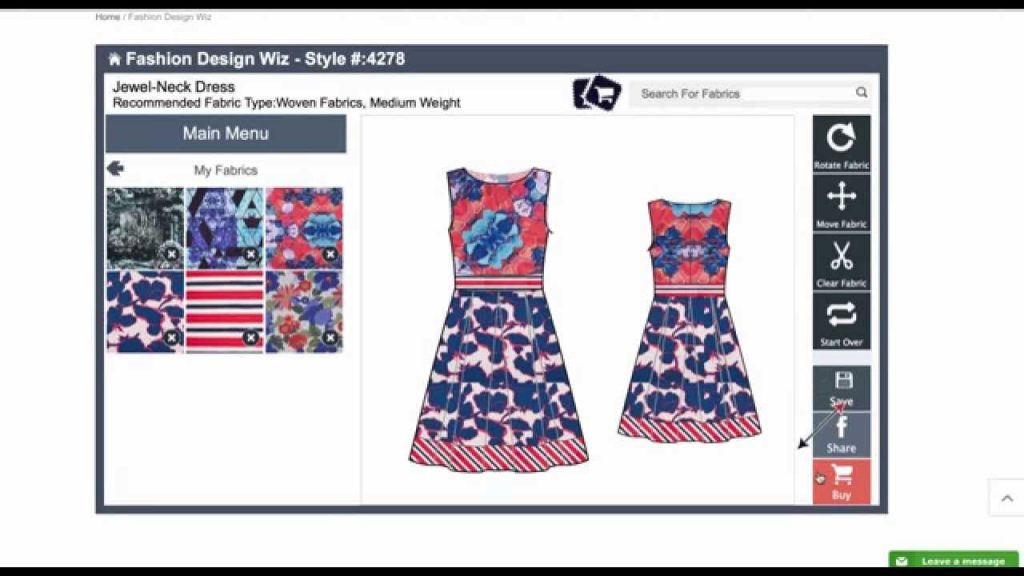
Designing clothes is a creative process that blends imagination, technical skill and an understanding of how garments fit and function. Whether you want to design for yourself, start a fashion brand or simply explore your creativity, learning the basics helps you bring your ideas to life. Clothing design involves sketching concepts, choosing fabrics, creating patterns and finally producing a finished garment. While it may seem complicated at first, breaking the process into manageable steps makes it enjoyable and accessible. This article explains how to design clothes in clear, numbered sections so you can develop your own style and workflow with confidence.
- Understanding Your Inspiration and Style
Every design begins with inspiration. You start by identifying what kind of clothing you want to create, whether it is casual wear, formal outfits, streetwear or traditional styles. You can draw inspiration from art, nature, culture, trends or your personal experiences. Creating a mood board helps you gather colours, textures and shapes that influence your collection. Understanding your style direction guides every decision you make later in the process.
- Learning Basic Sketching Techniques
Sketching is the foundation of fashion design. You begin with simple fashion figures, also known as croquis, which give you a body outline to draw your clothes on. At this stage, your drawings do not need to be perfect. What matters is expressing the idea of the garment clearly. You sketch different angles, experiment with silhouettes and adjust proportions. Consistent practice improves your ability to translate ideas into visual concepts.
- Choosing Suitable Fabrics and Materials
Fabric selection has a huge impact on how your design looks and feels. You consider the weight, stretch, texture and drape of each material. For example, flowy dresses require soft fabrics, while structured jackets need heavier textiles. Visiting fabric stores helps you understand how materials behave. Choosing the right fabric ensures your garment matches your original vision.
- Developing Patterns for Your Garments
A pattern is a blueprint of your clothing design. You create it by drafting shapes that match the measurements of the wearer or standard sizing charts. Pattern-making can be done by hand or using digital tools. This stage translates your sketch into actual garment pieces such as sleeves, bodice panels or collars. Good pattern-making ensures the final garment fits correctly and maintains the intended style.
- Cutting and Sewing Your Prototype
Once your pattern is ready, you cut the fabric and start sewing a prototype, often called a sample. A sample helps you test the fit, shape and movement of the garment. You may discover areas that need adjusting, such as tight seams or uneven hems. Making changes at this stage allows you to perfect the design before producing the final piece.
- Adjusting and Finalising the Design
After creating the sample, you evaluate the garment to see what improvements are needed. You may change the length, alter the neckline or adjust the fit based on how the prototype looks. This refining process is essential because it ensures the final product meets your expectations. When you are satisfied, you sew the final version of your design.
- Building Your Portfolio and Developing Your Brand
If you want to design professionally, you compile your best sketches, samples and photos into a fashion portfolio. This showcases your creativity, technical ability and unique style. Over time, you develop a brand identity based on your favourite fabrics, colours, themes and silhouettes. Consistency helps your work stand out and attracts clients or potential employers.
Also Read: How To Delete Incognito History