

How To Dissolve Bone Spurs Naturally

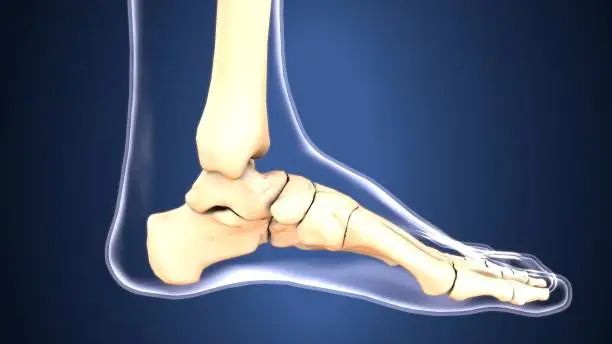
Bone spurs develop when the body creates extra bone in response to pressure, friction or long-term inflammation. They are common in the heels, knees, shoulders, spine and fingers. Although the term “dissolve” is often used, bone spurs do not literally melt away on their own. However, you can reduce discomfort, improve mobility and slow progression through natural approaches that support joint health and decrease inflammation. These methods work best when practiced consistently and alongside professional guidance when needed. Understanding what you can safely do at home helps you manage symptoms and prevent further irritation.
- Focus on Reducing Inflammation Naturally
Many bone spur symptoms come from surrounding inflammation rather than the spur itself. Lowering inflammation helps ease pain and pressure. Anti-inflammatory foods such as leafy greens, turmeric, ginger, berries, nuts and fatty fish can support a calmer internal environment. Limiting processed foods, sugar and excess salt may also reduce flare-ups. Staying hydrated keeps joint tissues cushioned and functioning smoothly. While diet cannot remove a spur, it can make the affected area noticeably more comfortable over time.
- Use Warm and Cold Therapy to Relieve Symptoms
Heat and cold provide natural relief without medication. Warm compresses, heating pads or warm baths help relax tight muscles and improve circulation around the affected joint. This can ease stiffness and reduce strain on the tissues irritated by the spur. Cold packs reduce swelling after activity or when pain suddenly increases. Applying cold for short periods lowers inflammation and numbs the area. Alternating between heat and cold is helpful for many people because it targets both stiffness and swelling.
- Stretch and Strengthen the Affected Area
Gentle movement encourages better alignment, reduces pressure on the spur and keeps the surrounding muscles strong. Targeted stretching improves flexibility around the joint, helping tissue glide smoothly without irritation. Strengthening exercises support better posture and weight distribution. For example, people with heel spurs often benefit from calf stretches and foot-strengthening routines. Shoulder spurs respond to posture training and gentle rotator cuff exercises. Consistency matters more than intensity, and exercises should never cause sharp pain.
- Maintain a Healthy Weight for Joint Relief
Excess weight increases pressure on bones and joints, especially in the feet, knees and spine. Even small weight reductions can lessen the mechanical stress that contributes to spur formation and discomfort. Focusing on sustainable habits—balanced meals, regular movement and mindful snacking—helps maintain a healthier load on the skeleton. This reduces inflammatory responses and makes it easier for natural healing processes to work effectively in the tissues surrounding the spur.
- Choose Supportive Footwear and Cushions
For bone spurs in the feet or heels, footwear plays a major role in how comfortable you feel. Shoes with proper arch support, cushioned soles and shock absorption reduce impact forces on the spur. Orthotic inserts or heel cups provide extra protection and prevent rubbing that leads to irritation. Supportive shoes realign your foot mechanics, helping your body distribute weight more evenly. This improves daily comfort and makes natural home remedies more effective.
- Try Natural Supplements Carefully
Some supplements are used to support joint comfort and reduce inflammation. Turmeric (curcumin), omega-3 fatty acids, collagen and magnesium are popular options for general musculoskeletal wellness. Botanical extracts such as boswellia are also widely used for natural inflammation support. Supplements do not dissolve bone spurs, but they may help reduce stiffness and irritation in surrounding tissues. It is always safer to speak with a healthcare professional before starting anything new, especially if you take medication.
- Practice Low-Impact Physical Activity
Staying active keeps joints mobile and maintains healthy circulation. Low-impact exercises such as swimming, cycling, yoga or walking strengthen the body without putting excessive pressure on the affected area. Gentle activity prevents stiffness, improves muscle balance and helps maintain a healthy weight. Regular movement supports long-term comfort and prevents spur-related symptoms from worsening.
- Explore Natural Topical Remedies
Topical remedies can provide temporary relief. Creams containing arnica, menthol, capsaicin or essential oils such as eucalyptus or lavender help ease tension in surrounding tissues. These products improve comfort by increasing circulation or providing a mild warming or cooling sensation. While they cannot change the bone structure beneath the skin, they contribute to overall management and make flare-ups easier to handle.
Also Read: How To Delete Incognito History