

How To Do A Forward Flip

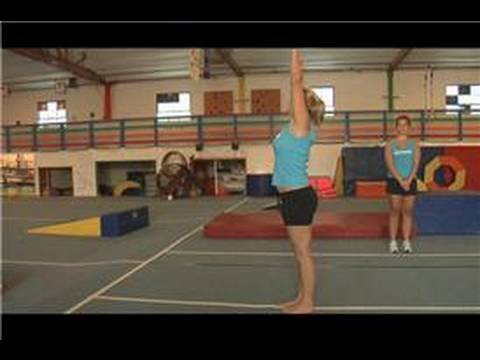
A forward flip is an exciting acrobatic move that requires balance, coordination and body control. Many people see it in gymnastics, parkour or martial arts and want to try it for themselves. While the flip looks simple when performed by trained athletes, mastering it safely takes practice and the right technique. It is important to learn in a controlled environment, ideally with soft ground, mats or professional supervision. Understanding how to prepare your body, how to jump correctly and how to land reduces your risk and helps you progress confidently.
- Warm Up Your Body Properly
Before attempting anything involving rotation, give your muscles time to warm up. Move through gentle stretches for your legs, back and shoulders. Light jogging or skipping helps increase circulation and prepares your joints. A warm body reacts faster and prevents stiffness, making the forward flip smoother. Skipping the warm-up increases your chances of strain, so take a few minutes to loosen everything first.
- Practice the Basic Forward Roll
Getting comfortable with a simple forward roll builds the foundation for a forward flip. Start by squatting down, lowering your hands to the ground and gently rolling over your shoulders, not your neck. This move helps you understand rotation and teaches your body how it feels to move forward safely. Practising rolls also improves your timing and balance, skills you will rely on during the actual flip.
- Build Jumping and Tucking Technique
A controlled jump is essential. Stand with your feet shoulder-width apart and bend your knees. Jump upward rather than forward, keeping your body straight. While in the air, practise pulling your knees toward your chest in a tight tuck position. The tuck creates rotation, and the height gives you time to complete it. Even if you cannot flip yet, practising the jump-and-tuck helps you develop confidence.
- Try the Flip With Assistance or Mats
When you are ready, always use a soft landing surface such as a gym mat, foam pit or grassy area. If possible, have a trained coach or experienced spotter assist you. Begin by jumping upward, tucking tightly and letting your body rotate. The presence of mats and support ensures that you can attempt the movement without unnecessary risk. Never attempt a forward flip on hard ground or alone if you are still learning.
- Focus on Landing Safely and Balanced
A good landing begins before you hit the ground. As you finish the rotation, extend your legs downward and prepare to absorb impact with slightly bent knees. Keeping your arms forward helps you maintain balance. Even if the landing is not perfect, the habit of bending your knees protects your joints. With repeated practice, your landings will become smoother and more controlled.
Also Read: How To Delete Incognito History