

How To Draw A Ball

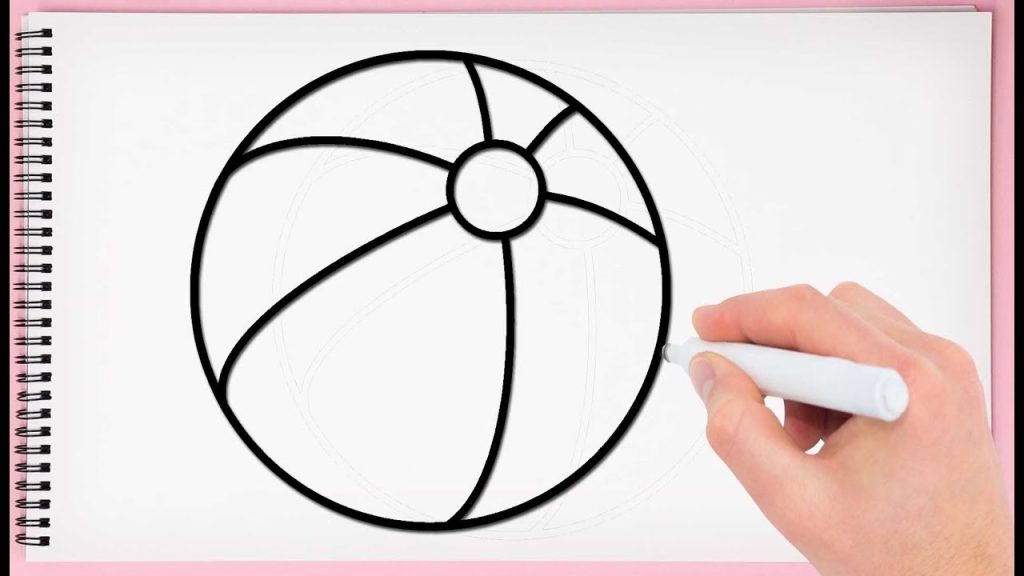
Drawing a ball may seem simple, but creating one that looks round and realistic requires attention to shape, shading and lighting. A ball is made of smooth curves, and capturing the illusion of depth is what makes it appear truly three-dimensional. With a clear sequence and light pencil strokes, you can transform a flat circle into a lifelike object. This approach works for any type of ball, whether it’s a soccer ball, tennis ball or a plain sphere.
- Drawing the Basic Circle
Begin by sketching a neat circle. Use light strokes so you can adjust the outline until it looks smooth and even. You can draw the circle freehand, use a round object as a guide or lightly draw a square first to help you measure equal sides before curving the edges. A clean, balanced circle forms the foundation for your ball and makes the final shading look more natural.
- Defining the Light Source
Before adding shading, decide where the light is coming from. A ball looks round because one side is bright while the other is darker. Choose a direction, such as light coming from the top left. Mark the highlight area by leaving a small spot on the circle untouched. This helps shape the ball and ensures your shading follows a realistic pattern.
- Shading the Curved Surface
Begin shading the side opposite your light source. Use gentle, even strokes following the curve of the ball. Gradually darken the area that is furthest from the light, and keep the tone softer as it transitions toward the lighter side. Blending with your finger, tissue or blending stump smooths the shading and reinforces the round shape. This gradual shift from dark to light is what gives the ball depth.
- Adding a Core Shadow and Cast Shadow
To strengthen the three-dimensional look, add a core shadow along the darkest curve of the ball. This is usually on the lower side opposite the light. Then sketch a cast shadow on the surface beneath the ball. The cast shadow should be oval-shaped, darker at the centre and lighter at the edges. This shadow anchors the ball to the ground and prevents it from looking like it’s floating.
- Adding Details for Specific Ball Types
If you are drawing a particular type of ball, include the patterns or markings after the shading is complete. For a soccer ball, add pentagon and hexagon shapes across the surface. For a tennis ball, draw the soft curved line that wraps around the ball. For a basketball, add the thick curved lines that divide it into panels. Keeping these features curved and even helps maintain the round shape of the ball.
Also Read: How To Delete Incognito History