

How To Draw A Beautiful Flower

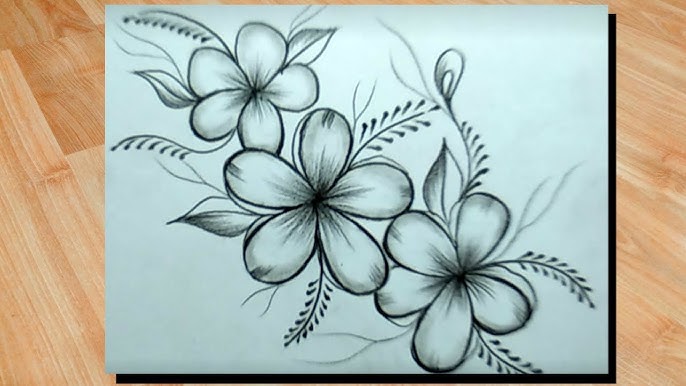
Drawing a beautiful flower is a calming and creative activity that allows you to build detail step by step. Flowers combine soft curves, gentle lines and layered petals, so the goal is to capture their delicate structure without rushing. Whether you are sketching a simple blossom or a more detailed flower, focusing on shape, symmetry and shading will help you create an artwork that stands out. With careful strokes and an understanding of where the light falls, you can bring a flower to life on paper.
- Sketching the Basic Shape
Start by drawing a small circle in the middle of your page. This circle represents the flower’s centre and guides the placement of your petals. Use light pencil strokes so you can adjust as needed. This simple base helps you keep the flower balanced and makes the overall layout easier to manage.
- Drawing the Petals Around the Centre
Next, draw the first layer of petals around the centre circle. Shape each petal with slightly curved lines that extend outward before gently tapering back toward the centre. Keep the petals evenly spaced so the flower looks natural and symmetrical. You can draw broad petals for a daisy-like flower, long pointed petals for a lily shape or rounded ones for a more romantic style. Once the first layer is complete, add a second layer of petals behind the first to create depth.
- Adding Texture and Details
Add small lines inside each petal to show texture and the natural direction of the flower’s growth. These lines should follow the length of the petals and remain light. In the centre circle, sketch small dots or short strokes to represent pollen and natural detailing. These subtle touches make the flower look more realistic and visually appealing.
- Shading for Depth and Realism
Decide where the light is coming from before shading your flower. Shade the areas of the petals that are furthest from the light source, keeping the strokes gentle and even. Add slightly darker tones where petals overlap to show depth. Lightly shade the flower’s centre as well, leaving a small highlight to suggest texture and dimension. Blending your shading makes the flower appear soft and lifelike.
- Drawing the Stem and Leaves
Finish your flower by adding a straight or gently curved stem extending downward. Draw one or two leaves branching from the stem. Shape the leaves with long, smooth curves and add veins using fine lines. Light shading on the leaves completes the drawing and ties the whole design together.
Also Read: How To Delete Incognito History