

How To Draw A Fist

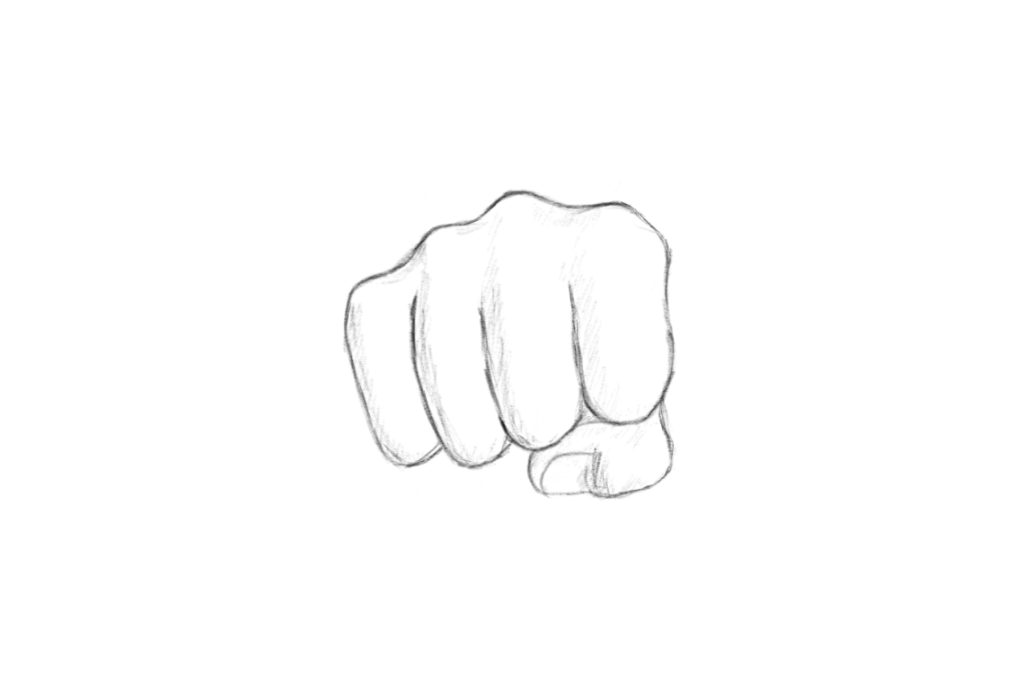
Drawing a fist can look challenging at first because the hand changes shape when the fingers curl and tighten. Once you understand how the knuckles stack, how the fingers fold and how the thumb wraps across the top, the structure becomes easier to capture. A fist is mostly made of simple shapes that overlap, so the key is learning to see those shapes clearly and placing them in the right position. This guide walks you through a practical way to build a fist drawing from basic outlines to refined details, helping you create a drawing that feels natural and believable.
- Understanding the Structure of a Fist
Before drawing, it helps to know what parts you are trying to show. A fist is a compact form where the palm folds inward and the fingers curl tightly. The knuckles create the highest ridge across the top while the thumb locks everything in place. Observing how the fingers shorten as they fold makes it easier to avoid awkward or stretched proportions.
Key features to notice include:
- The four knuckles form a gentle curve rather than a perfectly straight line
- The fingers are stacked, with each fingertip hidden under the knuckle above it
- The thumb sits diagonally across the front, pressing the fingers inward
- The wrist remains slightly visible below the fist
Understanding these points gives your drawing more accuracy and confidence.
- Starting With the Basic Shapes
Begin with simple shapes that guide the final structure. Think about the fist as a rounded block with softer edges rather than trying to draw every finger immediately. This approach helps you avoid stiff outlines and makes the anatomy easier to manage.
You can start with:
- A box or oval to represent the main bulk of the fist
- A curved line across the top where the knuckles will sit
- Light guides for the thumb placement
- A narrow rectangular shape for the wrist extending downward
These shapes help you establish the position and angle before adding smaller details.
- Adding the Knuckles and Finger Structure
Once the base shape is set, place the knuckles. They define the character and direction of the fist. Each knuckle should be slightly uneven in height, with the index knuckle usually the highest.
Add the finger folds and overlaps by:
- Drawing small curved lines under each knuckle to suggest the folded fingers
- Indicating the joints with subtle creases
- Showing depth by letting each finger slightly overlap the next
This stage brings the drawing to life by showing how the hand compresses when clenched.
- Drawing the Thumb and Refining the Shape
The thumb is essential because it locks the fist together. Its position depends on the angle of the hand. Usually, it stretches across the front, covering part of the index and middle fingers.
Refining details involves:
- Adding the thumb pad with a soft, rounded shape
- Showing the thumbnail only if the fist’s angle makes it visible
- Smoothing the edges of the fist so it feels like skin and muscle rather than rigid shapes
These refinements make the hand feel realistic while keeping the proportions balanced.
- Shading and Final Details
Shading gives the fist depth and makes it appear more solid. The curves of the knuckles, the dips between fingers and the padded areas of the palm all create shadows that enhance the form.
Focus on shading by:
- Darkening the areas between the finger folds
- Adding softer shadows under the thumb
- Deepening the shading near the wrist for a grounded look
- Highlighting the knuckles with lighter tones
Also Read: How To Delete Read-Only Contacts