

How To Draw Planets

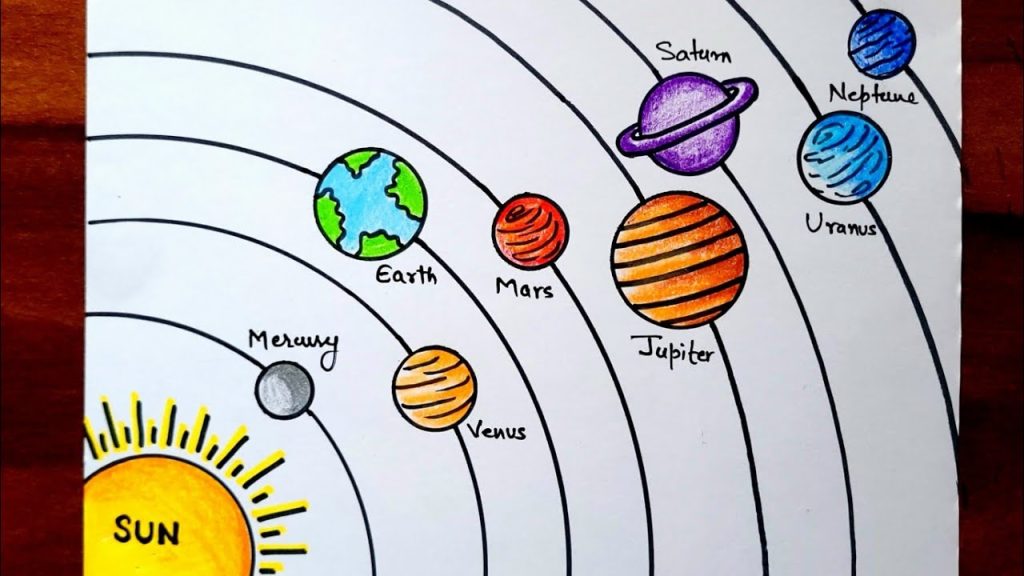
Drawing planets is an exciting way to explore creativity while learning about space. Planets come in many shapes, sizes, and textures, making them interesting and fun subjects for artists of all ages. From smooth rocky planets to giant gas planets with rings and swirling patterns, each planet offers something unique to draw. Even if you are a beginner, you can create beautiful planet drawings by starting with simple shapes and adding details step by step. This guide explains how to draw planets in an easy and clear way that works well for school projects, hobby drawing, or creative practice.
- Gather Your Drawing Materials
Before you begin, make sure you have the right materials.
- Pencil for sketching
- Eraser for corrections
- Ruler or round object for circles
- Coloring pencils, crayons, or markers
- Paper or sketchbook
Simple tools are enough to create great planet drawings.
- Draw a Perfect Circle
The basic shape of a planet is a circle.
- Lightly draw a circle in the center of the page
- Use a compass or round object if needed
- Keep the lines light and smooth
- Avoid pressing too hard with the pencil
A clean circle forms the foundation of your planet.
- Choose the Type of Planet
Different planets have different appearances.
- Rocky planets have rough surfaces
- Gas giants have smooth layers and bands
- Icy planets look pale and textured
- Ringed planets have wide circular rings
Deciding the planet type helps guide your details.
- Add Surface Details
Surface details give the planet character.
- Draw curved lines to show land or gas bands
- Add small circles or patches for craters
- Use wavy lines for clouds or storms
- Keep the details flowing around the circle
Curved details help the planet look round.
- Draw Rings (If Needed)
Some planets, like Saturn, have rings.
- Draw a thin oval around the planet
- Make sure the ring passes behind and in front
- Erase parts hidden behind the planet
- Add thickness to the ring for realism
Rings add interest and make the planet stand out.
- Add Shading for Depth
Shading makes the planet look three-dimensional.
- Choose one side as the light source
- Shade the opposite side lightly
- Blend shading smoothly toward the center
- Keep the brightest area facing the light
Soft shading creates a realistic spherical look.
- Add Texture and Patterns
Textures make planets more exciting.
- Use dots and lines for rocky surfaces
- Add swirls for gas planets
- Draw cracks for icy planets
- Keep textures subtle and balanced
Different textures help planets look unique.
- Draw Multiple Planets
You can draw more than one planet.
- Draw different-sized circles
- Space them evenly on the page
- Vary surface patterns and rings
- Overlap slightly for depth
Multiple planets create an interesting space scene.
- Add Background Elements
A space background enhances the drawing.
- Draw small dots for stars
- Add comets or asteroids
- Shade parts of the background dark
- Keep stars scattered randomly
A simple background makes planets stand out.
- Outline and Clean the Drawing
Refine your work before coloring.
- Darken final outlines carefully
- Erase unnecessary sketch lines
- Smooth uneven curves
- Check that details flow naturally
Clean lines give your drawing a neat finish.
- Color the Planets
Color brings planets to life.
- Use blues, reds, browns, or purples
- Blend colors softly where possible
- Add lighter tones for highlights
- Keep colors realistic or imaginative
You can follow real planets or create your own.
- Final Tips for Drawing Planets
Keep these tips in mind as you practice.
- Start simple and build details gradually
- Use light pencil strokes at first
- Study real planet images for inspiration
- Practice different planet designs
Also Read: How To Draw Goku Super Saiyan 3