

How To Draw Shadow

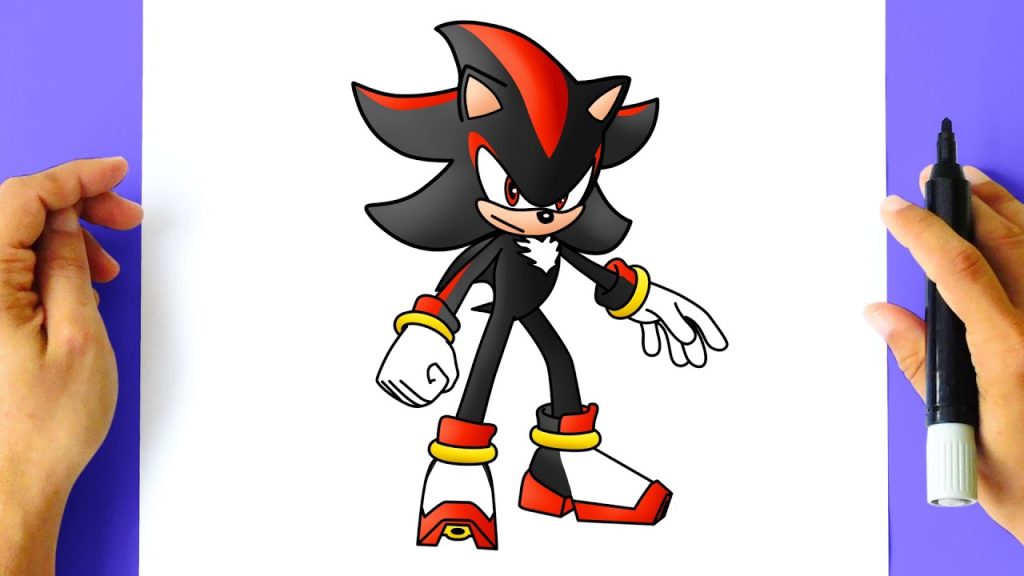
Learning how to draw shadow is an important skill that can instantly improve your drawings. Shadows help objects look solid, realistic, and three-dimensional instead of flat. Whether you are drawing simple shapes, people, animals, or landscapes, adding shadows correctly makes your artwork look more professional and believable. Many beginners avoid shading because it feels difficult, but shadow drawing becomes much easier when you understand light direction and work step by step. This guide explains how to draw shadow in a clear and easy way, suitable for beginners, students, and anyone looking to improve their drawing skills.
- Understand Light and Shadow Basics
Before drawing shadows, you need to understand how light works.
- Light always comes from a specific direction
- Shadows appear on the opposite side of the light source
- Strong light creates darker shadows
- Soft light creates lighter shadows
Knowing where the light is coming from helps you place shadows correctly.
- Choose a Light Source Direction
Decide where the light is coming from before shading.
- Imagine light coming from the left, right, above, or below
- Keep the light direction consistent
- Do not change light direction halfway through
- Visualize the shadow falling away from the light
A clear light source makes shading more realistic.
- Practice with Simple Shapes First
Start with basic shapes to understand shadow placement.
- Draw a sphere, cube, or cylinder
- Shade the side opposite the light
- Keep one side bright
- Add a gradual transition between light and dark
Simple shapes help you understand how shadows work.
- Draw the Core Shadow
The core shadow is the darkest part of the object.
- Place it on the side facing away from the light
- Keep it darker than the rest of the shading
- Blend the edges smoothly
- Avoid harsh lines unless needed
Core shadows give depth and realism to objects.
- Add Cast Shadows
Cast shadows appear on the surface beneath the object.
- Draw the shadow touching the object
- Extend it away from the light source
- Make it darker near the object
- Fade it as it moves outward
Cast shadows help ground objects on surfaces.
- Use Different Shading Techniques
Different shading styles create different effects.
- Hatching uses parallel lines
- Cross-hatching uses intersecting lines
- Blending uses smooth pencil shading
- Stippling uses small dots
Choose a technique that matches your drawing style.
- Control Pencil Pressure
Pencil pressure affects shadow quality.
- Press lightly for soft shadows
- Press harder for darker areas
- Build shadows gradually
- Avoid pressing too hard at the start
Layering light strokes gives better results.
- Create Smooth Transitions
Good shading has smooth transitions.
- Blend from dark to light slowly
- Avoid sudden changes in tone
- Use tissue or blending tools if needed
- Keep highlights clean
Smooth transitions make shadows look natural.
- Add Shadows to Real Objects
Practice shadow drawing using real objects.
- Place an object near a light source
- Observe where shadows fall
- Notice how shadows change shape
- Draw what you see, not what you assume
Observation improves accuracy and realism.
- Add Shadows to Drawings of People and Objects
Shadows enhance detailed drawings.
- Shade under the chin and nose on faces
- Add shadows under arms and legs
- Shade folds in clothing
- Add ground shadows beneath feet
Shadows help figures look grounded and lifelike.
- Avoid Common Shadow Mistakes
Be aware of common beginner mistakes.
- Using only one shade of pencil
- Ignoring the light source
- Making shadows too dark everywhere
- Outlining shadows instead of blending
Avoiding these mistakes improves your drawings quickly.
- Practice Regularly and Experiment
Improvement comes with practice.
- Draw shadows daily on simple objects
- Try different light angles
- Experiment with shading techniques
- Compare your older drawings with new ones
Consistent practice builds confidence and skill.
- Final Tips for Drawing Shadows
Keep these tips in mind as you improve.
- Start light and build darkness slowly
- Be patient with yourself
- Study photos and real-life lighting
- Focus on shapes, not outlines
Also Read: How To Draw Goku Super Saiyan 3

